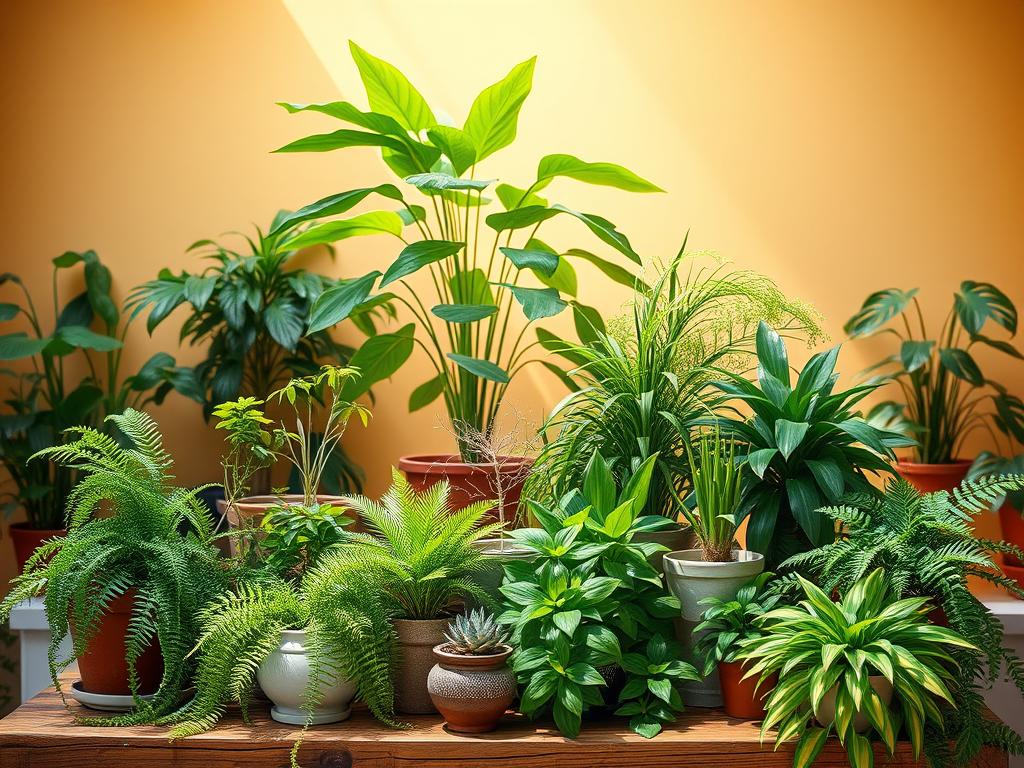
He once marveled at the first leaf poking through the soil. This small moment sparked a deep appreciation for houseplants. They bring calming energy to any room.
Many beginners feel unsure about which plant to start with. They also worry about light and water balance. A little planning and basic care knowledge can help a lot. This section will show why these steps are important. It will also explain how they help build confidence in caring for houseplants.
Understanding the Basics of Indoor Gardening
Starting out, beginners often ask about the best plants, how much light they need, and how often to water. This hobby is about growing plants inside homes, using natural or artificial light for them to thrive. Choosing strong plants helps beginners feel more confident.
What is Indoor Gardening?
Indoor gardening is about growing plants inside. Sunlight from windows helps, but lamps add extra light when it’s dark. Some grow herbs on windowsills, while others display flowers on shelves. Each way brings a touch of nature indoors.
Benefits of Growing Indoor Plants
People often feel the air is fresher and they’re calmer when they care for plants. It’s a way to reduce stress by doing something daily. Start with a tough plant like a snake plant to learn and succeed.
Growing small plants like basil or mint means you can use them in cooking right away. These benefits make you feel better and excited to grow more.
Choosing the Right Plants for Your Space
New growers often feel unsure about matching plants to their indoor environments. Sunlight, humidity, and personal schedules all play a role. The goal is to cultivate healthy indoor greenery that thrives without complicated routines.
Best Indoor Plants for Beginners
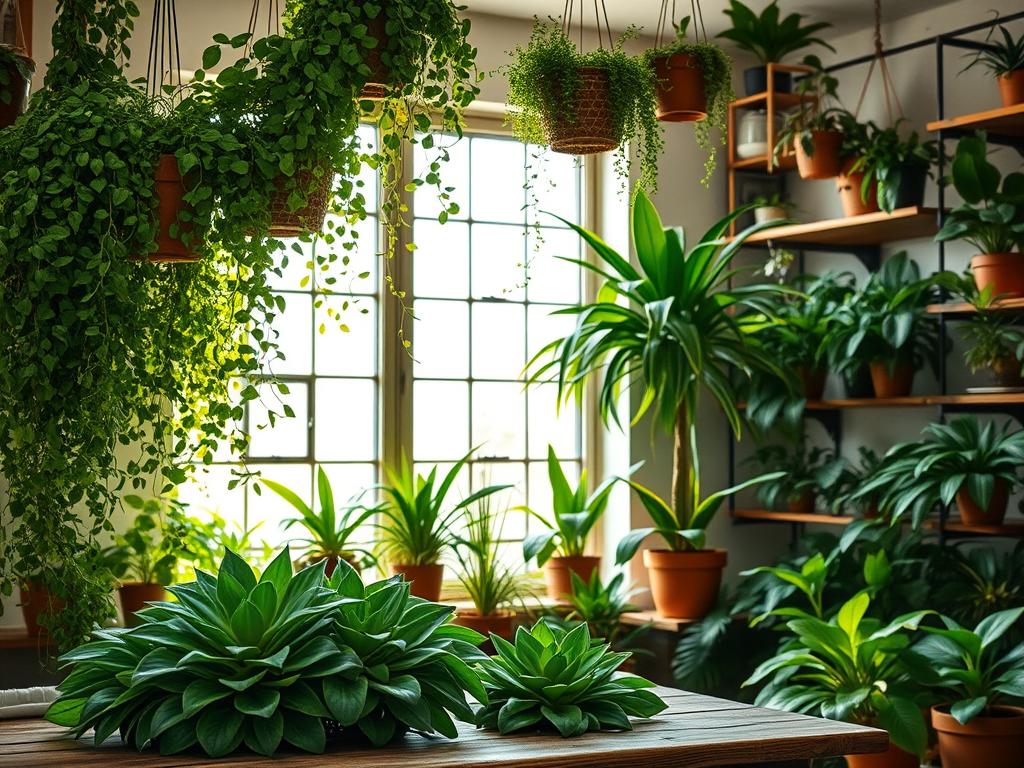
Many newcomers appreciate a low-maintenance approach. Snake plants, ZZ plants, and pothos are known for tolerating less-than-perfect conditions. They endure occasional missed waterings and adapt well to different lighting setups.
A succulent, like an aloe vera, can also be a smart choice. This is when bright, direct light is available.
Low-Light Plant Options
Some spots receive limited natural light, yet there are species built for dimmer corners. Cast iron plants and certain types of dracaena flourish in moderate shadows. They still benefit from a few hours of indirect sun.
Low-light plants do not mean no-light. A window or a lamp near these varieties keeps them looking vibrant.
Essential Tools and Supplies for Indoor Gardening
Having the right tools is key for a thriving indoor garden. Each tool has its role, from cutting off dead leaves to letting roots breathe. Even small items like a mister or gloves are crucial for keeping plants healthy and protecting your hands.
Must-Have Gardening Tools
A good watering can with a narrow spout is perfect for tight spots. Pruning shears help remove dead leaves, improving air flow. A small trowel and fork are great for mixing soil and adding fertilizer carefully.
Many gardeners also use a plant journal. It helps them keep track of their care routine and plan for the seasons.
Soil and Fertilizer Recommendations
Choose a light potting mix with perlite or vermiculite for good drainage. The Burpee Organic Premium Potting Mix is a favorite for its coconut coir and slow-release nutrients. For cacti, use a succulent mix, and regular mixes for other plants.
Using a mix of slow-release and water-soluble fertilizers keeps plants looking good all year. Also, pick sterilized mixes to avoid harmful bacteria.
Creating the Ideal Indoor Environment
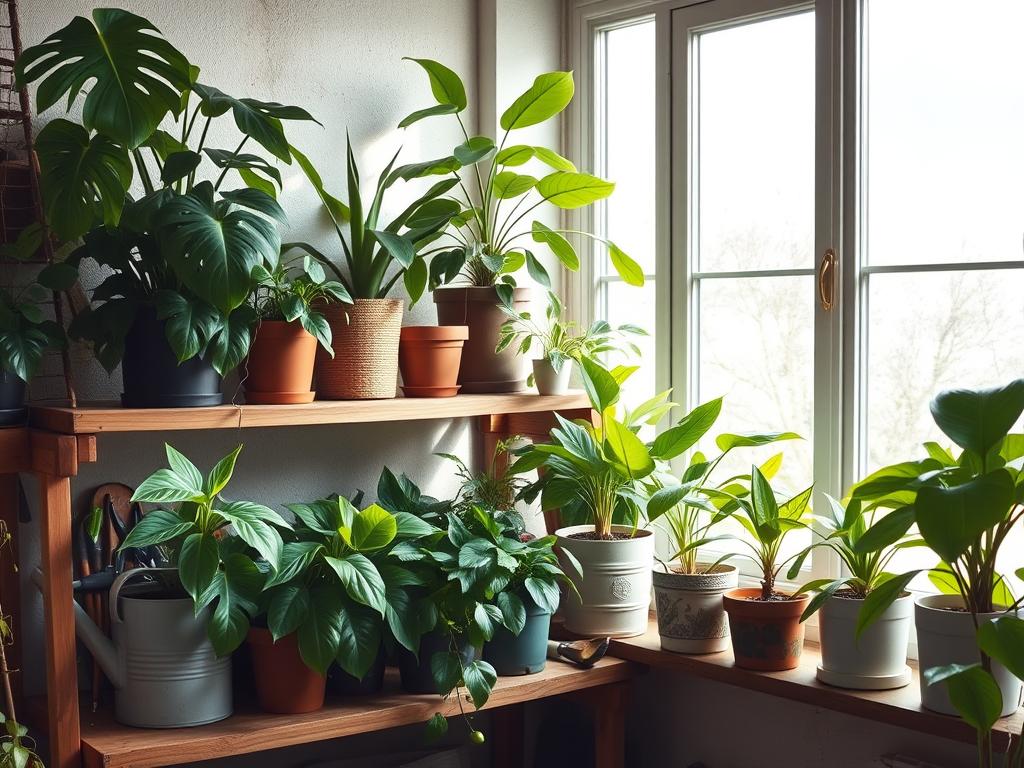
Many people love to have houseplants. They want a cozy spot for their plants. Bright places are good for fast-growing plants. Soft corners are better for delicate ones.
Choosing the right window is key. Watch for small changes in the atmosphere. This helps plants grow well.
Light Requirements for Indoor Plants
Some plants love direct sunlight. Others do well in soft light. Moving planters helps them get even light.
Grow lights help in dark spots. But, they need the right color. This makes plants happy everywhere.
Temperature and Humidity Considerations
Most plants like temperatures between 65°F and 75°F. Avoid drafts and heaters. They can stress plants.
Humidity helps plants too. Use a tray with pebbles or a humidifier. Kitchens and bathrooms are often humid. This is good for plants.
Potting and Repotting Your Indoor Plants
Knowing when and how to change plant homes is key. Plants need room to grow. If they don’t get it, they can’t get the nutrients they need.
Here are signs it’s time for a new home:
- Roots emerging from drainage holes
- Surface crowding where roots become visible
When moving plants, do it gently. Carefully remove them from their old pots. Trim any dead roots. Choose a new pot that’s only a bit bigger to avoid too much water.
When and How to Repot Plants
Spring is a good time to repot, but any season works if needed. After moving plants, put them in fresh soil like Miracle-Gro potting mix. This mix has the right nutrients. Water a little to help the roots adjust.
Choosing the Right Pots
Choose pots that let air in and keep the temperature right. Terracotta and ceramic are good for this. They help the soil dry out evenly, avoiding too much water. Plastic pots are light and cheap but hold more moisture. Make sure your pot has at least one hole for drainage to keep roots healthy.
Watering Techniques for Healthy Plants
Proper hydration is key for houseplants. Each plant needs its own care, but consistent care is crucial. Check the soil with your fingers or a moisture meter to know when to water.
Signs of Overwatering and Underwatering
Too much water can cause yellow leaves or soft stems. Not enough water might make leaves curl or drop. A quick touch test can tell if your plants need more water or a break.
Watering Frequency for Different Plants
Desert plants like cacti and succulents need less water in cold seasons. Tropical plants like consistent moisture and high humidity. New plant owners should start with a schedule but adjust as needed.
For tips on watering, visit this watering guide. A flexible watering routine helps your plants avoid problems and grow well.
Pest Management in Indoor Gardening
Indoor plants face many pests that harm leaves, roots, and stems. A good plan keeps them safe and healthy. Clean tools and check new plants to stop pests.
Regular checks help find problems early. This keeps pests away and helps plants grow strong.
Air movement is important to avoid mold. A gentle breeze and dry leaves are best. This makes plants healthier and less prone to fungal diseases.
Common Indoor Plant Pests
Spider mites suck out cell fluids. Mealybugs look like cotton on stems. Fungus gnats in wet soil can harm roots.
Each pest needs a special fix, like insecticidal soaps or careful watering. Sticky traps and rinses can also help.
Natural Remedies for Pest Control
Neem oil sprays stop pests without harming plants. A mix of water and mild soap works well. It’s safe for leaves but tough on pests.
Quarantine sick plants to stop outbreaks. Adjusting humidity helps leaves dry, making plants less attractive to pests. These tips help create a peaceful indoor garden.
Seasonal Care Tips for Indoor Plants
Each season brings changes for indoor plants. They do well in milder months but need extra care when it gets colder or darker. Making the right changes keeps them healthy.
Adjusting Care in Different Seasons
In spring and summer, plants grow fast and need more water and food. They dry out quicker in the sun, so check them often. Some people use heat mats to keep them warm when it’s cold.
Keeping the air moist is key all year. Mist plants or group them to keep the air humid. This helps them grow strong and green.
Preparing Plants for Winter
Heating systems can make the air too dry, causing leaves to fall or plants to go dormant. Move pots to brighter spots and water less. For more tips, check out this winter care guide. Also, cut back on fertilizer as plants focus on growing roots in the short days.
Expanding Your Indoor Garden
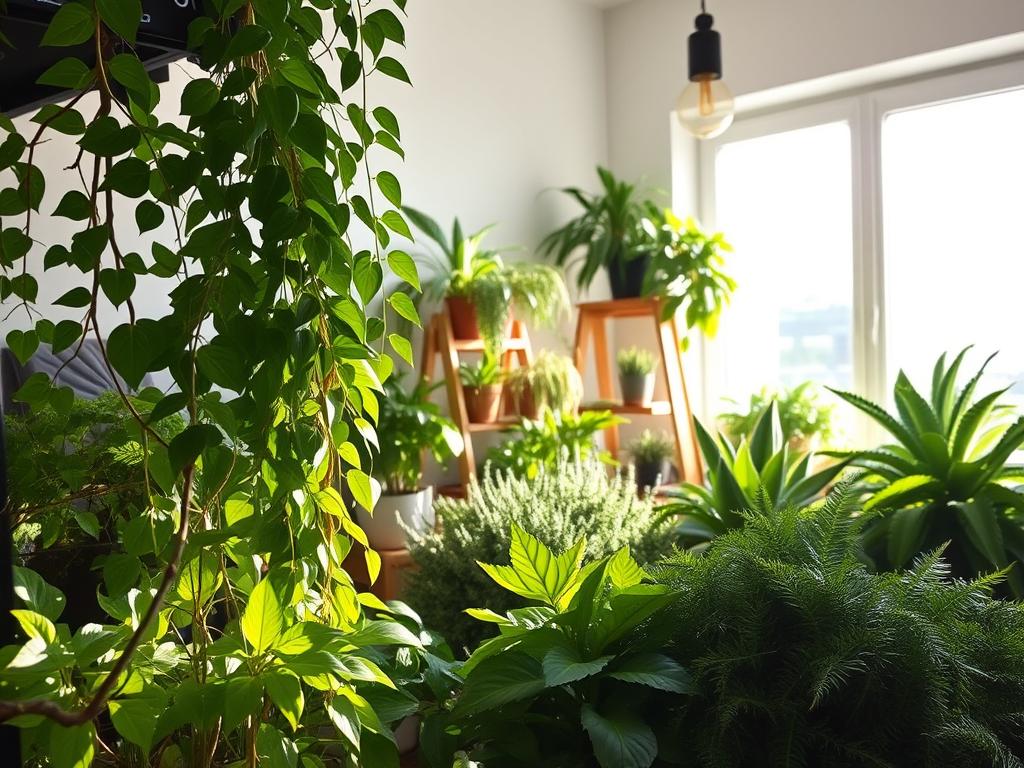
Indoor greenery makes living areas feel fresh. Many start with houseplants, but you can also grow food at home. Microgreens, lettuce, and pepper plants do well in small spaces and make meals better.
Starting a Herb Garden Indoors
Herbs like basil, mint, or parsley grow well under bright lights. Seed-starting kits help beginners grow seedlings. Some people even regrow green onions or celery from scraps.
A sturdy shelf is key for each plant to have enough room. This helps their roots grow strong.
Incorporating Edible Plants
Small fruits like cherry tomatoes grow well in tight spots. They need regular water and warmth to grow. Adjustable light fixtures on shelves help plants of all sizes.
Lettuce or spinach grow fast in shallow containers. They give you fresh leaves for salads all year.
Keeping an indoor garden alive needs careful attention. Those who treat their edible plants like houseplants enjoy tasty harvests all year.
Resources for Further Learning on Indoor Gardening
Indoor gardening is a long and exciting journey. People looking for new ideas join online groups and seek expert advice. Online forums and reliable publications are great resources.
Online Communities and Forums
Reddit’s r/IndoorGardening and the National Gardening Association’s forums are great places to connect. People from all over the United States share tips and stories. Facebook groups like Houseplant Hobbyist welcome both new and experienced gardeners.
Recommended Books and Podcasts
Books like “The House Plant Expert” by Dr. D.G. Hessayon offer in-depth plant care. Podcasts like “The Urban Farm Podcast” share tips on seed starting and watering. These resources help gardeners grow and stay inspired all year.