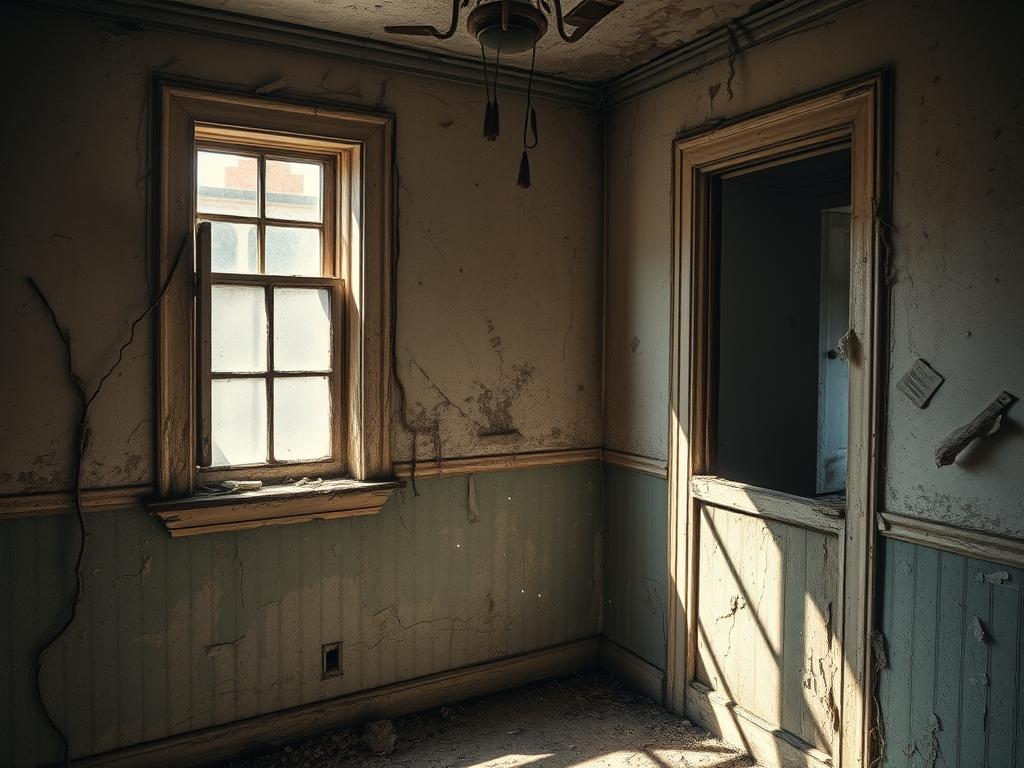
Twenty-four million homes in the United States have a hidden danger: lead-based paint. This is a huge problem. Lead paint was banned in 1978 because it’s toxic. It’s still a big risk, especially in older homes.
Lead paint was once very popular. It was used on window and door trim, and stairways. But now, it’s a big danger. The CDC says nearly 500,000 U.S. kids have too much lead in their blood.
Knowing about lead paint is very important. It can hurt kids’ brains and adults’ health. The effects of lead can last forever.
We will look into the dangers of lead paint. We will also talk about how to find and remove it safely. By learning and acting, we can make our homes safer for everyone.
Key Takeaways
- Lead paint is in about 24 million U.S. homes, mostly built before 1978.
- Children exposed to lead can have lower IQs and a higher risk of ADHD.
- Adults exposed to lead may get high blood pressure and have trouble getting pregnant.
- Professional lead removal can cut lead dust levels by up to 90%.
- Simple cleaning can cut down lead dust by about 50%.
- Lead paint dangers hurt home safety and value.
- It’s very important to know and deal with lead paint risks to make homes safer.
Understanding Lead Paint: What Homeowners Must Know
Lead paint is a big risk to home safety and can lead to lead poisoning. Homeowners need to know about its history, dangers, and rules to keep their families safe.
Definition of Lead Paint
Lead paint has lead, a harmful metal used for its strength and color. It can cause serious health problems, especially in kids.
History of Lead in Residential Paint
Lead was often in house paint until the mid-20th century. Its use changed over time:
- 87% of homes built before 1940 contain lead paint
- 69% of homes built between 1940 and 1959 have lead paint
- 24% of homes built between 1960 and 1977 contain lead paint
Regulation and Prohibition
As people learned more about lead poisoning, rules were made. The U.S. banned lead paint for homes in 1978. Yet, a 2021 survey found 31 million homes from before 1978 still have lead paint.
Homeowners of older homes need to watch out for lead dangers. Regular checks and proper care are key to avoiding lead and keeping homes safe.
Health Risks Associated with Lead Exposure
Lead exposure is very dangerous, especially for kids and adults in homes with lead paint. It’s important to know these risks to keep your family safe.
Impact on Children
Children under 6 are most at risk from lead poisoning. Even a little bit can harm their brain growth. They might feel sick, have headaches, or get easily upset.
About 500,000 U.S. kids aged 1-5 have too much lead in their blood. This is a big problem.

Effects on Adults
Adults can also get hurt by lead paint. It can cause high blood pressure, headaches, and memory loss. Some activities, like stained glass making, can increase the risk because of lead solder.
Adults might also have trouble with their fertility. This includes lower sperm count.
Long-term Consequences of Lead Poisoning
Lead poisoning can damage important organs like the brain, kidneys, and nervous system. In kids, it can lower their intelligence and cause learning problems.
It’s estimated that 1 million children suffer from lead paint poisoning. This can affect them for the rest of their lives. It’s crucial to test regularly and take safety steps to avoid these serious issues.
Identifying Lead Paint in Homes
It’s important to know about lead paint hazards in homes. About 50% of homes built before 1978 have lead paint. Homeowners need to know how to find it.
This section talks about how to spot lead paint. We’ll look at visual checks, lead testing kits, and getting a professional to check.
Visual Inspection Techniques
There are signs that show if a house has lead paint. Look for “alligatoring” – a pattern that looks like an alligator’s skin. Also, check areas that get a lot of wear, like window sills and door frames.
Unpainted spots behind appliances or in basements might have original lead paint.
Utilizing Lead Testing Kits
DIY lead test kits are cheap and fast. They cost under $10. The EPA says 3M™ LeadCheck™ and D-Lead® kits are good.
These kits might say it’s not lead when it is. But, if they say it is, it means there’s over 0.5 milligrams of lead per square centimeter.
When to Hire Professionals
Professional inspections are better for a deep check. You might want to get one if:
- Your home was built before 1978
- You’re planning to make big changes
- You have young kids
- DIY tests show lead
Certified inspectors can really tell you about lead paint risks. They can also tell you how to safely remove it. Their help makes sure your home is safe for your family.
Legal Obligations for Home Sellers and Landlords
The rules about lead paint have changed a lot lately. The CDC now says more kids are poisoned by lead. This shows how important it is for homes to be safe and follow the law.
Disclosure Requirements
Law says sellers and landlords of old homes must give out a special pamphlet. It’s about lead paint hazards. They must tell buyers or renters if they know about lead paint, where it is, and what shape it’s in. This helps people make smart choices and stay safe.
Responsibilities for Remediation
Owners don’t always have to get rid of lead paint. But they must keep it in good shape. If there’s a lead problem, they need to fix it. This might mean covering it up, taking it out, or replacing it. The aim is to keep people safe from lead.
Implications of Non-compliance
Not following the rules can lead to big problems. People might have to pay triple the damages in court. They could also face fines and even jail time. With so many kids affected by lead, following the law is very important. It’s not just a rule; it’s a way to keep everyone healthy.
Safe Methods for Lead Paint Removal
Removing lead paint is key to making homes safe. It needs careful planning to protect everyone involved.
Professional vs. DIY Removal
DIY might save money, but pros are safer and do a better job. They have the right tools and know-how to avoid spreading lead dust.
Recommended Safety Gear
Wearing the right gear is crucial for safety. This includes:
- Lead-rated respirator mask with HEPA filter
- Rubber gloves
- Protective goggles
- Disposable clothing
Effective Removal Strategies
Safe ways to remove lead paint include:
- Wet hand scraping with liquid paint removers
- Wire brushing
- Wet sanding with HEPA-filtered electric sanders
- Low-temperature heat guns with hand scraping
These methods make less dust than dry ones. Containment is also key. Use thick plastic sheeting to cover work areas.
After removing lead paint, clean everything with a HEPA vacuum and wet-mop. Dispose of lead waste properly to keep homes and the environment safe.
Remediation Techniques for Lead Contamination
Lead contamination is a big risk for home safety. It’s important to fix it to avoid poisoning. There are two main ways to do this: encapsulation and removal.
Encapsulation vs. Removal
Encapsulation means putting a special coat on lead paint. It’s cheaper but might not last long. Removal is more effective but costs a lot, from $10,000 to $30,000. The choice depends on the situation and how much you can spend.
Cleaning Up Lead Dust
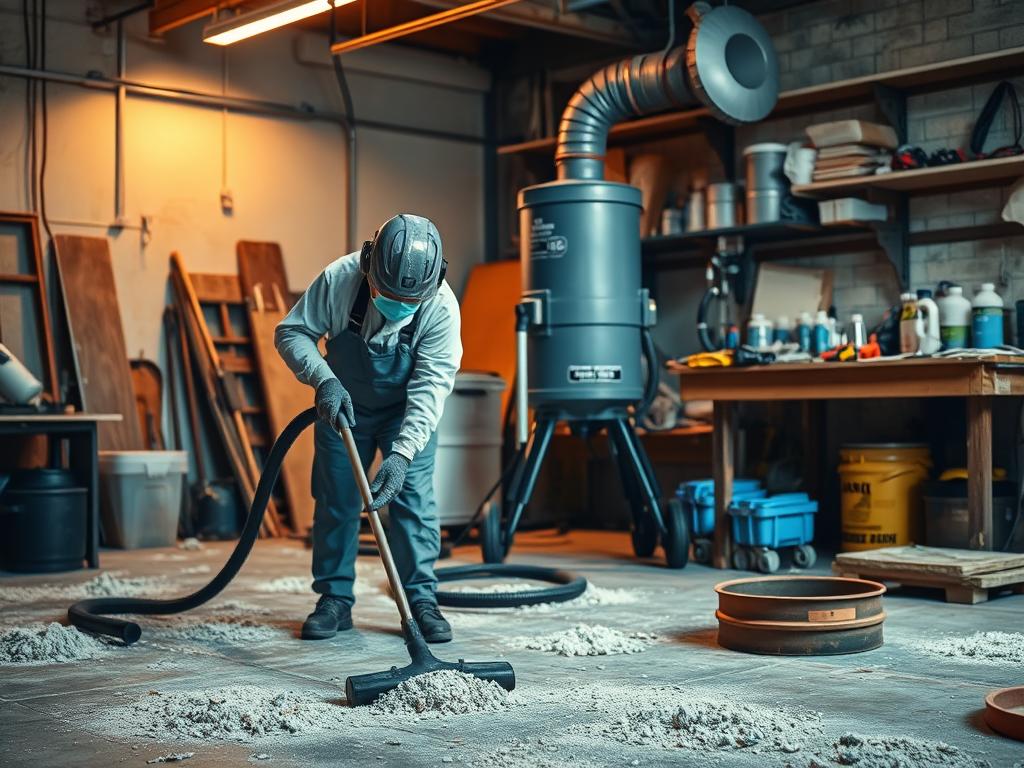
Cleaning up after fixing lead is very important. Use HEPA vacuums and wet cleaning. Keeping your home clean is key to staying safe. Remember, there’s no safe level of lead in the blood, so always be careful.
Safe Disposal of Lead Waste
Disposing of lead waste safely is crucial. Put lead waste in heavy-duty bags. Make sure they are clearly labeled as hazardous. Always follow local rules for throwing it away. Never mix lead waste with regular trash.
Fixing lead contamination usually takes 1 to 3 days. The cost depends on the house’s condition. A Lead Clearance test must show the house is safe. If it fails, more work is needed.
Remember, homes built before 1978 might have lead. Testing and upkeep are key for safety. Learning about these methods helps keep families safe from lead poisoning.
Preventive Measures for Homeowners
Keeping your family safe from lead paint is very important. If your home was built before 1978, it might have lead paint. This guide will help you take steps to keep your home safe.
Regular Maintenance Practices
Make sure painted areas are in good shape. This stops paint from chipping or peeling. Use special cleaners for wet mopping and get a vacuum with a HEPA filter.
Safe Renovation Guidelines
When fixing up older homes, use safe practices. Cover areas with plastic and wear protective gear. Clean up well with wet methods after work.
Importance of Lead Testing in Renovated Homes
After fixing up homes built before 1978, test for lead. Get a certified inspector to check. This makes sure your work didn’t make things worse. By law, sellers must tell about lead paint before selling.
- Test children under 6 for lead levels regularly
- Keep children away from peeling paint
- Wash children’s hands often, especially before meals
- Clean toys regularly to remove potential lead dust
By following these steps, you can make your home safer. This protects your family from lead paint dangers. Even a little lead can harm young children.
Resources for Homeowners Concerned About Lead Paint
Lead poisoning is a big risk in old homes, especially those built before 1978. Homeowners can find many resources to deal with lead paint. These help keep their families safe.
Government Agencies and Programs
The U.S. Environmental Protection Agency (EPA) and Department of Housing and Urban Development (HUD) have lots of info. They tell you how to safely remove lead. They also offer grants for homes that need lead hazard control.
Local Housing Resources
Cities and counties have their own lead prevention programs. For example, Lead Free Homes LA helps pre-1951 homes. They offer free services to eligible people. Check with your local health department for similar programs.
Community Workshops and Support
Look for community workshops on lead safety. These events give:
- Free lead testing kits
- Info on safe renovation practices
- Help on finding EPA-certified lead removal pros
- Support for families with lead exposure
No safe blood lead level exists, especially for kids under 6. If you think your home has lead, act fast. Use these resources to keep your family safe from lead poisoning. Make sure your home is a healthy place for everyone.
Frequently Asked Questions About Lead Paint
Lead paint hazards are a big worry for many homeowners. This section answers common questions and clears up myths about lead paint. It helps you understand the risks and keep your family safe from lead poisoning.
Common Myths Debunked
Many think all old paint has lead or that it’s only dangerous if eaten. But, lead-based paint isn’t a health risk unless it’s peeling or being sanded. You can get exposed by eating it, and more exposure means worse symptoms.
Key Facts to Understand
- Homes built before 1978 likely have lead-based paint.
- The U.S. EPA’s Renovation, Repair and Painting rule makes contractors use safe practices in pre-1978 homes.
- Lead paint can have lead levels over 100,000 ppm, but can also be as low as 90 ppm.
Guidance for Concerned Parents
To keep kids safe from lead:
- Keep floors, window sills, and other surfaces clean.
- Wash kids’ hands, bottles, pacifiers, and toys often.
- Use cold water for drinking and cooking.
- Hire a certified pro for renovations in older homes.
Lead poisoning is preventable. By knowing about lead paint hazards and taking the right steps, you can keep your family safe at home.
The Role of Home Inspections in Lead Safety
Home inspections are very important for finding lead paint dangers. They are especially crucial for homes built before 1978. The EPA says about 35% of U.S. homes have lead-based paint, with older homes at greater risk.
Importance of Comprehensive Inspections
Thorough lead inspections help keep families safe. They find dangers and tell homeowners what to do next. Professional lead inspections are very important for homes with young kids or families expecting a baby.
Choosing a Qualified Inspector
Finding the right inspector is key. Look for EPA-certified pros with lead detection experience. They use special tools to find lead paint and give detailed reports on risks.
Following Up on Inspection Findings
Act on what the inspection finds. If lead is found, make a plan to fix it. This might include removing paint, covering it, or other safety steps. Remember, handling lead paint safely is very important.
- Regularly inspect older homes for lead paint
- Hire certified professionals for testing
- Follow up on inspection results promptly
- Take action to ensure a lead-safe environment
By focusing on lead paint inspections, homeowners can greatly lower health risks. Stay informed and take action to keep your family and home safe.
Future of Lead Paint Regulation in the United States
The United States is working hard to fight lead poisoning and make homes safer. New rules aim to lower lead exposure for up to 1.2 million people each year. This is important because about 31 million old houses have lead paint, and 3.8 million of these homes have kids under six.
Ongoing Legislative Efforts
President Biden got $15 billion for lead pipe replacements through the Bipartisan Infrastructure Law. The EPA plans to spend over $18 billion on this across all states. Cities like Milwaukee, Detroit, and Pittsburgh hope to replace all lead pipes in ten years.
These efforts could help 900,000 babies avoid low birth weight each year. They also aim to save 1,100 adults from heart disease early deaths.
Innovations in Lead Paint Safety
The EPA did about 1,400 checks for lead-based paint in 2024. They did this in over 190 communities. The Department of Housing and Urban Development gave over $420 million for lead removal in homes.
New tech and methods for finding and removing lead are being made. They focus on being safe and efficient.
The Role of Public Awareness Campaigns
Public awareness is key in the fight against lead poisoning. The government is giving $26 million to help reduce lead in schools and childcare. These efforts, along with research and policy updates, are making homes safer for families.
FAQ
Q: What is lead paint and why is it dangerous?
A: Lead paint has lead, a toxic metal. It’s harmful because it can cause serious health issues. This is especially true for kids, who might have problems with thinking, behavior, and growing.
In adults, it can harm the heart, brain, and kidneys.
Q: How can I tell if my home has lead paint?
A: Look for lead paint by checking for certain patterns and in high-wear areas. You can also use lead testing kits or get a certified inspector. Homes built before 1978 are more likely to have it.
Q: What should I do if I find lead paint in my home?
A: If you find lead paint, don’t worry. Keep it in good shape to avoid chipping. You might want to cover or remove it with a pro’s help.
Always clean safely to avoid dust. Talk to a lead expert for the best plan.
Q: Can I remove lead paint myself?
A: DIY removal is risky. It’s safer to hire a pro. If you do it yourself, wear safety gear and follow the right steps. Make sure to dispose of waste properly.
Q: What are the legal requirements for disclosing lead paint when selling a home?
A: Sellers of old homes must tell buyers about lead paint. They must give reports and a pamphlet from the EPA. Not doing so can lead to legal trouble and fines.
Q: How can I protect my children from lead paint exposure?
A: Keep painted areas in good shape and clean often. Wash hands and toys well. Feed them foods rich in iron, calcium, and vitamin C. If you think there’s lead, get it tested and removed.
Q: Are there any government programs to help with lead paint removal?
A: Yes, there are programs to help with lead removal. Contact your local housing agency, state health department, or HUD for help. They offer grants, loans, and more.
Q: How often should I have my home inspected for lead paint?
A: If your home is old and hasn’t been tested, get a full inspection. After that, check it regularly. Test again after big changes.
Q: Can lead paint be safely encapsulated instead of removed?
A: Yes, encapsulation is an option. It seals the paint with a special coating. It’s cheaper than removal but needs ongoing checks. Talk to a pro to see if it’s right for you.
Q: What are the symptoms of lead poisoning?
A: Lead poisoning symptoms vary. Kids might have delays, learning issues, and mood changes. Adults might feel heart problems, muscle pain, and memory issues.
Source Links
- https://ledizolv.com/the-hidden-dangers-of-breathing-in-lead-paint-dust/ – The Hidden Dangers of Breathing in Lead Paint Dust
- https://jkpaint.com/why-lead-paint-should-be-removed-from-your-home/ – Blog – Why Lead Paint Should Be Removed From Your Home – JK Paint & Contracting | Residential & Commercial Painters | Newberg, OR
- https://www.homegauge.com/learning/home-inspectors-lead-paint/ – Crucial Knowledge for Home Inspectors: Understanding Lead Paint Hazards
- https://www.aarp.org/home-family/your-home/info-2024/identify-lead-paint.html – How to Identify Lead Paint in Your Home
- https://www.mayoclinic.org/diseases-conditions/lead-poisoning/symptoms-causes/syc-20354717 – Lead poisoning: Spot symptoms and limit exposure-Lead poisoning – Symptoms & causes – Mayo Clinic
- https://www.epa.gov/sites/default/files/documents/bldg-mgr-brochure.pdf – EPA trifold brochure: The Truth about Lead Paint Poisoning
- http://www.hud.gov/program_offices/healthy_homes/healthyhomes/lead – About Lead-based Paint | HUD.gov / U.S. Department of Housing and Urban Development (HUD)
- https://greenorchardgroup.com/how-to-identify-lead-paint-in-your-home-the-5-steps/ – How to Identify Lead Paint in Your Home: 5 Steps
- https://jkpaint.com/how-to-tell-if-your-homes-paint-contains-lead/ – Blog – How To Tell if Your Home’s Paint Contains Lead
- https://www.rileyersoff.com/how-can-i-tell-if-my-home-has-lead-based-paint/ – How Can I Tell If My Home Has Lead-Based Paint?
- https://learn.eforms.com/real-estate/lead-paint-obligations-for-home-sellers-and-landlords/ – Lead Paint Obligations for Home Sellers and Landlords – eForms Learn
- https://www.hud.gov/sites/dfiles/HH/documents/Lead_Based_Paint_Disclosure_Rule_FactSheet.pdf – Lead-Based Paint Disclosure Rule Fact Sheet
- https://paintingpros.com/7-tips-for-removing-lead-paint/ – 7 Tips for Removing Lead Paint – The Painting Pros
- https://www.houselogic.com/remodel/painting-lighting/lead-paint-removal/ – Lead Paint Removal: How To, Options, and Costs
- https://www.cortlandcountyny.gov/DocumentCenter/View/2575/What-Home-Owners-Need-to-Know-About-Removing-Lead-Based-Paint-PDF – What Home Owners Need to Know About Removing Lead-Based Paint
- https://leadsafecle.org/property-owners/remediation-clearance – Remediation & Clearance
- http://bio.sites.mtu.edu/lead-remediation/ – Phase III – Demonstration Study
- https://coreenviro.com/lead-paint-in-homes-signs-and-safe-removal-practices/ – Lead Paint in Homes: Signs and Safe Removal Practices – Core Environmental Solutions
- https://www.epa.gov/sites/default/files/2014-02/documents/lead_in_your_home_brochure_land_b_w_508_easy_print_0.pdf – Protect Your Family From Lead in Your Home
- https://www.minneapolismn.gov/resident-services/property-housing/healthy-homes/lead/ – Lead-paint
- https://www.mcclurgteam.com/blog/bid/39647/answers-to-6-common-homeowner-questions-about-epa-s-new-lead-paint-safety-rule – 6 Common Homeowner Questions About EPA’s New Lead Paint Safety Rule
- https://www.leadfreehomesla.com/whatyoushouldknow.html – Lead Free Homes LA
- http://www.hud.gov/program_offices/healthy_homes/leadinfo – Lead Information | HUD.gov / U.S. Department of Housing and Urban Development (HUD)
- https://odh.ohio.gov/wps/wcm/connect/gov/5d7d4cde-6fbd-4ea3-a5b2-8421fe4c2084/Frequently Asked Questions 12.05.18 Revised.pdf?MOD=AJPERES&CONVERT_TO=url&CACHEID=ROOTWORKSPACE.Z18_K9I401S01H7F40QBNJU3SO1F56-5d7d4cde-6fbd-4ea3-a5b2-8421fe4c2084-mu5dAz1 – PDF
- https://www.unep.org/explore-topics/chemicals-waste/what-we-do/emerging-issues/global-alliance-eliminate-lead-paint/faq – FAQ – Questions and Answers about Lead Paint and Lead Paint Laws
- https://www.nachi.org/monitor-lead-safety.htm – InterNACHI and the EPA Team Up to Monitor Lead Safety
- https://www.alpinebuildingperformance.com/lead-based-paint-inspection – Lead-Based Paint Inspection, Lead Testing – Alpine Building Performance, LLC | Home Inspection Services | Denver Metro, Boulder, Colorado
- https://www.brickkicker.com/risk-assessment-what-makes-it-so-important-to-test-for-lead-based-paint/ – The Importance of Lead-Based Paint Test | The BrickKicker
- https://www.presidency.ucsb.edu/documents/fact-sheet-biden-harris-administration-strengthens-standards-protect-millions-from – FACT SHEET: Biden-Harris Administration Strengthens Standards to Protect Millions from Exposure to Lead Paint Dust, Announces New Actions to Address Toxic Lead Exposure
- https://frankellawfirm.com/understanding-the-evolution-and-impact-of-lead-based-paint-regulations-in-the-united-states/ – Understanding the Evolution and Impact of Lead-Based Paint Regulations in the United States | Frankel Law Firm