Starting a journey to Net Zero Energy (NZE) in commercial buildings is thrilling. It’s for those who love sustainable building practices and green construction. NZE buildings make as much energy as they use in a year. This balance helps cut down on carbon emissions and makes the environment healthier.
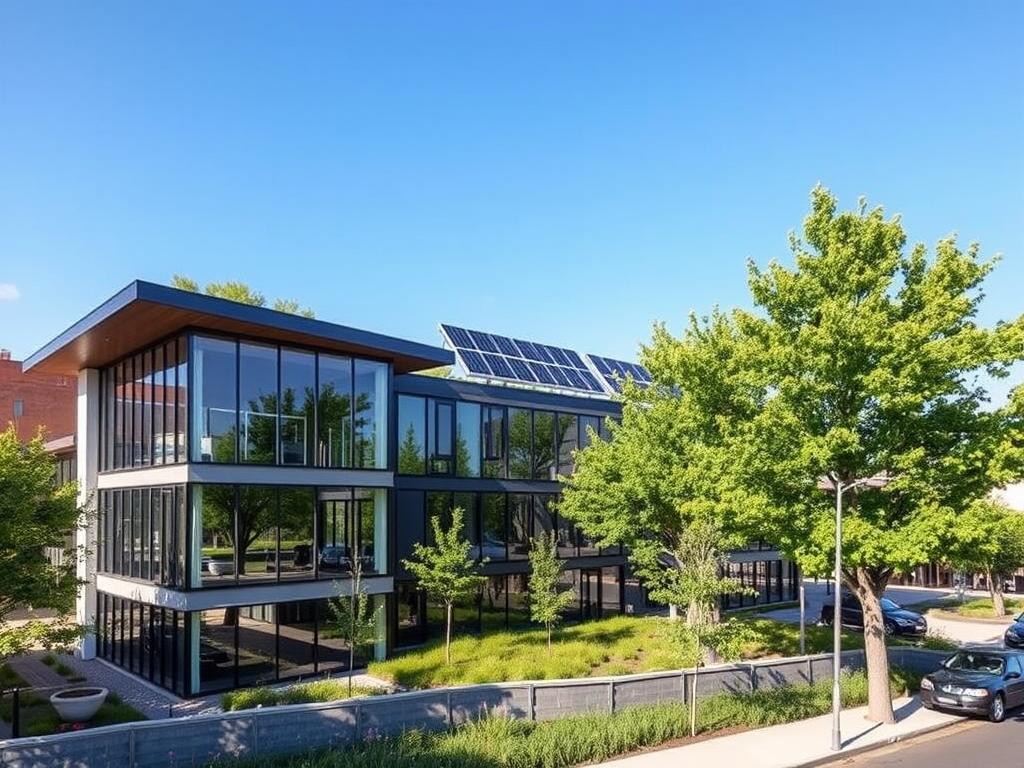
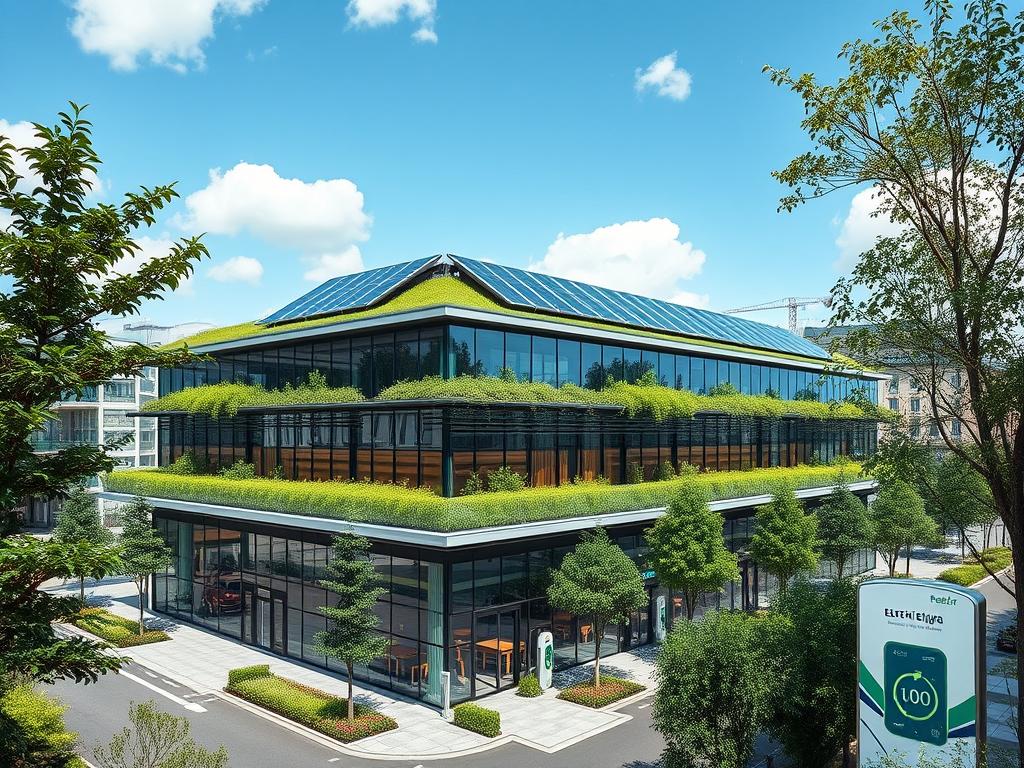
Exploring Net Zero Energy, I found that sustainable design is key. Using high-performance insulation, efficient lights, and smart HVAC systems cuts down energy use. Plus, solar panels help by making green power to use instead of buying.
Looking into this further, it’s clear that many must work together. Architects, engineers, and others need to team up to meet NZE standards. From the National Renewable Energy Laboratory’s office to Stronghold Engineering’s green projects, success is possible. Let’s learn how to achieve this amazing goal together.
Understanding Net Zero Energy Concepts
In today’s world, knowing about net zero energy is key for those into green design and saving energy. Net Zero Energy means buildings make as much energy as they use in a year. This helps with the big energy use of commercial buildings, which use about 19% of all energy in the U.S.
What is Net Zero Energy?
Net Zero Energy has different ways to measure it, like Net Zero Site Energy and Net Zero Source Energy. Only a few buildings reach these goals. It’s cool that solar panels, wind turbines, and other on-site green tech help buildings go net zero. Using green energy from elsewhere, like Renewable Energy Credits (RECs), also helps.
Importance of Net Zero Energy
Getting to net zero energy is crucial for fighting climate change. The Department of Energy wants more homes and buildings to be net zero by 2020 and 2025. States like California and Oregon are working hard to make buildings more energy-efficient and green.
Key Principles of Sustainable Design
The main ideas of sustainable design are to use less energy. This means using efficient materials, adding green energy sources, and designing buildings to save energy. These steps not only cut down energy use but also save money in the long run. It’s a big step towards helping our planet and future generations.
The Benefits of Achieving Net Zero Energy
Exploring net zero energy in commercial buildings shows big wins. We see economic gains, environmental benefits, and better building performance. These benefits help fight climate change and make communities healthier.
Economic Advantages
Net zero energy designs save money. Building owners cut down on utility bills, saving a lot over time. This is especially helpful when energy prices go up.
Such projects can also boost property values. People want to buy sustainable buildings.
Environmental Impact
Net zero energy buildings are good for the planet. They cut down carbon emissions, meeting global goals. This helps fight climate change.
These efforts also make businesses look good. They attract customers who care about the environment.
Enhanced Building Performance
Net zero energy buildings perform better. They make people happier with natural light, clean air, and comfy temperatures. These buildings also last longer in changing weather.
The Role of Sustainable Materials
Creating net-zero energy buildings is a big goal. Choosing sustainable materials is key. These materials help reduce the environmental impact of building.
They are made from renewable resources. These resources help lower global CO2 emissions. They also support a sustainable economy.
Choosing Renewable Resources
I look for materials like bamboo, recycled metals, and reclaimed wood. These renewable resources are durable. They also use less virgin materials, which are often more expensive and harmful to the environment.
Using a circular economy approach helps reduce waste. It also makes resources more efficient.
Life Cycle Assessment of Materials
Before making a decision, I do a Life Cycle Assessment (LCA). This looks at a material’s environmental impact from start to finish. It helps me choose materials that are good for the planet.
Certifications and Standards
I aim to get environmental certifications like LEED or BREEAM. These show my projects meet high sustainability standards. They also make sure I follow strict performance rules.
As rules get stricter and people want more responsible building, these certifications are crucial. They prove my commitment to sustainability.
Energy Efficient Design Strategies
In my journey toward achieving net-zero energy in commercial buildings, I’ve learned a lot. Energy-efficient design strategies are key. They help lower energy use and make buildings better for people and the planet. Let’s look at some ways to cut down energy use and use more renewable energy.
Passive Design Techniques
Passive design uses nature to save energy. It doesn’t need much energy for heating and cooling. It uses sunlight and wind to help.
- Maximizing natural light through strategic window placement
- Using thermal mass to stabilize indoor temperatures
- Incorporating solar shading to reduce heat gain during hot months
These methods make buildings comfortable and use less energy.
Incorporating Renewable Energy Sources
Renewable energy is vital for net-zero energy goals. Solar panels and wind turbines help buildings make their own energy. This is good for the planet and saves money in the long run.
The NEXT: Lab Building of the Future shows how well this works. It uses 30% less energy than usual buildings.
Smart Building Technologies
Smart building tech makes energy management better. It lets us watch and control energy use in real time. This makes buildings work better.
- Automated lighting systems that adjust based on occupancy
- Smart thermostats that learn and adapt to occupancy patterns
- Integration of energy management systems that provide data insights
More buildings are using these techs. This is making energy use better and buildings more efficient.
Planning and Design Phase Considerations
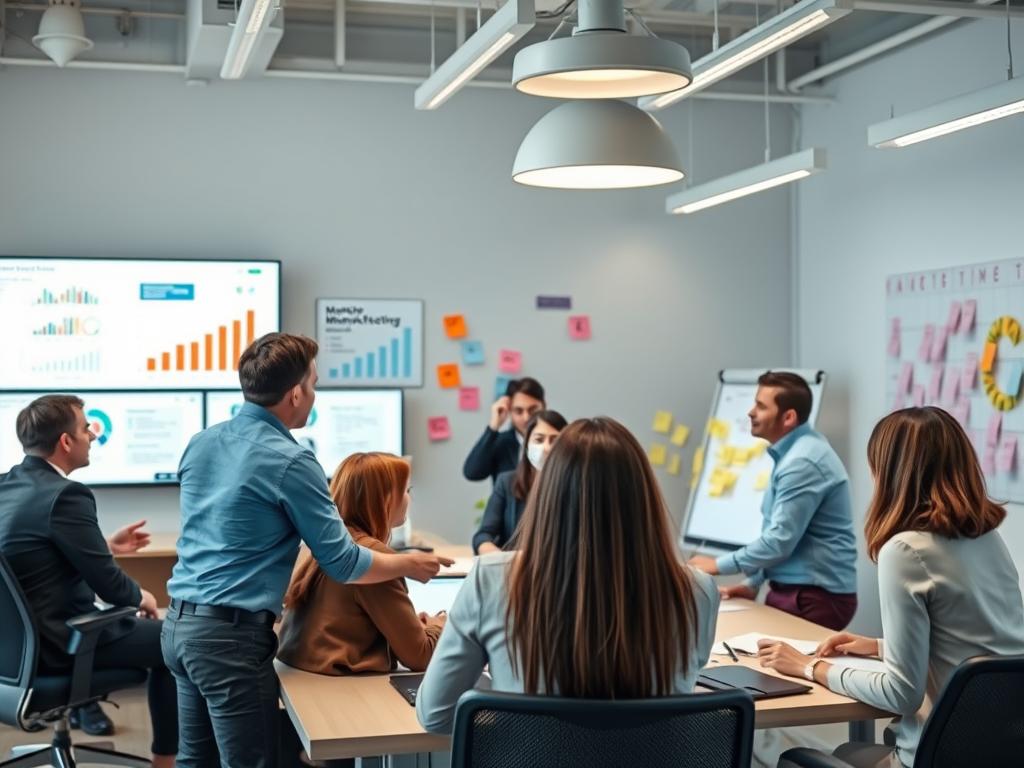
On my path to Net Zero Energy (NZE), I’ve found that planning is key. Setting clear goals is the first step. It helps guide the whole project.
Keeping everyone involved early on is important. It makes sure everyone’s voice is heard. This leads to better results.
Feedback is crucial for design improvement. It helps the team make changes and get better over time.
Setting Clear Net Zero Goals
Clear goals are vital for the project. They should be specific, measurable, and achievable. This gives a clear path to follow.
Think about energy use and building performance when setting goals. It helps keep the focus on being efficient and green.
Engaging Stakeholders Early
Getting everyone involved early is important. It brings people together and makes things clear. Architects, builders, and users can share their thoughts early.
This helps make sure everyone is on the same page. It’s key for a successful net zero project.
Integrating Feedback Loops
Feedback is essential for making changes. Regular checks help improve the design based on real results. It’s a chance to make things better.
Using feedback loops boosts teamwork. It helps solve problems quickly. This leads to a better project outcome.
Energy Modeling and Simulation Tools
Energy modeling and building performance simulation are key in making commercial buildings energy-efficient. I use advanced tools to optimize energy use before a building is built. This helps make decisions that support net zero energy goals.
Importance of Accurate Modeling
Getting energy modeling right is crucial for predicting a building’s energy use. I use tools like EnergyPlus and the Modelica Buildings library for this. They help me create detailed models for low-energy systems in new and old buildings.
This planning reduces energy costs and environmental harm.
Software Options for Analysis
There are many software options for energy modeling analysis. EnergyPlus is key for simulating a building’s energy use. The Building Controls Virtual Test Bed lets me test building automation systems.
Tools like GenOpt and Commercial Building Energy Saver (CBES) also help with energy efficiency.
Interpreting Modeling Results
Understanding energy simulation results is essential for good design choices. Tools like EnergyPlustoFMU help me integrate building models with HVAC systems. This shows how to save energy and meet energy codes.
It leads to sustainable designs that cut down on greenhouse gas emissions. Using data insights, I improve commercial building performance.
Implementing Energy Management Systems
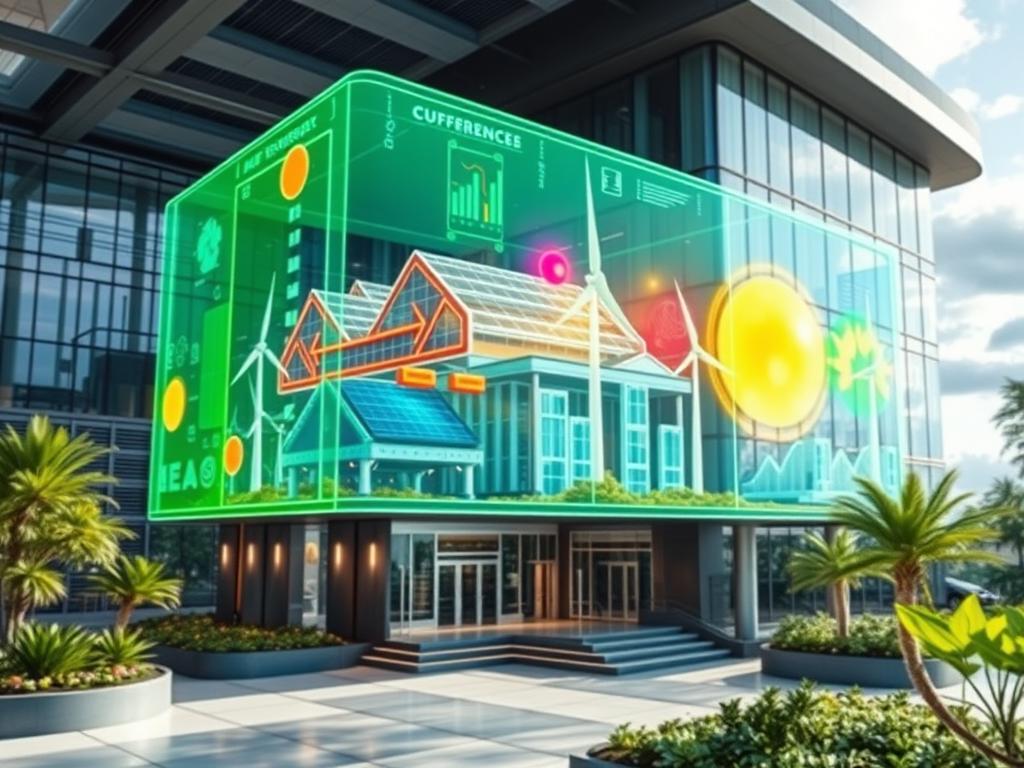
Energy Management Systems (EMS) are key for energy efficiency in commercial buildings. They help monitor and manage energy use. This makes buildings run better and cuts down on carbon emissions.
Overview of Energy Management Systems
An EMS includes real-time tracking, software, and hardware. It helps businesses see how much energy they use. This lets them find ways to use less and work better.
An integrated team can also help manage energy demand. This teamwork makes buildings perform better.
Real-time Monitoring Capabilities
Real-time tracking shows how energy is used. Businesses can see changes in energy use right away. This lets them make quick changes to save energy.
By looking at energy data all the time, companies can use less energy. This helps the planet.
Data-Driven Decision Making
Using data to manage energy leads to better choices. An EMS lets businesses look at trends and make plans. This cycle helps them keep getting better at using energy.
These choices also help businesses follow rules and improve their image. They save money in the long run. So, EMS is a smart choice for going green.
The Impact of Location and Climate
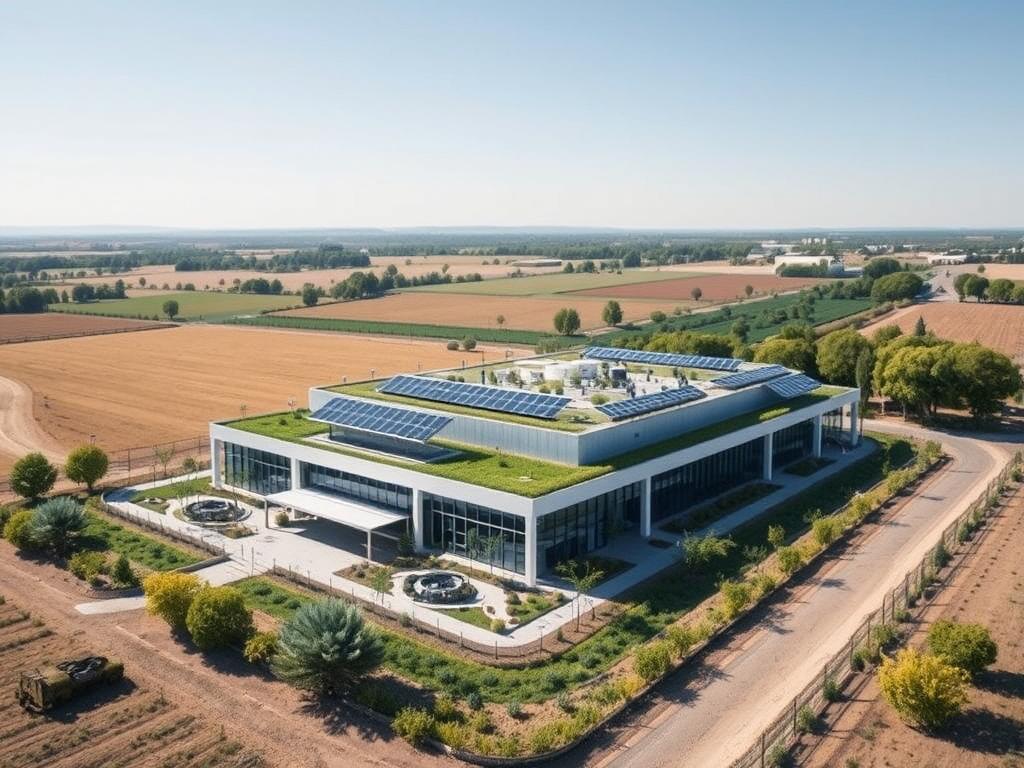
The success of net zero energy projects depends a lot on where they are built. Knowing how to pick the right location is crucial. By looking at the area’s geography, climate, and resources, we can design buildings that use less energy.
Site Selection Considerations
When picking a site for net zero, I look at a few key things:
- Accessibility to solar and wind energy.
- Topography that helps with drainage and cuts down on earthworks.
- Proximity to public transport and services to reduce energy use.
Climate-Responsive Design
Designing buildings that fit the local climate is very important. I focus on:
- Orientation to get more natural light and less heat loss.
- Insulation that matches the local climate.
- Landscaping that saves water and boosts energy efficiency.
Regional Resources and Strategies
Using local energy sources and strategies is key to net zero success. I suggest:
- Utilization of local wind and solar power.
- Collaboration with local groups for energy projects.
- Integration of energy-saving methods that fit the region’s needs.
Government Policies and Incentives
Government efforts are key in pushing for net zero energy in the U.S. They offer programs, incentives, and rules to help reach green goals. These efforts span from the federal to local levels, easing the cost of green tech and energy saving.
Federal Support Programs
The federal government has many programs to boost sustainability. The Greening Government Initiative helps improve operations through global partnerships. They aim to use only zero-emission vehicles by 2027 and 2035 for bigger ones.
They also want all federal buildings to be net-zero by 2045. This is a big step towards being more eco-friendly.
State and Local Initiatives
States and local areas also push for net zero. They set strict building codes and standards for appliances. This makes sure new buildings use less energy.
Local rules affect how buildings are built and used. This leads to creative solutions that fit each area’s needs.
Tax Credits and Financial Incentives
Tax credits help lower the cost of making buildings more energy-efficient. There are grants and loans to help with energy-saving projects. These programs make it easier to follow the Energy Act rules.
They encourage investing in green tech. This helps manage energy better and keeps improving over time.
Case Studies of Successful Net Zero Projects
Looking at real net zero energy (NZE) projects shows us a lot. They prove that green designs in building are key. These examples show how these buildings save money and help the planet.
Example 1: Innovative Commercial Spaces
435 Indio Way in California is a great example. It uses 265,000 kWh of energy but makes 300,000 kWh from the sun. This makes its energy use index -15.2. It saves $25,000 a year because of this.
The Adlai E. Stevenson High School’s East Building Addition also shines. It made 534 MWh from solar power in its first year. These buildings show how smart energy use and green design save money and work well.
Example 2: Community-Focused Developments
The Jhansi Library in India is the country’s first net-zero library. It uses its own solar power. This shows how NZE works for public buildings.
In the U.S., the zHome project is a ten-unit townhouse that’s net-zero. It shows community projects can be green without losing comfort. These examples show NZE works for all kinds of buildings.
Lessons Learned from Real Projects
These examples teach us a lot about green building. We learn:
- Renewable energy is key in building designs.
- Getting everyone involved early makes things better.
- Designing for future rules saves money later.
Places like the NREL Research Support Facility show how to solve problems. Buildings that go net zero lease up faster and cost less to run. These stories encourage more green building. For more info, check out the case studies.
Maintaining Net Zero Energy After Completion
Getting to net zero energy (NZE) is a big win. But, keeping it up needs ongoing care. Regular checks and upkeep for net zero systems keep everything working well. This keeps efficiency and effectiveness high.
Being proactive helps use energy better. It also tackles emissions that could lower performance over time.
Importance of Regular Maintenance
For a building to stay NZE, regular maintenance is key. Regular checks and fixes help spot problems early. This keeps the building running smoothly.
It also helps follow energy rules and makes the building last longer. This supports the building’s green goals.
Continuous Monitoring Strategies
Using advanced tools is vital for keeping NZE. Smart tech lets us track energy use in real-time. This means we can adjust quickly to changes.
For example, we can use energy data to make smart choices. This keeps the building running efficiently. It also helps meet bigger green goals.
Strategies for Upgrades and Retrofitting
Buildings may need updates as time goes on. Planning for these changes helps us use new tech. This boosts performance and meets green goals.
By upgrading for NZE, we keep the building leading in green energy. Learning from net zero efforts helps us make these changes well.
FAQ
Q: What does Net Zero Energy mean?
A: Net Zero Energy means buildings make as much energy as they use in a year. It’s key in fighting climate change. Commercial buildings use about 19% of the U.S.’s energy.
Q: Why is achieving Net Zero Energy important?
A: It’s important for cutting down carbon emissions and protecting the environment. It also saves money and improves health. These benefits help fight global warming.
Q: What are the key principles of sustainable design?
A: Sustainable design uses renewable energy and picks efficient materials. It also focuses on saving energy. These steps help reduce energy use and support green building.
Q: What are the economic benefits of achieving Net Zero Energy?
A: NZE buildings save a lot on utility bills and costs over time. They are smart investments for businesses because they use less energy.
Q: How does environmental impact relate to Net Zero Energy?
A: NZE buildings cut down carbon footprints, helping fight climate change. They use green practices, supporting a cleaner energy future.
Q: What role do sustainable materials play in NZE design?
A: Choosing sustainable materials is key in NZE design. Using renewable resources like bamboo and recycled metals helps the environment. Certifications like LEED show a building’s green efforts.
Q: What energy-efficient design strategies can I implement?
A: Use passive solar design and renewable energy like solar panels. Smart building tech also helps. These steps boost energy efficiency towards net zero.
Q: How can I set clear Net Zero goals during the planning phase?
A: Set clear goals by involving everyone early. Good communication helps plan better. This teamwork leads to successful projects.
Q: What is the importance of energy modeling?
A: Energy modeling helps plan energy use before building. It uses software to predict efficiency and find savings. This ensures buildings meet energy standards.
Q: What are the benefits of using Energy Management Systems?
A: Energy Management Systems track energy use in real-time. They help make smart decisions to save energy and money. This leads to cost-effective operations.
Q: How does location affect energy performance in buildings?
A: A building’s location greatly affects its energy use. Climate and resources guide design choices. Designs that use local conditions improve energy efficiency.
Q: What government policies support Net Zero Energy initiatives?
A: Governments offer financial help and support for green projects. These policies make it easier for organizations to reach sustainability goals.
Q: Can you provide examples of successful Net Zero Energy projects?
A: Yes! The NREL Research Support Facility and the Phipps Center are great examples. They show how to design for energy efficiency and overcome challenges.
Q: How can I maintain Net Zero Energy after project completion?
A: Keep buildings efficient with regular checks and energy monitoring. Upgrading systems also helps. This ensures buildings stay efficient and meet net zero goals.
Source Links
- https://www.strongholdengineering.com/net-zero-energy-buildings-the-future-of-sustainable-construction/ – Net-Zero Energy Buildings: The Future of Sustainable Construction – Stronghold Engineering
- https://sftool.gov/learn/about/422/net-energy-building-examples – Net Zero Energy Building Examples
- https://www.wbdg.org/resources/net-zero-energy-buildings – Net Zero Energy Buildings | WBDG
- https://sftool.gov/plan/420/net-energy-building – Net Zero Energy Building – GSA Sustainable Facilities Tool
- https://www.nationalgrid.com/stories/energy-explained/what-is-net-zero – What is net zero? | National Grid Group
- https://eciu.net/analysis/briefings/net-zero/net-zero-why – Net zero: why is it necessary?
- https://www.nationalgrid.com/stories/energy-explained/why-net-zero-so-important – Why is net zero so important?
- https://www.mckinsey.com/capabilities/sustainability/our-insights/how-a-materials-transition-can-support-the-net-zero-agenda – How a ‘materials transition’ can support the net-zero agenda
- https://www.professionalenergy.co.uk/net-zero-building/ – Net Zero Buildings – Everything you need to know
- https://www.iso.org/climate-change/embracing-net-zero – Embracing net zero: a crucial step towards a sustainable future
- https://www.gensler.com/blog/5-strategies-to-approach-net-zero-energy – Back to Basics: 5 Strategies to Approach Net Zero Energy
- https://www.archdaily.com/972553/net-zero-energy-and-net-zero-carbon-design-strategies-to-reach-performance-goals – Net-Zero Energy & Net-Zero Carbon: Design Strategies to Reach Performance Goals
- https://esub.com/blog/5-net-zero-building-techniques/ – 5 Net Zero Building Techniques
- https://vertexeng.com/insights/net-zero-energy-building-considerations/ – Net Zero Energy Building Considerations | VERTEX
- https://www.ls3p.com/portfolio/top-5-strategies-for-a-net-zero-ready-building-design/ – Top 5 Strategies for a Net Zero Ready Building Design – LS3P
- https://sftool.gov/plan/422/net-energy-building-examples – Net Zero Energy Building Examples
- https://buildings.lbl.gov/modeling-simulation – Modeling & Simulation | Building Technology and Urban Systems
- https://www.frontiersin.org/journals/built-environment/articles/10.3389/fbuil.2024.1296817/full – Frontiers | BIM-driven energy simulation and optimization for net-zero tall buildings: sustainable construction management
- https://appinventiv.com/blog/energy-management-systems-development-for-carbon-neutrality/ – Building Energy Management Systems for Carbon Neutrality
- https://sftool.gov/plan/421/transformation-net-energy-buildings – Transformation to Net Zero Energy Buildings
- https://binmile.com/blog/carbon-neutral-vs-netzero/ – Carbon Neutral Vs Net Zero – Energy Management Solution
- https://www.iea.org/reports/net-zero-by-2050 – Net Zero by 2050 – Analysis – IEA
- https://www.un.org/en/climatechange/net-zero-coalition – Net Zero Coalition | United Nations
- https://www.sustainability.gov/federalsustainabilityplan/emissions.html – Net-Zero Emissions Operations by 2050, including a 65% reduction by 2030 | Federal Sustainability Plan
- https://www.energy.gov/scep/slsc/energy-efficiency-policies-and-programs – Energy Efficiency Policies and Programs
- https://www.sustainability.gov/federalsustainabilityplan/buildings.html – Net-Zero Emissions Buildings by 2045, including a 50% reduction by 2032 | Federal Sustainability Plan
- https://newbuildings.org/wp-content/uploads/2017/03/CPUC_435Indio.pdf – PDF
- https://www.linkedin.com/pulse/case-studies-net-zero-buildings-learning-from-successful-2ilrc – Case Studies In Net Zero Buildings: Learning From Successful Projects
- https://www.greenspaceschattanooga.org/nextgen-case-studies – Net Zero Energy Case Studies — green|spaces
- https://www.nature.com/articles/s41558-021-01245-w – The meaning of net zero and how to get it right – Nature Climate Change
- https://www.mckinsey.com/capabilities/sustainability/our-insights/an-affordable-reliable-competitive-path-to-net-zero – An affordable, reliable, competitive path to net zero
- https://www.sustain.life/blog/set-net-zero-target – Net-Zero Goals & Targets | How to Get Started | Workiva Carbon