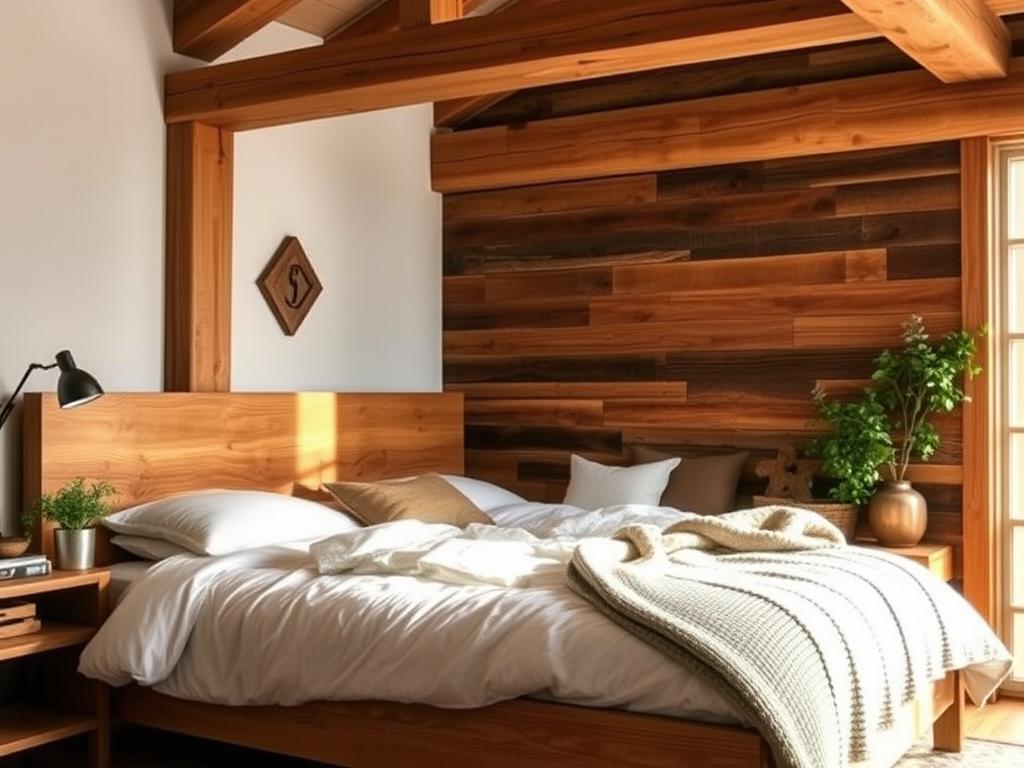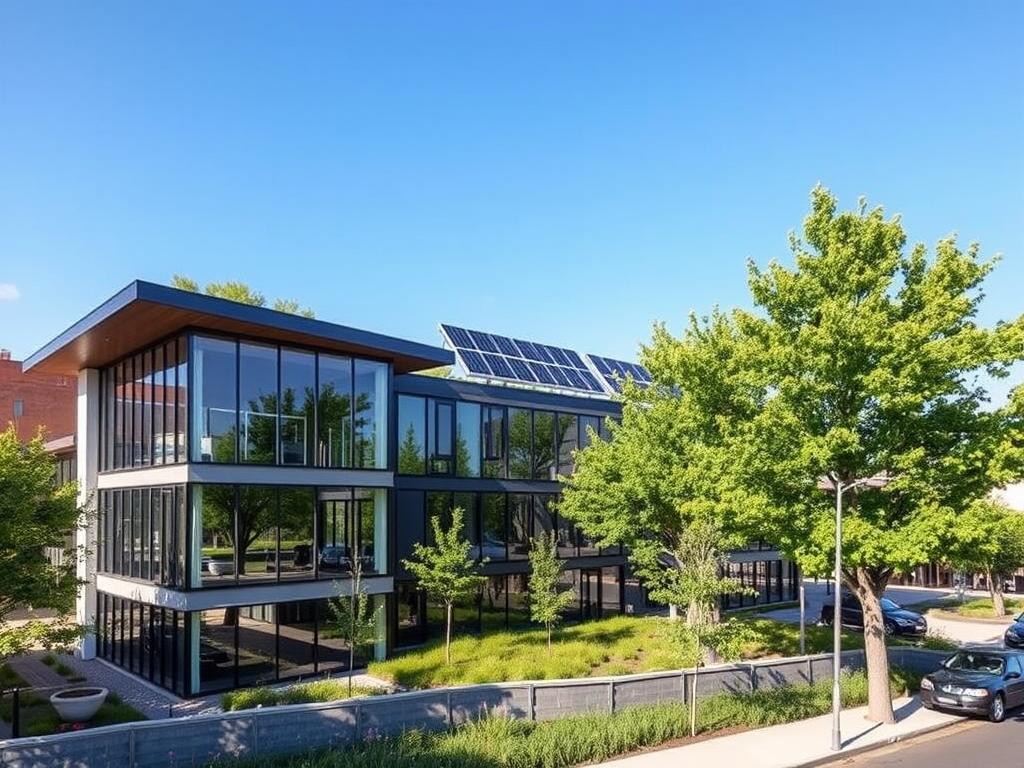
In today’s world, we face big challenges like climate change and high energy costs. Using passive design in building architecture is key. It makes buildings use less energy and stay comfortable inside.
By using sunlight and wind, we need less mechanical systems. This works for homes, schools, and businesses. It’s a smart way to save energy.
A 2022 study found that passive design cuts energy use a lot. It makes buildings use less energy and air cleaner. This is good for everyone’s health.
Using the right insulation keeps buildings at the right temperature. This is very important for places that need to stay cool or warm.
Sustainable Architecture: Sustainable architecture is an approach to building design that prioritizes environmental stewardship and social responsibility. By incorporating green building principles, architects can create structures that not only reduce carbon emissions but also promote occupant health and well-being. This can be achieved through the use of locally sourced materials, natural ventilation systems, and renewable energy sources, among other strategies. By adopting sustainable architecture practices, buildings can minimize their impact on the environment while providing a healthy and productive workspace for occupants.
Looking ahead, passive design saves money and helps the planet. It makes buildings use less energy. I want to make buildings that are good for the planet and save money.
Understanding Passive Design Principles
In today’s world, we need buildings that use less energy. Passive design uses the climate and site to make buildings more comfortable and save energy. It’s a key part of making buildings better for the environment.
What Is Passive Design?
Passive design makes buildings work better with nature. It helps control temperature and air quality without using much energy. Buildings like Passive Houses use up to 90% less energy than usual.
Important parts of passive design are how the building is set up, how it breathes, and its mass. These work together to use the natural climate for energy.
The Importance of Energy Efficiency in Buildings
Energy efficiency in buildings is very important. It helps the environment by using less energy and making less pollution. Buildings aiming for Passive House need to be very well-insulated.
This design not only helps the planet but also makes buildings more comfortable. It keeps the inside temperature stable all year round.
Key Principles of Passive Design
Learning about passive design can make buildings more energy-efficient. It uses natural resources like sunlight, air, and materials. These elements help create cozy and green spaces.
Orientation and Layout
How a building is set up is key for getting sunlight. Aligning it with the sun’s path helps with heating and keeps warmth in. This makes the inside comfy all year.
Natural Ventilation
Using natural air flow is important for clean air inside. Windows and openings help cool breezes in, cutting down on air conditioning. It makes the inside feel fresh.
Thermal Mass
Thermal mass helps keep the temperature steady inside. Materials that hold heat make the building cozy in cold months and cool in hot ones. It’s a smart way to stay comfortable.
Daylighting Techniques
Daylighting makes buildings use less energy. It uses natural light to cut down on artificial lighting costs. Smart window placement and reflective surfaces brighten up the inside without losing comfort.
Benefits of Implementing Passive Design
Passive design has many good points for our planet and homes. It makes life better and helps us build in a green way.
Cost Savings on Energy Bills
Passive design saves money on energy bills. It uses less energy, so you pay less for heat and cool. In Germany, passive houses use 90% less energy than regular homes.
This means big savings over time. It’s a smart way to cut costs.
Improved Indoor Comfort
Passive design also makes homes more comfy. It uses natural air and keeps the right temperature inside. This makes your home cozy all year, no matter the weather.
It makes living at home more enjoyable.
Environmental Sustainability
Passive design is also good for the Earth. It uses less energy and cuts down on carbon emissions. This helps fight climate change and supports green building.
It’s a step towards a healthier planet. Passive design is key in our fight against pollution.
Steps to Incorporate Passive Design in Your Home
Adding passive design to my home is rewarding. It starts with knowing my site and climate well. Each step helps make my home more energy-efficient.
Assessing Your Site and Climate
First, I do a detailed site assessment. I look at sun paths, wind, and plants. This helps me make smart choices for passive design.
For example, I use wind direction to place windows for better air flow. I also use sun paths to decide where to put shades or overhangs to block heat.
Choosing the Right Materials
Choosing the right materials is key. I pick top-notch insulation and energy-saving windows. This cuts down on energy use.
A recent AIA survey shows more architects want to use sustainable products. Using these materials means my home will last longer and use less energy. Plus, using local materials helps the planet by cutting down on emissions.
Designing for Natural Light
Designing for natural light is also important. I make sure windows are in the right spots and use daylighting techniques. This makes my home brighter and more comfortable.
It also fits with passive design principles. By balancing looks and function, I get a bright home without wasting energy.
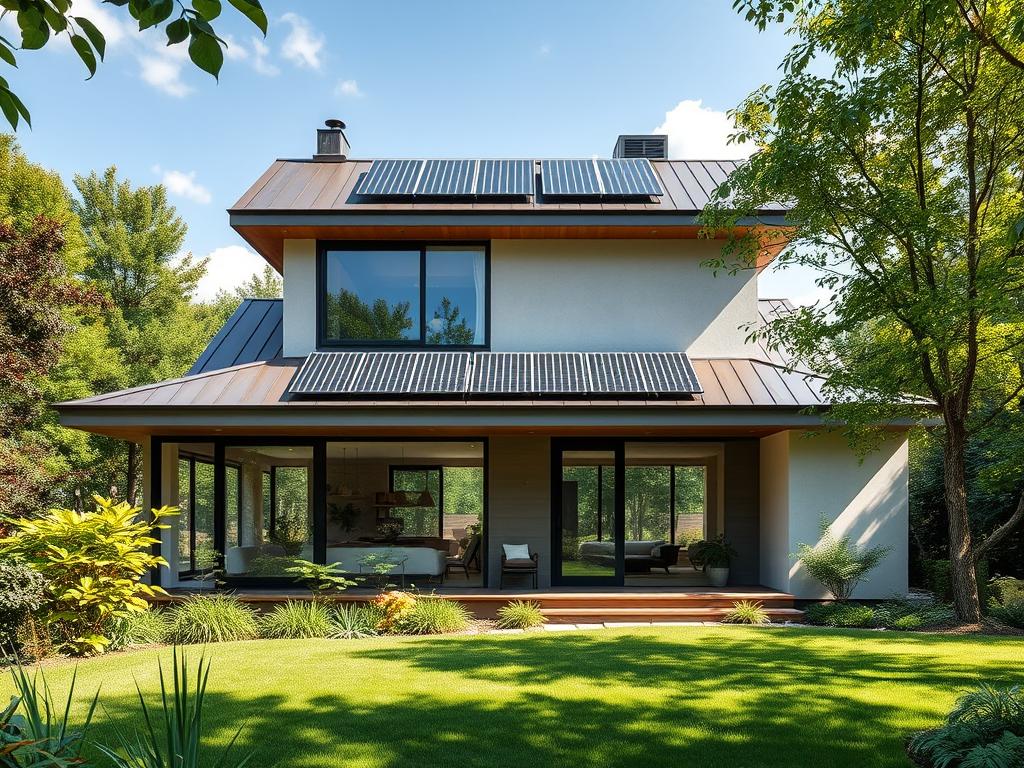
Passive Design Strategies for Existing Buildings
Retrofitting can greatly improve energy efficiency in existing buildings. It’s all about making smart changes without losing the building’s charm. This way, we keep the building’s character while making it more efficient.
Retrofitting for Better Energy Efficiency
By using the right retrofitting strategies, we can turn old buildings into energy savers. Here are some key steps:
- Upgrading insulation to cut down on heating and cooling needs.
- Sealing air leaks to stop energy from escaping.
- Installing new windows and doors that save energy.
These changes can really cut down on energy use. This means lower bills every year.
Making the Most of Current Resources
Using what we already have in buildings is smart. It helps us save energy. Here’s how:
- Using natural light by adjusting blinds or removing blocks.
- Using the building’s layout to get more sun or shade.
- Improving air flow to reduce the need for air conditioning.
By using these natural features, we keep the building’s original look. We also make it more energy-efficient for a greener future.
The Role of Landscape in Passive Design
Landscape design is key in making buildings more energy-efficient. It uses natural elements to make spaces more comfortable and cut down on energy costs.
Creating Windbreaks and Sun Shading
Windbreaks are a big part of my landscape design. Trees placed right can block harsh winds, especially in cold months. Deciduous trees offer shade in summer and let sunlight in winter.
It’s important to place trees so they cover both the first and second floors of a building.
Selecting Native Plants for Energy Conservation
Native plants help save energy. They need less water and care because they’re made for our local weather. This choice helps nature and saves energy.
I focus on important parts of passive design, like:
- Using trees that can handle our seasons
- Adding green roofs and walls for insulation
- Using materials that don’t get hot
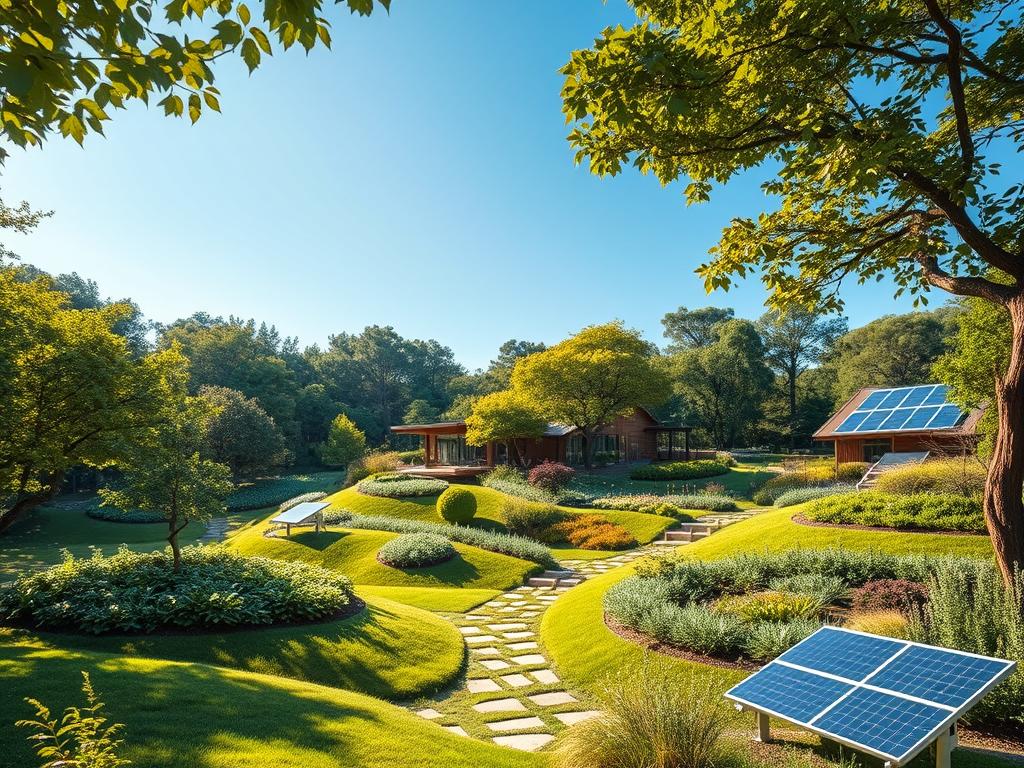
These landscape choices really help buildings work better. By mixing landscape design with passive methods, I make spaces that are good for the planet and save energy.
Integrating Passive Design with Renewable Energy
Adding renewable energy to building designs makes them more efficient and sustainable. Solar power and passive design work together. This reduces energy use and boosts comfort for everyone.
Combining Solar Power with Passive Techniques
When I mix solar power with passive design, I think about how they fit together. Passive design uses natural light and materials to control temperature. Solar panels add to this, making buildings more energy-efficient and saving money.
This approach also cuts down on using energy from non-renewable sources. It’s a win for both the building and the planet.
The Synergy Between Passive and Active Systems
Passive and active design work together for a better energy plan. Using natural resources and renewable energy, buildings can be more efficient. Tools like RETScreen help plan these systems.
Places like the Bullitt Center show how well this works. They use sustainable practices to be energy-independent and reduce carbon emissions. This shows a big commitment to taking care of our planet.
Common Myths about Passive Design
Many people think wrong about passive design. This stops them from using it. Knowing these wrong ideas helps us use energy-saving methods better.
Misconceptions About Aesthetics
Some think passive design is ugly. They believe it makes buildings look bad. But, this is not true.
Passive design can make buildings look great. Big windows bring in light and look good. Over 14,000 buildings show that design and green living can go together.
By looking into myths about passive design, we see how it can be beautiful and useful.
The Belief That It’s Only for New Builds
Many think passive design is only for new homes. They think old homes can’t be made green. But, this is not true.
Old homes can be made energy-efficient too. Adding better insulation and windows can save a lot of energy. This makes passive design possible for more people.
The Future of Passive Design in Architecture
The future of passive design is all about being green and saving energy. Architects are now making buildings that are good for the planet. They use new materials and tech to make buildings that are energy-smart.
Trends Influencing Passive Design
More and more people are using Passive House standards. These buildings use way less energy than old ones. Since 2010, Passive House has grown a lot.
At the Reimagine Buildings ’24 conference, 700 people talked about green building. Buildings like Handel Architects’ Winthrop Center in Boston use much less energy. The Massachusetts Clean Energy Center is helping more buildings go green by 2026.
The Impact of Climate Change on Building Design
Climate change is changing how we design buildings. We need to make buildings that can handle the weather. Buildings are a big part of the problem, but we can make them better.
In places like Scotland, laws are making buildings more energy-efficient. This saves money and helps the planet. For example, the Carmen Villegas Village in East Harlem saves $70,000 a year.
Resources for Learning More About Passive Design
Looking to learn more about passive design? There’s a lot out there to help you. Books and websites are full of useful info. They share strategies and success stories from buildings that use these principles well.
Recommended Books and Websites
“The Passive House Handbook” is a great book to start with. It explains things in a fun and easy way. Websites also have lots of resources like research papers and design tools. They help you learn how to use these ideas in your own projects.
Community Workshops and Online Courses
Workshops and online courses are also great for learning. They let you try out what you’ve learned in real life. These programs help you understand passive design better and meet others who care about green buildings.
FAQ
Q: What is passive design?
A: Passive design uses architecture to save energy and make spaces comfy. It uses sunlight and wind to cut down on mechanical needs.
Q: Why is energy efficiency important in buildings?
A: Saving energy helps lower costs and protects the environment. It’s key for green buildings that are good for people and the planet.
Q: How can I implement passive design principles in my home?
A: Begin by understanding your site and climate. Choose good insulation and windows. Place windows right to get lots of light and air.
Q: What are the benefits of using passive design strategies?
A: You’ll save money on bills and feel more comfortable inside. It’s also better for the environment by using less energy and cutting carbon.
Q: Can existing buildings benefit from passive design?
A: Yes, old buildings can get more efficient. Just add insulation, seal leaks, and use natural air flow. This keeps the building’s look.
Q: How does landscaping contribute to passive design?
A: Landscaping helps by blocking wind and sun. This lowers cooling costs. Using native plants is also good for nature and saves work.
Q: How can passive design work with renewable energy sources?
A: Passive design and solar power work well together. They use the right layout and materials to manage energy better.
Q: What are some common myths about passive design?
A: Some think it’s ugly or only for new buildings. But it can look great and work in old buildings too.
Q: What trends are shaping the future of passive design?
A: New materials and tech are changing passive design. So are climate changes and a focus on being green.
Q: Where can I learn more about passive design?
A: There are many books, websites, workshops, and online courses. They teach about passive design and how to use it.
Source Links
- https://bee-inc.com/2024/01/11/how-to-integrate-passive-design-strategies-for-energy-efficient-buildings/ – How to Integrate Passive Design Strategies for Energy-Efficient Buildings
- https://sustainabilityworkshop.venturewell.org/node/784.html – Passive Design Strategies | Sustainability Workshop
- https://passivehouseaccelerator.com/articles/five-principles-of-passive-house-design-and-construction – Five Principles of Passive House Design and Construction
- https://serc.carleton.edu/integrate/teaching_materials/energy_sustain/student_materials/passive_designs.html – Passive Designs
- https://aiacalifornia.org/news/things-you-can-do-right-now-passive-design/ – Passive Design – AIA California
- https://buildpass.co.uk/blog/the-5-fundamental-principles-of-passive-house/ – The 5 fundamental principles of Passive House – BuildPass
- https://blog.siniat.com.au/the-5-principles-of-passive-house-design – The 5 principles of Passive House design
- https://home.howstuffworks.com/home-improvement/construction/green/10-benefits-of-a-passive-house.htm – 10 Benefits of a Passive House
- https://www.synergyhomesfl.com/blog/benefits-of-passive-solar-design-principles/ – The Benefits of Passive Solar Design Principles | Synergy Homes
- https://www.energy.gov/energysaver/passive-solar-homes – Passive Solar Homes
- https://archiroots.com/powerful-passive-design-strategies/ – 8 Powerful Passive Design Strategies And How They Are Proving Helpful | Archiroots
- https://www.chicksandmortar.com.au/passive-design-and-your-home/ – 5 ways to incorporate Passive Design into your home – Chicks and Mortar
- https://shortenhomes.com/passive-house-designs/ – How To Design A Passive House: Tips And Strategies For Efficiency – Shorten Homes
- https://www.novatr.com/blog/passive-design-strategies-in-architecture – Significance of Passive Design Strategies for Architecture in 2024
- https://gbdmagazine.com/passive-design-strategies/ – Passive Design Strategies to Inspire Design and Building Projects in 2024
- https://www.landscapingnetwork.com/landscape-design/sustainable/solar.html – Energy Efficient Landscaping
- https://plantsandlandscapes.com.au/passive-solar-design-how-landscape-design-complements-the-built-environment/ – Passive Solar Design – How Landscape Design Complements the Built Environment – Provincial Plants & Landscapes
- https://www.linkedin.com/advice/0/how-do-you-use-renewable-energy-passive – How do you use renewable energy and passive design strategies in your structures?
- https://gdiengdesign.com/designing-for-a-sustainable-future-integrating-renewable-energy-systems-into-architectural-designs/ – Integrating Renewable Energy Systems into Architectural Designs
- https://blog.passivedesign.ca/blog/busting-the-myths-about-passive-house – Common Myths About Passive House in North America
- https://passivehouseaccelerator.com/articles/eight-passive-house-myths-busted – Eight Passive House Myths BUSTED
- https://nypost.com/2024/07/07/lifestyle/passive-design-is-the-future-of-architecture/ – Is ‘passive’ design the future of architecture?
- https://blog.sketchup.com/home/passive-architecture-fostering-a-sustainable-future – Passive architecture: fostering a sustainable future
- https://yaleclimateconnections.org/2024/02/the-promise-of-passive-house-design/ – The promise of passive house design » Yale Climate Connections
- https://serc.carleton.edu/integrate/teaching_materials/energy_sustain/passive_designs.html – 5. Passive Designs
- https://emupassive.com/learn/learn-passive/ – Learn about Passive Design/Build