Imagine diving into the ocean’s calm, where light beams through the water. This reveals the colorful world of marine life, waiting to be captured. As a beginner, you start a journey that mixes photography with scuba diving.
This journey is rewarding, with beautiful images from under the sea. To start, you need a waterproof camera. It connects you to the ocean’s wonders, capturing them in pixels and light.
For scuba photography beginners, learning to dive is key. It’s like a dance in the blue waters, moving slowly to respect the sea. Before diving, learning about your gear on land is important.
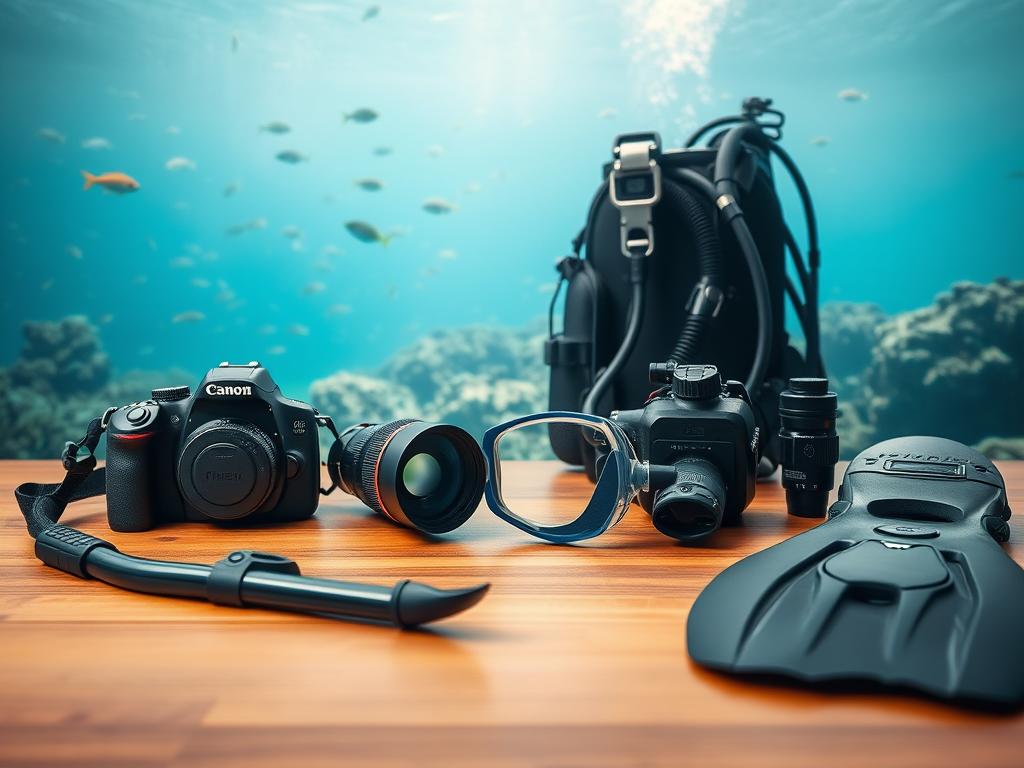
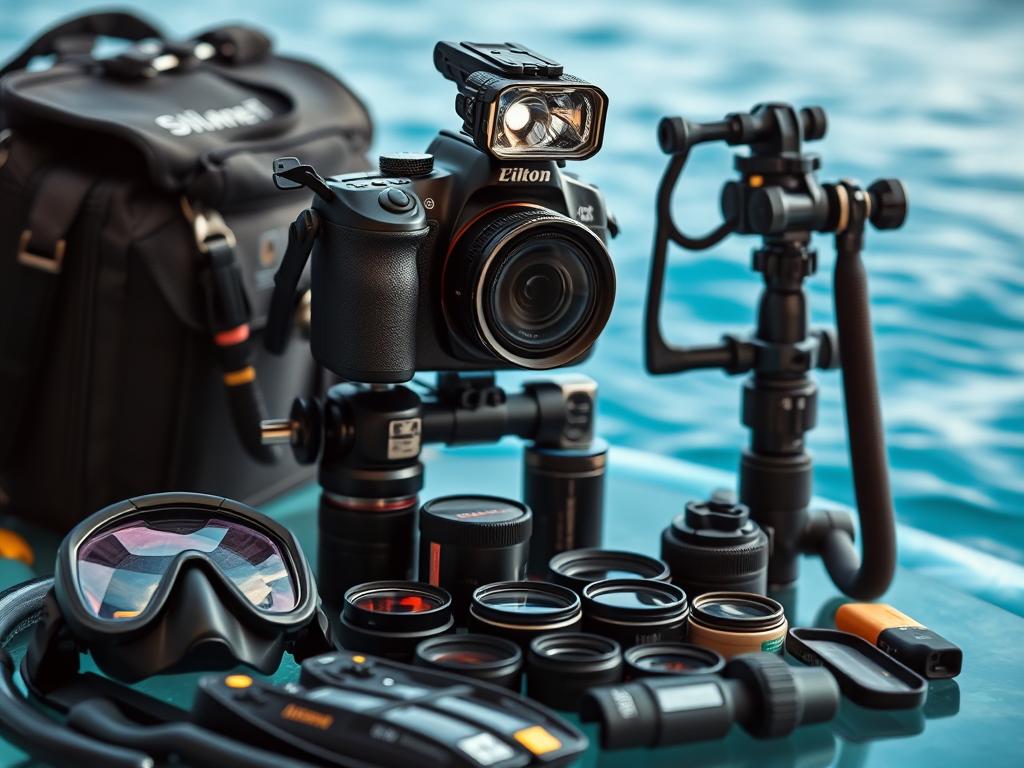
The right tools include cameras, housings, lenses, and lights. Each one helps reveal the sea’s beauty.
With your gear ready, practice your diving skills. This lets you move smoothly, looking for that perfect shot. As you dive, you carry more than just skills and gear.
You also carry a promise to protect the ocean. In underwater photography, you’re not just capturing beauty. You’re also calling for the sea’s protection.
Understanding the Basics of Underwater Photography
Exploring underwater photography is exciting and artistic. It mixes the thrill of diving with the skill of taking great photos underwater. To get better, it’s key to know scuba diving basics and use scuba photography tips and marine photography insights.
Underwater photography is special because of its unique setting and techniques. It helps document marine life, aids in research, and offers a creative outlet. A good underwater photography guide can improve your skills, no matter your experience level.
What is Underwater Photography?
Underwater photography means taking pictures while in the water. It uses special cameras that can handle water pressure and light. Photographers can capture hidden moments, showing us the beauty of the ocean.
Why Choose Underwater Photography?
Underwater photography is a thrilling challenge. It combines diving with photography, creating unique images. It also helps raise awareness about marine life and the need to protect it.
Essential Gear for Underwater Photographers
Choosing the right gear is key for amazing underwater photos. The right tools help capture the beauty of the sea.
Cameras and Housing Options
Waterproof cameras are great for beginners because they are easy to use and small. More experienced photographers might choose DSLRs for better settings and quality. All cameras need underwater camera housing to handle deep water. Housing protects the camera and lets you use different lenses and accessories.
Lenses for Underwater Shots
Lenses are very important for underwater photos. Macro lenses are best for close-up shots of sea creatures, giving clear details. Wide-angle lenses are good for big underwater views. The lens you choose affects the quality and type of photos you can take.
Lighting Equipment
Lighting is also very important. An external strobe can greatly improve photos by reducing backscatter and lighting up dark areas. It makes colors and details clearer. Using different lighting techniques can also make colors pop, even in deep water where sunlight is scarce.
Camera Settings for Underwater Photography
Mastering underwater photography needs a good understanding of key camera settings. These settings help deal with the special challenges of underwater environments. Both new and experienced photographers must adjust their techniques to capture the colorful underwater world.
Adjusting ISO and Shutter Speed
Changing camera exposure settings like ISO and shutter speed is key. A higher ISO helps in low light but can cause noise. So, it’s important to match it with the right shutter speed.
This balance is vital for capturing sharp images of moving subjects. This includes fish or plants swaying in the water.
White Balance Considerations
Knowing about white balance underwater is very important. Light travels differently through water, changing how colors appear. This means that setting white balance manually is essential.
Manual settings help bring back the true colors of underwater scenes. Automated settings might not get it right, so manual adjustments are best.
- Try out underwater camera modes made for marine environments.
- Test different white balance presets to find the best for your dive.
- Check your photos underwater if you can. This lets you make quick changes to improve them.
Composition Techniques for Underwater Shots
Learning underwater photo composition is key to taking amazing photos underwater. Using the rule of thirds, leading lines, and natural framing makes underwater photos look great.
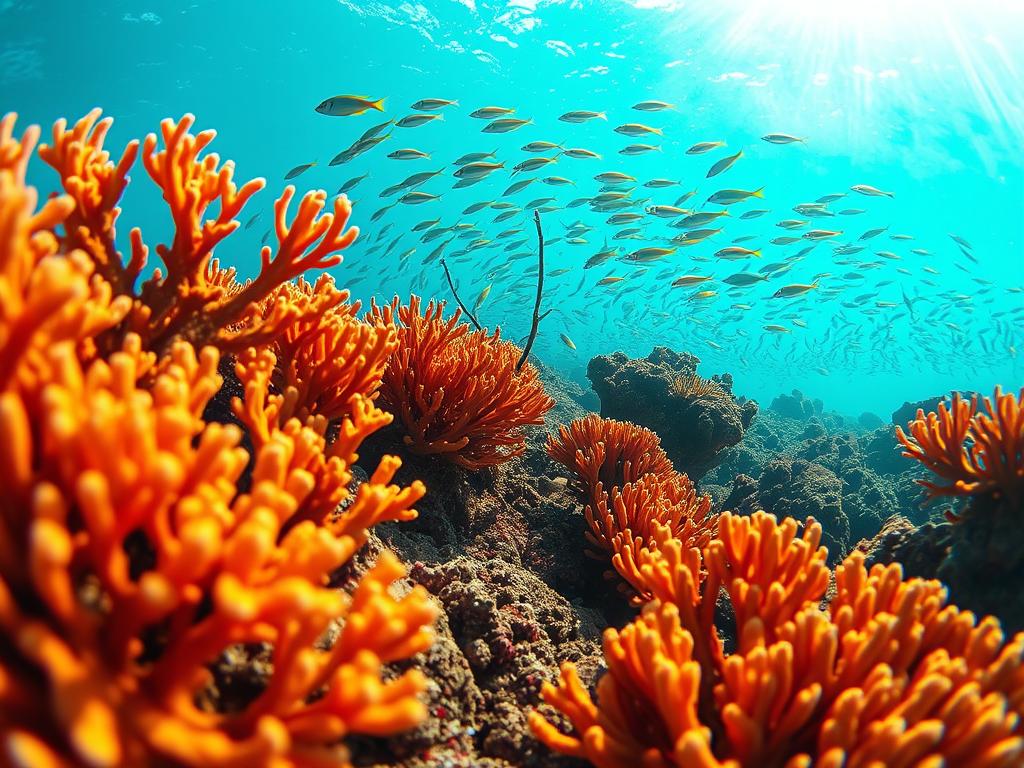
The rule of thirds in underwater photos means dividing the picture into nine parts. Place the main subject on the lines for a better photo that grabs the viewer’s eye.
Using Leading Lines and Depth
Leading lines help guide the viewer’s eye to the main subject. They can be coral, sunken objects, or anything else underwater. These lines add depth and interest to the photo.
Framing with Natural Elements
Natural framing uses underwater elements like plants or rocks to surround the subject. It draws the viewer’s eye and adds depth and texture, making the photo more engaging.
To make underwater photos better, pay attention to these composition techniques. Using the rule of thirds, leading lines, or natural framing all help make the photo more impactful.
Common Challenges in Underwater Photography
Underwater photography has its own set of challenges. Photographers need to adjust their techniques and use the right equipment. Issues include water refraction, underwater visibility, light management, and keeping stable while shooting.
Dealing with Water Refraction
Water makes objects look closer and bigger than they are. This can mess up focus and angles. To fix this, adjust your camera’s focus and position to fight the water’s effects.
Managing Visibility and Light
Water absorbs and scatters light, making things less visible and changing colors. To deal with this, use external lights and set your camera right. This helps fight the blue tint in deep water.
Overcoming Motion and Stability Issues
Currents and water movement can cause blurry photos. To get clear shots, you need to be stable. Use tools like underwater tripods or work on staying steady while shooting.
Best Practices for Underwater Safety
Following underwater safety best practices is key, like when you’re doing underwater photography. This part talks about important safety steps. These include dive training, the buddy system, and keeping your equipment in check.
Importance of Dive Training
Dive training is not just about swimming. It’s about learning dive safety procedures to stay safe. It teaches you how to control your buoyancy and position your body. These skills are important for both your safety and getting great underwater photos.
Buddy System: Diving with Partners
The buddy system is a big part of dive safety. Having a partner means you can get help if you need it underwater. Plus, your buddy can help carry your photography gear. This lets you focus on taking amazing photos.
Equipment Checks and Maintenance
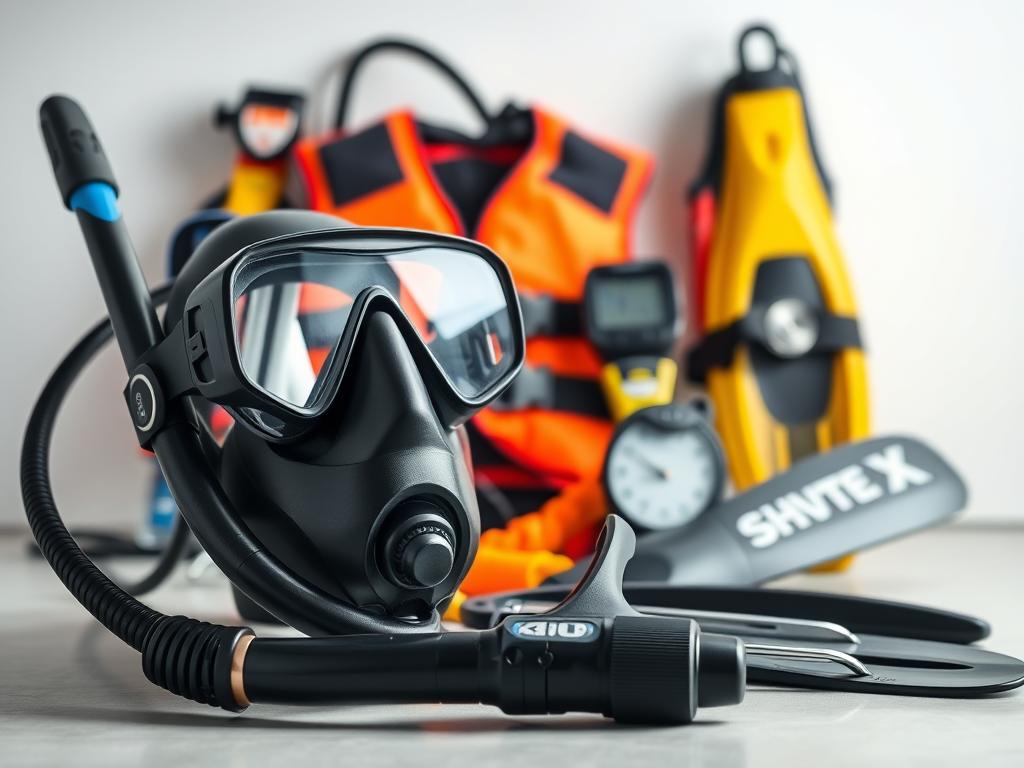
Checking and maintaining your gear is important. It keeps your equipment working well and lasts longer. After diving, rinse your gear with fresh water and let it dry before storing it. This keeps your gear in top shape for your next dive.
Post-Processing Your Underwater Images
After taking pictures of the underwater world, the next step is important. It’s called image post-processing. This makes underwater photos look amazing. With photo editing software, you can make details pop, change colors, and fix lens issues.
Good photo editing software is key. It helps with color changes, which is important for underwater photos. These photos often have a blue or green tint.
- Adobe Lightroom: Great for color fixes and organizing photos.
- Adobe Photoshop: Has advanced tools for detailed editing.
Use techniques that make underwater photos look real and beautiful. Adjust the light to show hidden details. Also, make contrasts to make subjects pop against the water.
- Adjust saturation to show bright colors without looking fake.
- Change brightness and contrast to light up deep scenes and details.
- Crop to put the subject in the best spot, making the scene more powerful.
Success in photo editing comes from a gentle touch. Focus on improving what’s already there, not covering it up. With careful editing, photos can show the beauty of underwater life. This lets more people see the amazing world under the sea.
Tips for Capturing Marine Life
Getting great shots of marine life is not just about being a good photographer. It also needs knowing underwater wildlife ethics and marine photo locations. You must understand animal behavior, how to not harm the environment, and where to find the best spots for photos.
It’s key to know how marine animals act. This helps photographers take pictures without disturbing them. By watching how they mate, eat, and interact, you can get amazing photos while being respectful.
Being ethical is very important in marine photography. This means not using flash to scare animals and not touching them for photos. It keeps the animals safe and helps protect their homes.
Finding the right place for photos is as important as taking them. Places like coral reefs and mangrove forests are full of life. But, you must be careful and follow local rules to protect them.
For more tips, check out guides on capturing marine behavior. They offer tips and advice on how to be ethical while taking photos underwater.
- Study and respect the natural habits and habitats of marine species.
- Invest time in learning the prime marine photo locations ensuring minimal disruption to the ecosystem.
- Practice robust underwater wildlife ethics to sustain the beauty and health of marine environments for future generations.
Popular Photography Styles for Underwater
In the underwater world, photographers love to try different styles. They take pictures of underwater portrait photography, underwater landscapes, and macro underwater shots. Each style offers a unique view of the ocean’s beauty.
Underwater portrait photography captures the faces of divers and sea creatures. These photos tell stories through the subjects’ expressions. They show the beauty of a turtle’s curiosity or a diver’s grace.
Some photographers prefer to capture underwater landscapes. They take pictures of vast underwater scenes. These photos show the beauty of coral reefs, shipwrecks, and more.
Macro underwater shots focus on the tiny details of the ocean. Photographers use special lenses to capture the beauty of small sea creatures. These photos reveal the wonders of the underwater world up close.
Joining Underwater Photography Communities
If you love taking pictures of the underwater world, joining underwater photography forums and social media communities is great. These places are full of people who love photography as much as you do. They share tips, give feedback, and support each other.
Online forums for underwater photography are full of useful info. They help both new and experienced photographers learn. Sites like Wetpixel and ScubaBoard are great for talking about gear and getting feedback on your photos.
- Being part of these forums can really help you get better at photography.
- Social media groups help you show your photos to more people.
Also, joining local diving clubs can improve your skills. These clubs plan dives where you can practice your photography. You’ll learn a lot and make friends who love photography too.
Being in an underwater photography community is rewarding. It’s not just for getting better at photography. It’s also about sharing the fun and challenges of capturing the underwater world.
Continuing Your Underwater Photography Journey
Being an underwater photographer means always learning and exploring. You’ll find new techniques and scenes to capture. Workshops and courses help you grow, giving you practical skills and guidance.
These opportunities make your portfolio better and bring joy to your work. Capturing the underwater world is rewarding.
Workshops and Courses
Workshops are key for improving your underwater photography. They offer hands-on learning in beautiful places. You’ll learn about buoyancy, light, and more.
Structured courses, like the SSI Photo & Video course, cover both art and tech. They help you understand and improve your skills.
Resources for Ongoing Learning
There are many resources for underwater photographers. Bluewater Photo offers guides, videos, and more. These help you stay updated on gear and techniques.
With these tools, you can keep practicing. Learning is endless in underwater photography. The journey is as vast as the ocean.