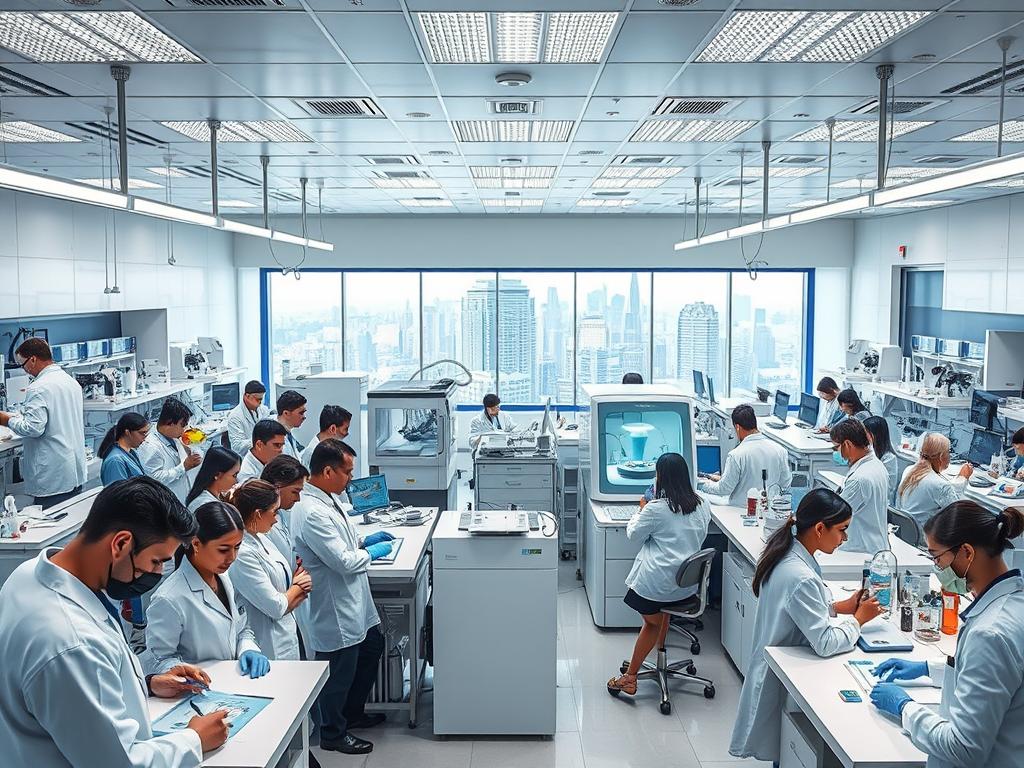
We stand on the shoulders of giants, looking at a future full of medical progress. It’s important to remember the innovators in healthcare who have made new paths. They see health in many ways, full of possibilities and growth.
History is filled with names that changed how we see life. Their endless curiosity and drive for knowledge have saved many lives. They inspire future healers and keep us hopeful for a healthier tomorrow.
Today, healthcare is filled with new ideas and technologies. This is all thanks to the brave work of modern medicine’s pioneers. This article honors them – the smart minds and caring hearts that have brought us a new era of healing.
Their work shows us that health is always changing. We keep building a better healthcare system for everyone, thanks to them.
The Evolution of Modern Medicine
Modern medicine has changed a lot over time. It shows a rich history of medical history and healthcare evolution. This change has made health services better and helped us understand and do more in medicine.
Key Historical Milestones
- The adoption of the Hippocratic Oath, a cornerstone in medical ethics.
- The emergence of antiseptic techniques by Joseph Lister, which dramatically reduced infections in surgical procedures.
- The discovery of penicillin by Alexander Fleming, which ushered in the era of antibiotics.
Influential Figures in Medicine
- Hippocrates, often considered the “Father of Medicine,” whose doctrines are partially in practice.
- Florence Nightingale, whose nursing care innovations have saved many lives.
- Avicenna, a key figure in both Eastern and Western medicine, who wrote important texts.
Every era has seen breakthrough medical figures lead to big changes and new ideas. From old ways to new ones in medicine, these leaders have set important standards. They have helped grow and improve today’s healthcare systems.
Innovations in Medical Technology
The leaps in medical tech advances are changing healthcare a lot. Big steps in diagnostic innovations and the telemedicine revolution are leading this change. They make health services better and reach more people worldwide.
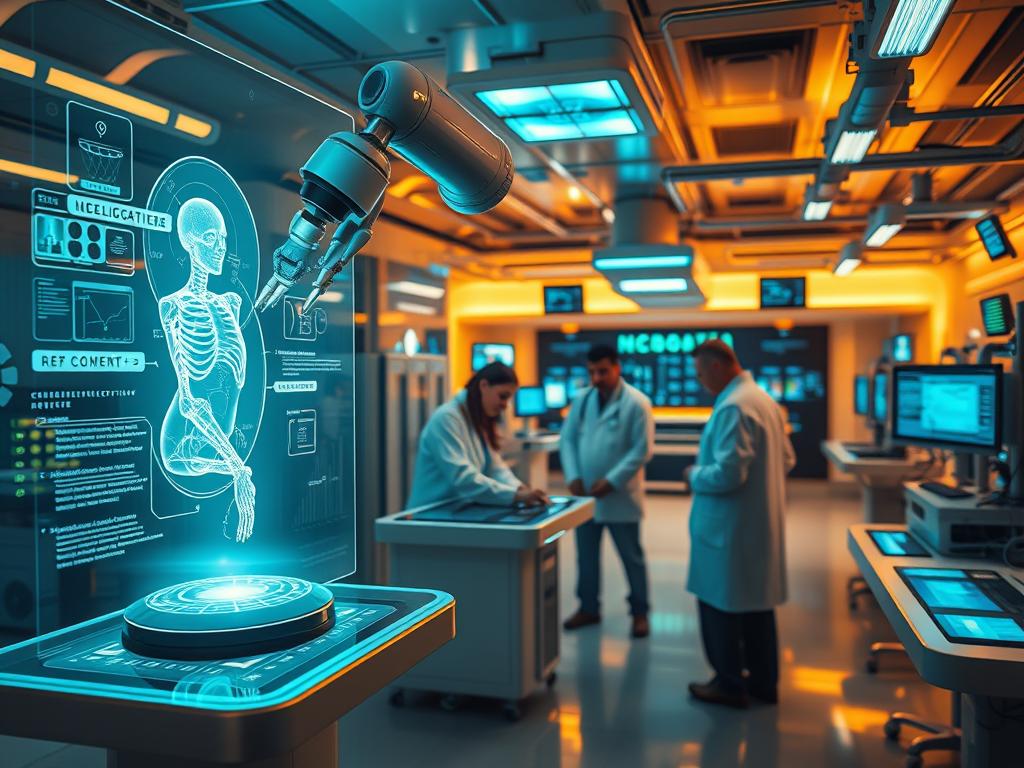
Breakthroughs in Diagnostic Equipment
New tools in diagnostic equipment are changing how we find and treat health issues. Advanced imaging and tools for quick data analysis are key. They help find diseases early and make treatments fit each person better.
- Enhanced imaging techniques allowing for detailed body scans.
- Portable diagnostic devices expanding care beyond traditional settings.
- AI-driven algorithms that predict possible health risks with great accuracy.
Telemedicine: The Future of Healthcare
Technology is making it possible for doctors to help patients from far away. This is very helpful in places that are hard to reach. It makes healthcare more available and ongoing, even during big health crises.
- Virtual consultations that save time and cut healthcare costs.
- Monitoring systems that give doctors updates on patients’ health in real time.
- Mobile health apps that help patients take care of their health on their own.
The mix of medical tech advances, diagnostic innovations, and the growing telemedicine revolution is changing healthcare. It promises better access, efficiency, and results in medical care.
The Role of Genetics in Healthcare
Genetic technologies have grown fast, changing healthcare a lot. Now, we have treatments made just for you. Tools like CRISPR help fix genes, making treatments more precise.
Gene Editing Technologies have changed medicine a lot. CRISPR is leading this change. It lets scientists fix DNA, helping find cures for diseases.
Personalized Medicine Initiatives use these genetic insights. They make treatments fit each person better. This makes treatments work better and have fewer side effects.
- CRISPR lets us target specific parts of the genome. This helps treat genetic disorders with great precision.
- Personalized medicine uses these advances. It offers treatments based on your genes, leading to better healthcare.
Using CRISPR in medicine shows a big genetic healthcare impact. It’s moving us towards treatments made just for you.
Notable Medical Researchers Today
Let’s look at the leaders in modern healthcare research. Renowned medical scientists are making big changes. They work on cancer research and infectious diseases. Their work could change healthcare all over the world.
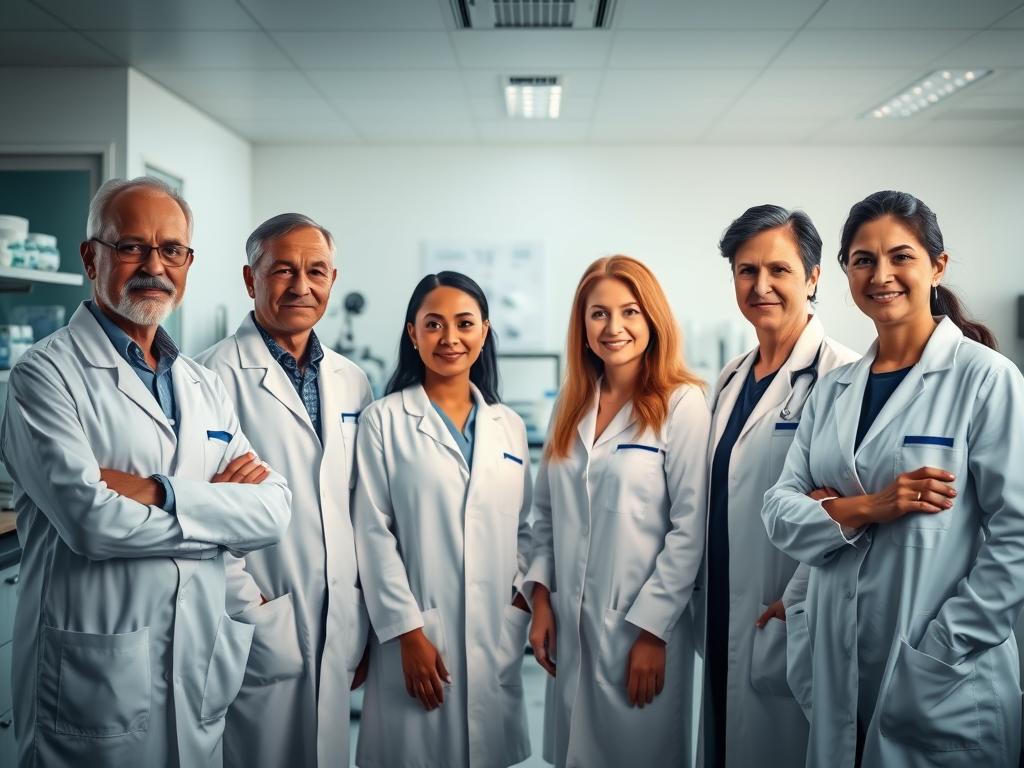
Leaders in Cancer Research
Cancer research pioneers are working hard today. They study how to treat cancer better. They look at genes, the environment, and lifestyle to find new ways to fight cancer.
- Exploration of gene therapy techniques.
- Enhancement of immunotherapy efficacy.
- Development of targeted drug delivery systems.
Experts in Infectious Diseases
Infectious disease specialists are fighting global pandemics. They help make health policies and find new treatments. Their work is key to keeping us safe.
- Design of novel vaccines.
- Strategies for containment and prevention.
- Advancements in rapid diagnostic testing technologies.
These scientists and teams are changing the game. They bring hope and healing to many. By supporting them, we help make healthcare better for everyone.
Advancements in Surgical Techniques
The journey of surgical advancements has reached a key point. We see big steps in minimally invasive surgery and robotics in medicine. These changes make surgery better and less scary.
Minimally invasive surgery has changed patient care a lot. It uses small cuts instead of big ones. This makes patients feel less pain and heal faster.
This method is used for many surgeries. It’s great for removing the appendix, uterus, and gallbladder.
- Reduced postoperative pain
- Shorter hospital stay
- Quicker recovery
- Smaller scars
Robotics in medicine has also made big changes. The da Vinci Surgical System is a big step forward. It lets surgeons do complex surgeries with more precision and control.
- Enhanced 3D visualization for the surgeon
- Greater dexterity and control of surgical instruments
- Ability to perform delicate operations through tiny incisions
To learn more about these surgical advancements, check out this detailed overview on modern surgical technology.
These new ways of surgery are making doctors better and patients healthier. They are changing medicine for the better.
Global Health Initiatives
The world of global health gets better thanks to many nonprofit organizations. They work hard to make healthcare better everywhere. Their efforts help fight health problems, mainly in places that need help the most.
Partners in Health (PIH) is a great example. It was started by Paul Farmer. Their work, like studies on PMC, has made big differences in health areas like HIV/AIDS and tuberculosis.
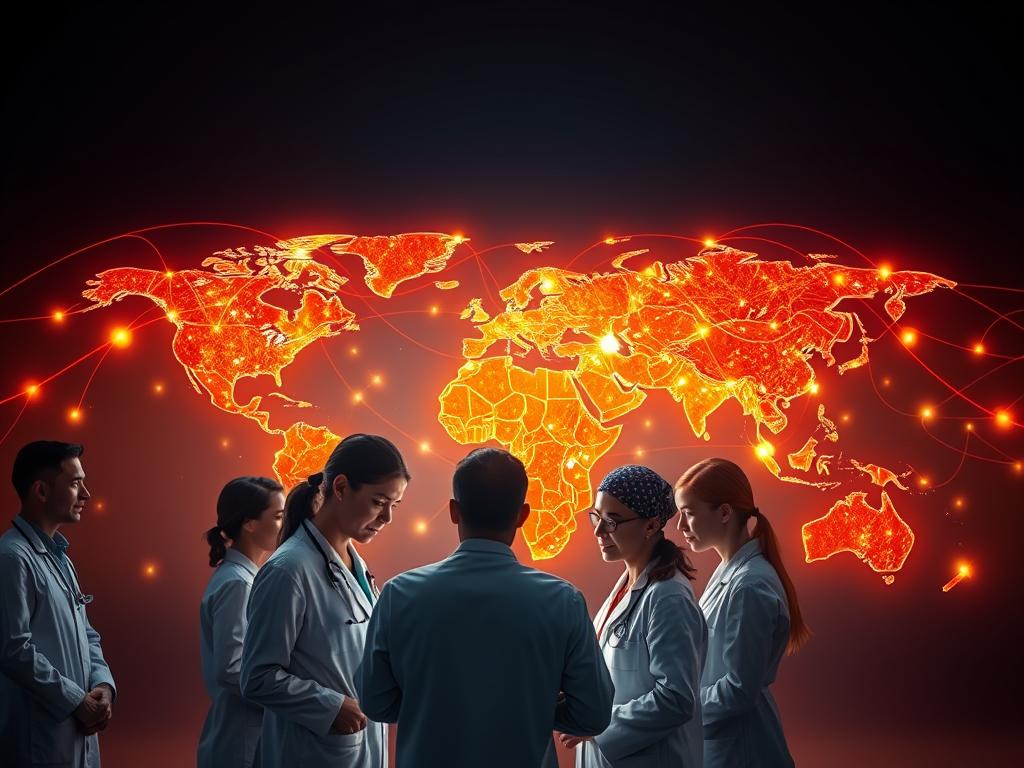
Working together is key in disease prevention. Governments, local groups, and global agencies must team up. This teamwork helps make health systems better, stopping diseases before they spread. Together, they keep health goals alive for a long time.
These groups also help with research and new discoveries. Their work leads to big wins in fighting diseases. This research helps find ways to prevent and treat diseases that work for different places and cultures.
- Improving healthcare delivery systems in under-resourced areas.
- Empowering local healthcare workers with training and resources.
- Developing sustainable models of care that serve as global templates.
The efforts of these nonprofits and their partners show how important global health is. They bring hope and help to the world’s most remote places. Their work shows the power of disease prevention partnerships in making a healthier world for everyone.
Mental Health Awareness and Advocacy
The talk about mental health has changed a lot. This change is thanks to advocacy in mental health. People are working hard to make sure mental health gets the same care as physical health. They want to change how society and doctors think about it.
- Experts are using social media and journals to change how we see mental health.
- They speak out, help make laws, and write research to fight mental health stigmas.
Innovative Treatments for Mental Health
- New emerging mental health treatments include apps for therapy. They’re easy to use and don’t carry the old stigma.
- Psychedelics are also being tested in therapy. They might help with depression and PTSD.
These steps in advocacy in mental health and new treatments offer hope. They also keep the conversation going and push for more support in this important area.
The Impact of Artificial Intelligence in Medicine
Artificial intelligence (AI) is changing healthcare worldwide. It helps with AI-driven diagnostics and makes big decisions. AI is key to making healthcare better and more focused on patients. This part talks about how AI helps healthcare and the important ethics it follows.
AI makes doctors better at finding and treating diseases early. It uses machine learning to look at lots of medical data. This helps doctors understand patients better and treat them more effectively.
But, AI in healthcare raises big ethical questions. Issues like privacy, consent, and fairness are important. Keeping patient data safe and clear is critical as we use these new technologies.
- Data Security: Protecting patient information against breaches.
- Informed Consent: Ensuring patients understand how their data will be used in AI-assisted procedures.
- Equity of Access: Addressing disparities in the availability of AI-enhanced treatments.
To keep seeing the good from AI impact in healthcare, we need strong ethics and careful innovation. As AI gets better, we must keep talking and making rules. This way, all patients can get the best of both science and care in medicine.
Future Trends in Healthcare
The healthcare world is changing fast. New trends are making patient care better and more convenient. Predictive analytics and virtual healthcare are leading the way.
These changes mean healthcare will soon be more focused on what patients need. It will be more ready to help before problems start.
Predictive Analytics in Medicine
Predictive analytics are becoming key in keeping patients healthy. They use lots of data to guess what might happen next. This helps doctors act fast to prevent problems.
It also helps save money by avoiding expensive treatments later. As this tech gets better, it will change how we get care.
The Rise of Virtual Health Services
Virtual health services are growing fast. They let patients see doctors without leaving home. This is good for people who can’t get to a doctor easily.
It’s great for checking on chronic conditions and following up. Virtual care is making healthcare more accessible and personal. It’s breaking down old barriers to getting help.