
Many people dream of a toned body when they start working out. They want strong arms and a firmer core. They also hope to lose fat without losing muscle.
Gym Workouts for a Lean Physique mix strength training with healthy eating. This helps people get leaner. It burns fat and builds muscle at the same time.
A good plan matches each workout with specific goals. This helps you grow steadily. It makes your body look more defined.
Understanding the Lean Physique: What Does It Mean?
A lean physique means having the right mix of muscle and fat. It’s not just about the number on the scale. It’s about keeping muscle through exercise, which keeps your body strong and your metabolism going.
Studies from Harvard Medical School show that a good muscle-to-fat ratio is key. It boosts your energy and helps you move better every day.
Key Components of a Lean Physique
Exercise that includes lifting weights and cardio is best. Make sure to include rest days to let your muscles heal. Eating enough protein helps with recovery, and healthy meals give you the nutrients you need.
Importance of Body Composition
Having lean muscle helps protect your joints and boosts your stamina. It can also improve your posture and reduce injuries. A good body composition is about building strength and losing fat together. This makes you more resilient against daily challenges.
Essential Principles for Effective Workouts
Building a strong fitness foundation is about balance. You need strength work, cardio, and good food. Each part helps burn fat and build muscle.
Using weights and toning exercises keeps muscles lean. Cardio improves heart health and burns calories. Together, they help manage weight.
Resistance Training vs. Cardio
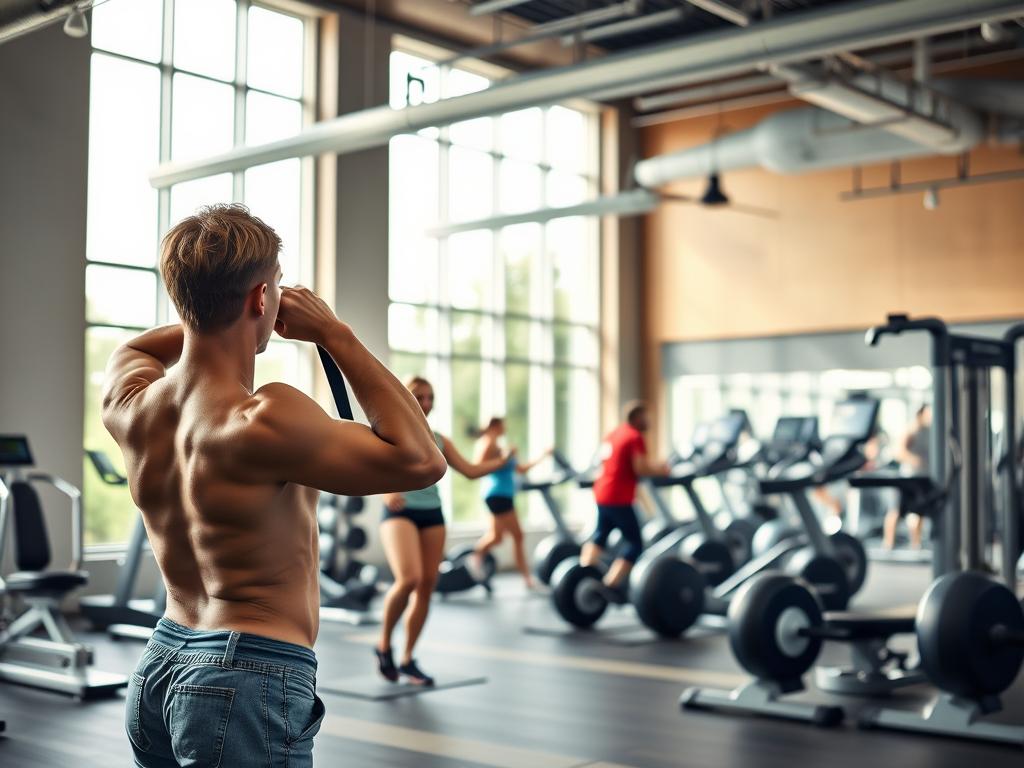
Weights and machines make muscles stronger. They help grow muscles. Cardio, like running, boosts stamina and burns calories.
Mixing both is key for healthy weight control.
The Role of Nutrition
What you eat affects recovery and energy. Eating a bit less helps lose fat slowly. This way, you keep muscle.
Protein is important for fixing tissues. Carbs give energy for workouts. Fats from avocados and nuts keep hormones balanced. With toning exercises, you get a leaner body.
Best Gym Machines for Fat Loss
Many people look for machines that help burn lots of calories. Modern gyms have machines that challenge different muscles. This keeps workouts interesting and helps lose fat.
Treadmills and Ellipticals
Treadmills, like those from NordicTrack, let you change speed and incline. This makes workouts more fun. Ellipticals work your upper and lower body gently.
Adjusting resistance on ellipticals makes your workout harder. This burns more calories without hurting your joints.
Rowing Machines
Rowers, like Concept2’s, work your whole body. They make your legs, back, and core strong. Rowing also boosts your heart rate, helping burn fat.
Mixing slow pulls with fast strokes keeps your muscles on their toes. This helps control weight and improve your body shape.
Top Free Weight Exercises for Building Muscle
They work on many muscle groups, key for most workout plans. Keeping the right form helps improve stability and reach new training goals.
Dumbbell Bench Press
This exercise is loved for its easy technique. It works the chest, shoulders, and triceps well. Some like adding an incline to target the upper chest, but the flat version is very effective.
Barbell Squats
Squats are tough on the lower body, like quads, hamstrings, and glutes. They also help strengthen the core. Using more weight over time is a great way to grow muscle.
Deadlifts
Deadlifts work the back, legs, and grip from start to finish. Doing them right keeps you safe and helps you keep getting better. They’re a top choice for their full-body benefits.
High-Intensity Interval Training (HIIT)
This method mixes short, intense exercises with brief breaks. It helps use stored fat for energy, which is great for a leaner body. It also helps keep muscles strong when you do strength training and eat right.
People like adding sprint intervals, explosive moves, or full-body exercises to keep things exciting. The goal is to work hard, then rest just enough to catch your breath before starting again.
Benefits of HIIT Workouts
HIIT workouts increase calorie burning even after you leave the gym. This helps with fat loss and keeps muscle mass. It’s perfect for busy people because it’s quicker than regular cardio.
Sample HIIT Routine
Some use treadmills for 20-second sprints at top speed, followed by 10-second breaks. Others prefer rowing machines with quick power strokes and short rests. Try six to eight intervals, then cool down slowly for safety. This routine boosts stamina and burns fat.
How to Structure Your Workout Routine
Creating a clear plan is key to getting lean and strong. Keeping goals in mind and making progress helps stay motivated. This guide helps adjust workouts to fit your needs, keeping you on track.
Compound exercises like squats and deadlifts work best. They require 2–5 sets and 5–15 reps. Light lifts need 1–2 minutes rest, while heavy ones need 2–3 minutes.
Workouts should last 45 minutes to 1 hour. This keeps you from getting too tired and losing muscle.
Frequency and Duration
Doing too many workouts in a row hurts muscle growth. Aim for 2 to 4 strength days a week. Make sure to include rest days for better results.
Splitting Muscle Groups
Divide workouts into upper/lower body or push/pull/legs routines. Here’s a sample schedule:
- Push: Chest, shoulders, and triceps
- Pull: Back and biceps
- Legs: Quadriceps, hamstrings, and calves
This method helps focus on specific areas and recover better. Always keep increasing the weight to keep challenging yourself and growing stronger.
The Connection Between Mindset and Fitness
How you think can change your fitness journey. A positive mindset helps you move forward and stay strong during tough workouts.
Believing in yourself and setting doable goals helps you grow. Managing stress is key to staying on track with your health goals.
Setting Realistic Goals
Setting goals like losing fat or increasing squat reps keeps you focused. Success in small steps boosts your confidence and prevents burnout from too big goals.
Staying Motivated in the Gym
Keeping track of your records or working with a trainer can keep you motivated. Trying new workouts keeps things interesting and helps you stay committed. Paying attention to your mental state makes your fitness journey smoother.
Nutrition Tips for a Leaner Physique
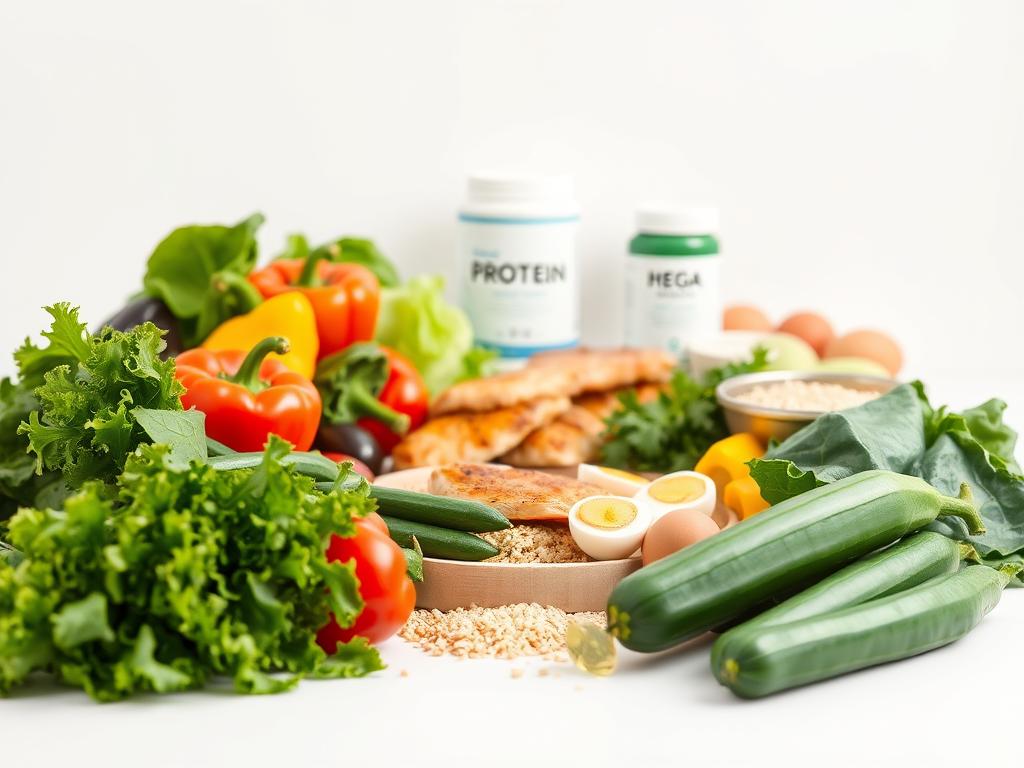
To get a sleek body, eat smart. Choose meals that feed your muscles and control calories. Eating balanced meals with good food groups keeps you full and helps burn fat.
Importance of Protein Intake
Protein is key for keeping muscles strong and helping you recover. To avoid losing muscle while losing fat, eat at least 0.86 grams per pound (1.9 grams per kilogram) of body weight. If you have less body fat, you might need up to 1.45 grams per pound (3.2 grams per kilogram).
- Supports muscle repair and reduces breakdown
- Helps the body stay stronger during a calorie deficit
Eating protein all day helps your muscles grow. For more on building lean muscle, check out this resource.
Meal Timing
Eating at regular times helps build strength. Each meal should have 20–30 grams of high-quality protein. This keeps your muscles growing and recovering well.
How much you eat is important. But eating often helps keep your muscles strong. It also helps you get a leaner body faster.
Common Workout Mistakes to Avoid
People sometimes lose progress by neglecting simple practices. These keep workouts safe and effective. Tiny oversights can lead to injury risk or stagnation. A balanced approach keeps the body strong.
Ignoring Proper Warm-Up and Cool Down
A warm-up preps muscles for activity and boosts circulation. It improves range of motion and lowers the odds of strains. A cool down helps the body recover, easing tightness and aiding joint health.
Each step supports better performance during the next session.
Overtraining
Pushing too hard without rest can stall gains. Excessive volume creates muscle fatigue faster than the body can rebuild. Proper recovery fosters consistent progress and shields against burnout.
A schedule that balances intensity and rest leads to sustainable results. It ensures long-term improvement.
Tracking Your Progress Effectively
Progress comes from keeping track of your data. By recording each milestone, you can see trends. This helps you stay on track to burn fat, build muscle, and keep a lean body.
It helps focus on gym workouts. You can also see where to change your exercise or calorie goals.
Using Fitness Apps
Digital tools are key for tracking daily habits. MyFitnessPal lets you log food and compare it to your activity. An Apple Watch tracks steps, heart rate, and workout intensity.
This info shows how workouts and meals affect your progress.
Keeping a Workout Journal
Some athletes write down their workouts in a notebook. A workout journal helps reach specific goals. It shows when you lift more or when you feel less motivated.
Every time you meet a goal, it shows what works for you. Using apps and writing in a journal keeps your progress real and helpful.