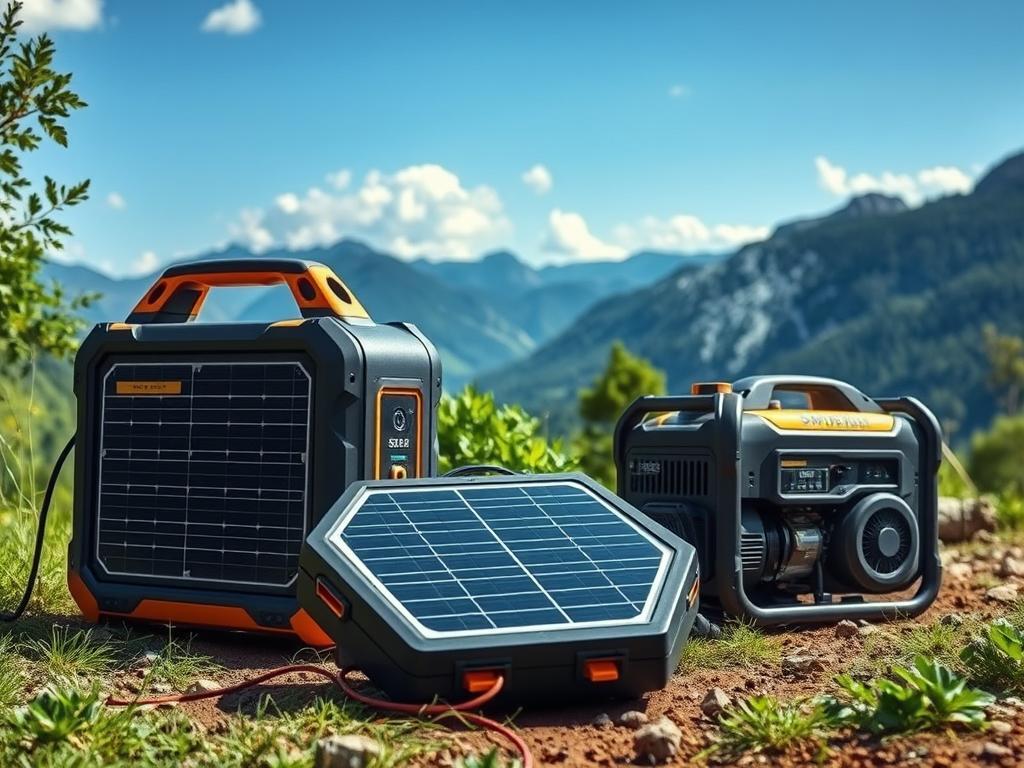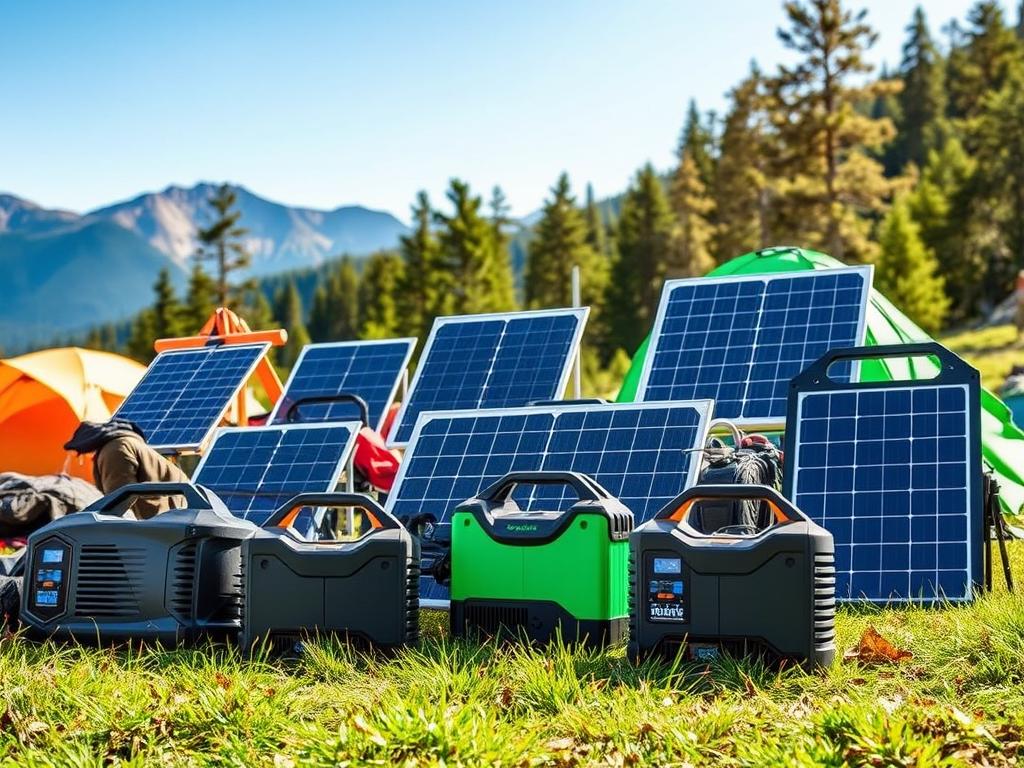
Imagine being on a camping trip, far from home, and your phone dies just as you see a stunning sunset. Or think about a sudden power outage during a storm, leaving you in the dark. In both cases, a portable solar generator can save the day. These gadgets offer quiet and efficient power, unlike noisy gas generators.
Portable solar generators are more than just a convenience; they are a lifeline in emergencies and a reliable friend for outdoor lovers. They keep you connected and safe, no matter where you are. They use the sun’s energy, making them a sustainable and affordable choice for keeping devices charged.

New solar tech has made these generators better and easier to get. Now, you can find powerful models like the Jackery Explorer 1000. It can power a small fridge for over 15 hours. The EcoFlow Delta charges fast, going from 0 to 80% in just an hour.
As more people choose renewable energy, portable solar generators become a smart choice. They ensure energy independence and sustainability. Whether for emergencies or outdoor fun, these tools are ready to power your life, blending convenience with care for the planet.
Overview of Portable Solar Generators
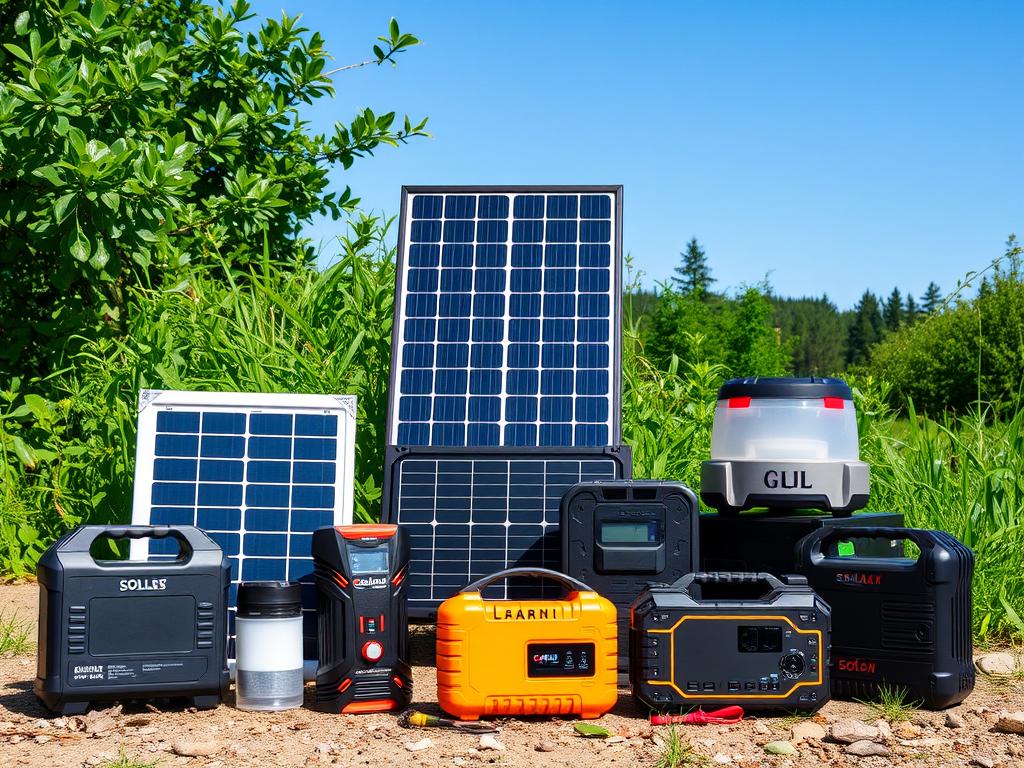
Portable solar generators are great for making power anywhere. They use sunlight to make electricity stored in batteries. This is perfect for emergencies, camping, or any place you need power.
Definition and Purpose
A portable solar generator captures and stores solar energy. It’s quiet and doesn’t pollute, making it good for homes or nature. It’s for keeping devices running in emergencies, outdoors, or remote work.
Key Features and Components
Portable solar generators have important parts:
- Solar Panels: These catch sunlight and turn it into electricity. They can make about 15-20% of sunlight into power.
- Battery Storage System: Batteries hold the energy for when it’s dark. They’re usually lithium-ion, lasting long and being light.
- Charge Controller: This part controls how much power goes into the battery. It stops overcharging and keeps energy stored well.
- Power Inverter: The inverter changes the DC power in batteries to AC power. This is what you need to run home appliances and devices.
Together, these parts make portable solar generators work well. They offer clean, quiet power for camping, home backup, or remote work. They’re a strong choice for those who care about renewable energy and sustainability.
History of Portable Solar Generators
Portable solar generators have a long history tied to solar technology. Early uses of solar power were small but important. They helped create the portable solar generators we use today.
Early Developments in Solar Technology
People started using sunlight as early as the 7th century BC. They used magnifying glasses to start fires. Then, in 1839, the photovoltaic effect was found, turning sunlight into electricity.
The first solar cell was made in 1883. Early solar cells, like selenium PV cells, were only 1% efficient. But these early steps were huge.
In 1954, Bell Labs made a silicon photovoltaic cell that was 4% efficient. This was a big leap forward.
Evolution Over the Decades
Solar panels got better and cheaper over time. By the late 1950s, Hoffman Electronics made solar cells 14% efficient. The 1970s saw costs drop to around $20 per watt.
This progress helped the portable solar generator industry grow. Today, these generators are key in renewable energy. They offer clean, affordable power for many uses.
The market for portable solar generators is growing fast. In 2019, it was worth about USD 492.20 million. It’s expected to grow by 13.15% each year until 2026. This growth is thanks to better solar panels and new products from companies like Goal Zero and Jackery.
How Portable Solar Generators Work
Portable solar generators are a new way to use the sun’s power. They give clean energy for many things.
Basic Operating Principles
Portable solar generators turn sunlight into electricity. They use solar panels to do this. These panels catch sunlight and make DC electricity.
This DC electricity goes into a battery. An inverter then changes it into AC electricity. AC is what most devices use.
Components Involved in Power Generation
Several key parts make portable solar generators work well:
- Photovoltaic Cells: These are the solar panels that catch sunlight and make DC electricity.
- Battery Storage: The DC electricity goes into batteries. Most use lithium-ion batteries because they last long and work well.
- Inverter: This part changes the stored DC electricity into AC electricity. This is what most devices need.
- Charge Controller: It makes sure the right amount of electricity goes to the battery. This helps the battery last longer.

These parts work together well. They make portable solar generators reliable and green. They are better for the environment than gas generators.
They also save a lot of energy. They are quieter and last longer than gas generators. They can last 5-15 years, while gas generators last 3-5 years.
Benefits of Using Portable Solar Generators
Portable solar generators are great for those who care about the planet and want to save money. They are perfect for outdoor activities and home use. Thanks to new tech, they are becoming more popular.
Environmental Sustainability
Portable solar generators are good for the environment. They don’t make harmful emissions like gas generators do. This means they help reduce pollution and lower your carbon footprint.
They are also quiet, making them great for camping. The batteries used last a long time and need little care. This makes them a reliable choice for energy.
Cost-Effectiveness and Savings
Portable solar generators are a smart buy. They save you money by using the sun instead of gas. This means you spend less on fuel over time.
They are easy to use, unlike gas generators. Just press a button to start. Plus, they need very little upkeep. This makes them a cost-effective choice.
There are many options available. For example, the EcoFlow RIVER 2 Pro is a great choice for outdoor use. The Anker SOLIX F2000 is perfect for bigger needs, like powering small homes or RVs.
These generators save money and are good for the planet. They are a great choice for anyone looking to use sustainable energy at home and outdoors.
Applications of Portable Solar Generators
Portable solar generators are key in many situations. They are great for making emergency power and supporting outdoor tech.
Emergency Situations and Disaster Preparedness
When disasters hit, portable solar generators are a lifesaver. For example, after Hurricane Helene, they helped many without power. They can power important things like fridges for hours.
These generators can be charged in many ways. This makes them ready for any emergency.
Outdoor Activities and Recreational Use
Outdoor lovers find portable solar generators very useful. They keep devices charged while camping or on adventures. They’re reliable and convenient.
For example, the Jackery Solar Generator 1000 V2 can power a fridge for 15 hours. It’s perfect for long trips. Even bigger models, like the Goal Zero Yeti 3000X, offer more power for longer use.
Comparison with Traditional Generators
When we look at solar generators and traditional generators, some big differences show up. These include noise levels, how they affect the environment, fuel needs, and costs. These points are key for anyone wanting a green and reliable power source.
Noise Levels and Environmental Impact
Solar generators are very quiet, unlike traditional generators that can be loud. This makes solar generators great for emergencies and outdoor fun. They also don’t pollute because they use the sun’s energy.
Traditional generators, though, make pollutants because they use fossil fuels like gasoline or diesel.

Fuel Needs and Operating Costs
Fuel needs are another big difference. Traditional generators need fuel all the time, which can cost a lot, even during long power outages. Solar generators don’t need fuel because they use the sun’s energy. This makes them cheaper over time.
Even though solar generators might cost more at first, they’re easier to keep up. Just clean the solar panels and check the batteries now and then. This keeps them working well.
Traditional generators can give more power right away and are good for heavy tasks. But, they cost more to run and maintain. Solar generators, on the other hand, save money and are better for the planet. They’re perfect for keeping power off-grid without constant expenses.
Prevention of Unauthorized Access and Data Breaches
Keeping data safe is key in today’s world. As more energy is made locally, we need strong security. Many devices use weak passwords, making them easy targets.
Enphase uses default passwords based on serial numbers. This can be a problem if someone figures out how to reverse-engineer it. Victron devices also have a risk because they can be accessed without a password.
Importance of Data Privacy in Communications
Keeping data safe in messages is very important. It helps protect important information and keeps things running smoothly. Companies must make sure their messages are secure.
Experts say we could see over 1100 big cyber attacks in the next five years. These could cost more than a million dollars each. This shows how big the threat is and why we need better security.
Tips for Securing Back-End Access
To keep back-end access safe, follow these steps:
- Update Default Passwords: Change default passwords to strong, unique ones right away.
- Use Multi-Factor Authentication: Make it harder to get in by needing more than one thing to log in.
- Regularly Update Security Protocols: Keep your systems up to date with the latest security fixes.
- Conduct Thorough Risk Assessments: Find and fix weak spots with detailed checks.
- Train Users on Best Practices: Teach everyone about staying safe online and the dangers out there.
By following these tips, we can stop unauthorized access and data breaches. This keeps our energy systems and other important things safe. As threats change, we must keep improving our security to stay safe.
Tools and Software for Secure Communications
In today’s digital world, keeping data safe is key, more so for secure talks. Many encryption tools and software help keep info safe. They do this without making things hard to use.
Overview of Encryption Tools
Encryption tools protect sensitive info from unwanted eyes. They turn data into secret codes. Only those with the right keys can unlock them.
These tools are vital for keeping data safe. They protect all kinds of messages, like emails and texts.
Recommended Software Options
There are many software options that are easy to use and strong in encryption:
- Signal: It’s famous for its strong encryption and easy-to-use design. Signal makes sure messages and calls are safe from start to finish.
- ProtonMail: This email service uses top-notch encryption. It’s made to keep emails safe and private.
- VeraCrypt: It’s great for encrypting files and whole drives. VeraCrypt keeps your data safe on your devices.
These tools make keeping data safe easy. They use strong encryption that’s simple to use. This means you can talk securely without needing to be a tech expert.
Understanding Open PGP vs. Other Encryption Standards
In today’s digital world, keeping data safe is key. OpenPGP is a top choice for this. It uses public key cryptography to keep data safe and private.
Comparison with SSL/TLS
SSL/TLS mainly keeps data safe when it’s moving between a server and a browser. OpenPGP, on the other hand, encrypts data from start to finish. This means only the person it’s meant for can read it.
OpenPGP also uses strong encryption like RSA. This makes it a great choice for keeping messages and files safe. It’s better than SSL/TLS because it doesn’t just rely on website security.

Advantages of Open PGP
OpenPGP gives users more control over their data. Unlike SSL/TLS, users can make their own keys. This helps keep data safer.
OpenPGP works well with many systems and software. For example, it works with GnuPG and GPGME. This makes it easy to add encryption to what you already do.
OpenPGP is also good at meeting different needs. It keeps data safe for things like healthcare and social media. This makes it a reliable choice for keeping data private.
Unique Features of Open PGP
Open PGP is known for its strong data privacy. It has two key features that make it stand out. These are better user control and working well with other systems.
User Control and Privacy
Open PGP lets users control their encryption keys and privacy. This means people can decide who sees their data. It’s all about giving users the power to keep their information safe.
This approach also fits with what people want today. They want security that puts them first. Open PGP helps by making sure only the right people can see what’s sent.
Interoperability with Other Systems
Open PGP works well with many systems and platforms. It’s great with email clients, operating systems, and more. This makes it easy to keep data safe without losing convenience.
For example, you can use Open PGP on different devices without trouble. This makes it easy to keep your communications safe.
To learn more about keeping batteries healthy, check out this guide. It shows how to manage power and extend battery life.
Challenges and Limitations of Encryption
Encryption is key for keeping data safe in our digital world. But, it faces many challenges and limits. Knowing these helps us improve how we protect against cyber threats.
Usability for Non-Technical Users
Encryption is hard for non-techies to use. Complex methods scare off many from using it. Despite more cyberattacks, few get the training they need.
It’s tough for users in Virtual Power Plants to keep data safe. Old or unpatched devices make things worse. Teaching users is key to solving this problem.
Managing Keys and Access Rights
Handling encryption keys and access is a big problem. It’s hard for 65% of companies to manage. Encryption can slow things down, making it hard to use.
The energy sector faces special challenges. Supply chain attacks and insecure APIs make things harder. Misusing encryption keys causes 85% of data breaches.
But, rules push for better encryption. Over 70% of industries must follow these rules. Companies that use end-to-end encryption see fewer breaches.
Improving how we use encryption is essential. We need to teach users and make key management easier. This way, we can keep data safe and follow the rules.
Step-by-Step Guide to Encrypting and Decrypting Messages
Encrypting and decrypting messages with Open PGP keeps your data safe. This guide will show you how to set up Open PGP and encrypt emails. Learning the basics and following these steps will keep your messages private and secure.
Basics of Setting Up Open PGP
To begin with Open PGP, install a software like GnuPG. You’ll create a key pair: a public key for sending and a private key for receiving. It’s important to use a unique IV for each encryption to keep your data safe. NIST suggests a 96-bit IV for GCM to make things easier.
Also, take care of your keys and change them every 4.3 billion uses. This keeps your data secure.
Instructions for Email Encryption
After setting up Open PGP, here’s how to encrypt an email: 1. Open your email client and write your message. 2. Use the recipient’s public key to encrypt it. 3. Add a digital signature to prove it’s real. 4. Send the encrypted email.
To decrypt, the recipient uses their private key. Make sure to clear any sensitive data to avoid leaks.
Using Open PGP for email security is key. By following these steps, you’ll make your emails much safer. This way, your important information stays safe from unwanted eyes.