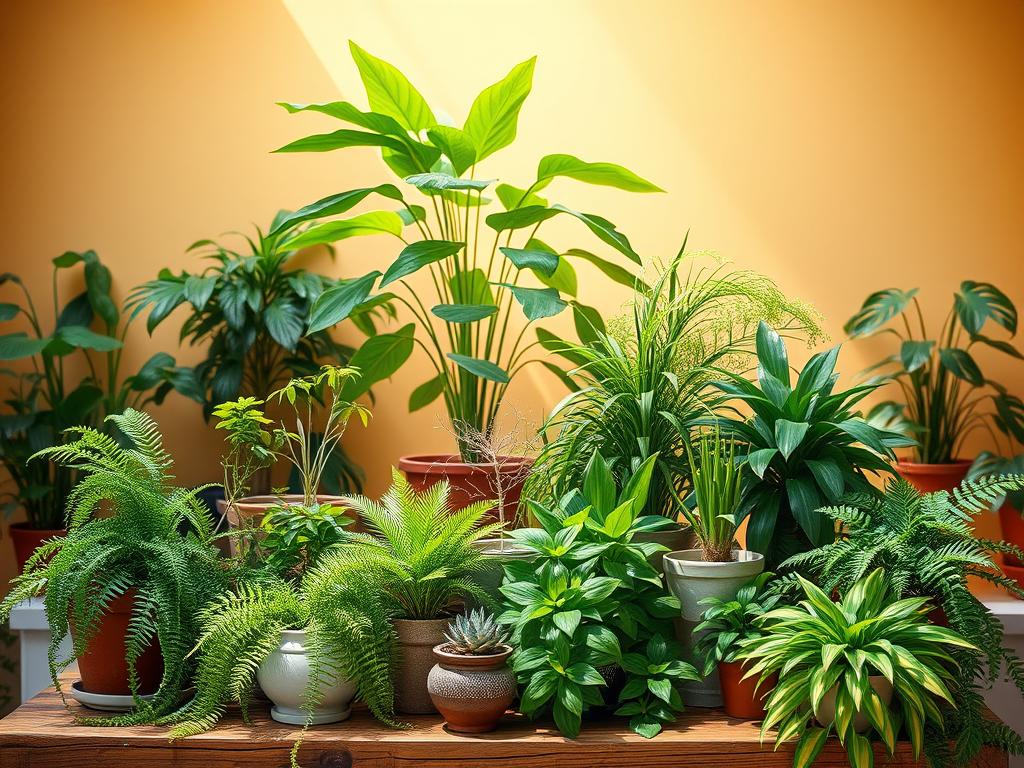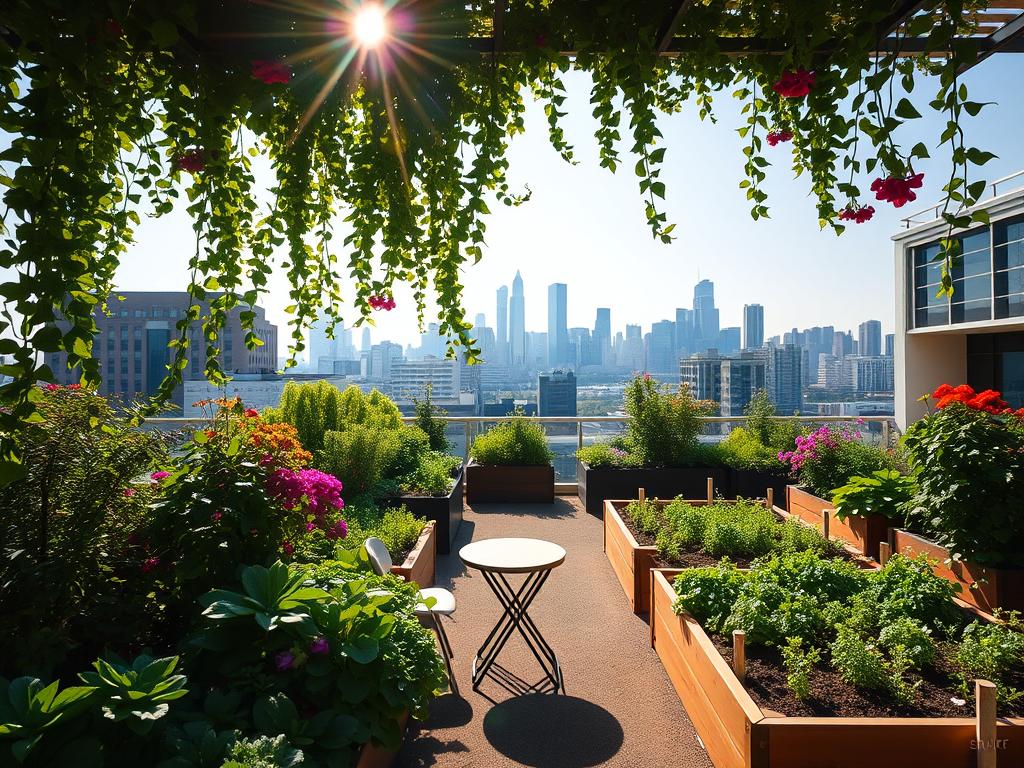
Growing a personal oasis in limited square footage can spark a deep sense of pride. Many find that urban gardening turns a simple balcony or windowsill into a haven of color and vitality. It often begins with a few containers, and that small area soon brims with life.
These tiny retreats do more than supply décor. They connect individuals to nature and nurture a healthier lifestyle. A handful of herb plants or a few dwarf vegetable varieties can thrive with thoughtful planning. This approach invites everyone to embrace the rewards of urban gardening, no matter how tight the space may be.
Understanding Small Space Gardening
Growing plants in small spaces can be rewarding and efficient. Balconies, patios, windowsills, and tiny backyards can hold container plants. Raised beds or vertical supports help use every inch of space.
What is Small Space Gardening?
This method grows plants in tight spots where regular gardening is hard. It turns rooftops or narrow yards into green spaces. People use container plants or window boxes to make it work.
Benefits of Gardening in Limited Areas
People get fresh veggies at home and control what they use. It’s easier to avoid pesticides since each plant is in its own spot. Seeing your food grow right outside can make you feel proud.
Choosing the Right Location
Smart placement is key for home gardening. Each spot has its own sunlight, soil, and privacy. These factors shape your project.
Assessing Sunlight Availability
Most plants need six to eight hours of direct light. Watch the area at different times to find the right spot. Tomatoes and peppers need stable light to grow well.
Evaluating Soil Quality
Soil testing shows pH and nutrient levels. Containers and raised beds can use different mixes if they drain well. Rich compost makes soil better. Use a trusted potting blend like Miracle-Gro to help.
Considering Privacy and Accessibility
Choose a quiet spot to block out noise. A place that’s easy to get to helps with regular care. Having water nearby makes watering easier, keeping plants healthy in the heat.
Selecting Suitable Plants
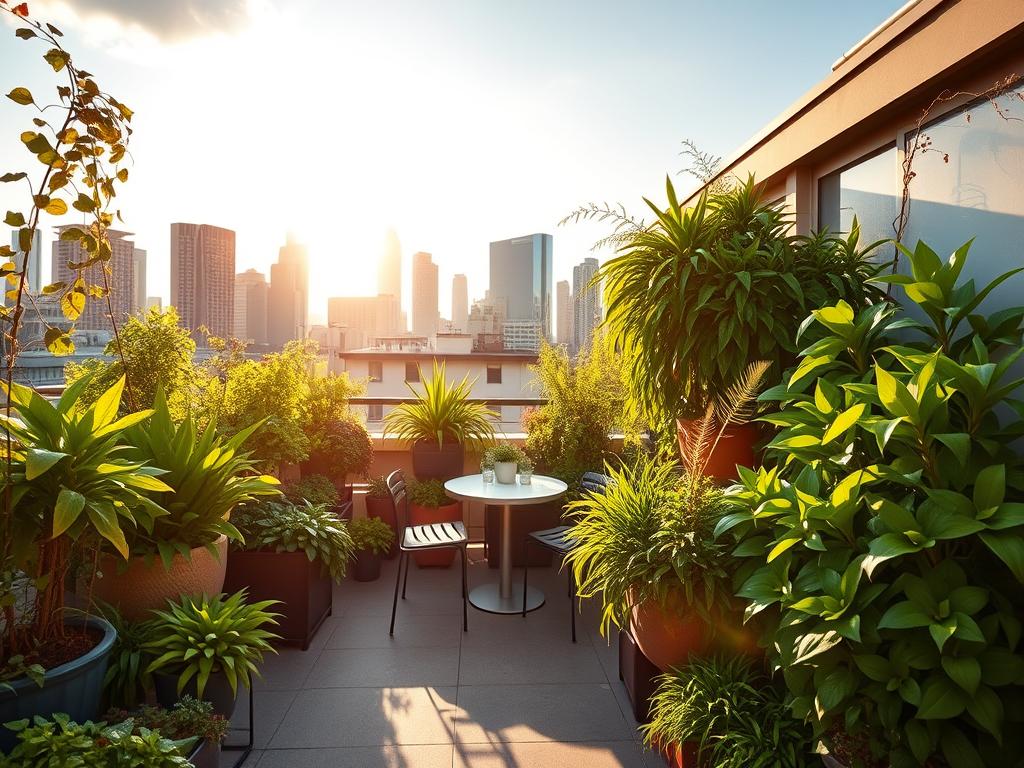
Choosing the right plants can turn tight corners into green oases. Urban gardening uses compact, hardy plants for containers or window boxes. This way, every inch is used well, keeping plants healthy and easy to care for.
Best Plants for Small Spaces
Many herbs and small veggies do great in tight spots. Compact tomatoes and short pepper plants are perfect for balconies. They offer fresh food without taking up too much space.
Hardy herbs like mint, thyme, or rosemary add flavor and fragrance. They don’t take up much room.
- Basil and parsley for aromatic foliage
- Radishes and lettuce that mature quickly
- Strawberries and blueberries for sweet harvests in containers
Edible Options for Container Gardening
Practical favorites add variety to everyday meals. Dwarf Meyer lemon trees give citrus in tight spots. Vegetables like spinach or peppers do well in short planters, keeping harvests plentiful.
Gardeners often pick crops they use most. This keeps fresh food close and supports urban gardening.
Container Options for Gardening
Gardeners often choose containers for tight spaces. They bring color and life to balconies or patios. This way, they can grow plants anywhere.
Types of Containers to Use
Plastic planters are light and easy to move. Ceramic pots and terracotta containers keep warmth. Wooden barrels add a rustic touch.
DIY Container Ideas for Unique Spaces
Creative gardeners use metal troughs or vintage crates. These make unique planters. Self-watering models save time for those who forget to water.
Considerations for Drainage and Material
Good drainage stops roots from getting too wet. Holes at the bottom prevent rot. Strong materials keep plants safe from weather.
Vertical Gardening Techniques
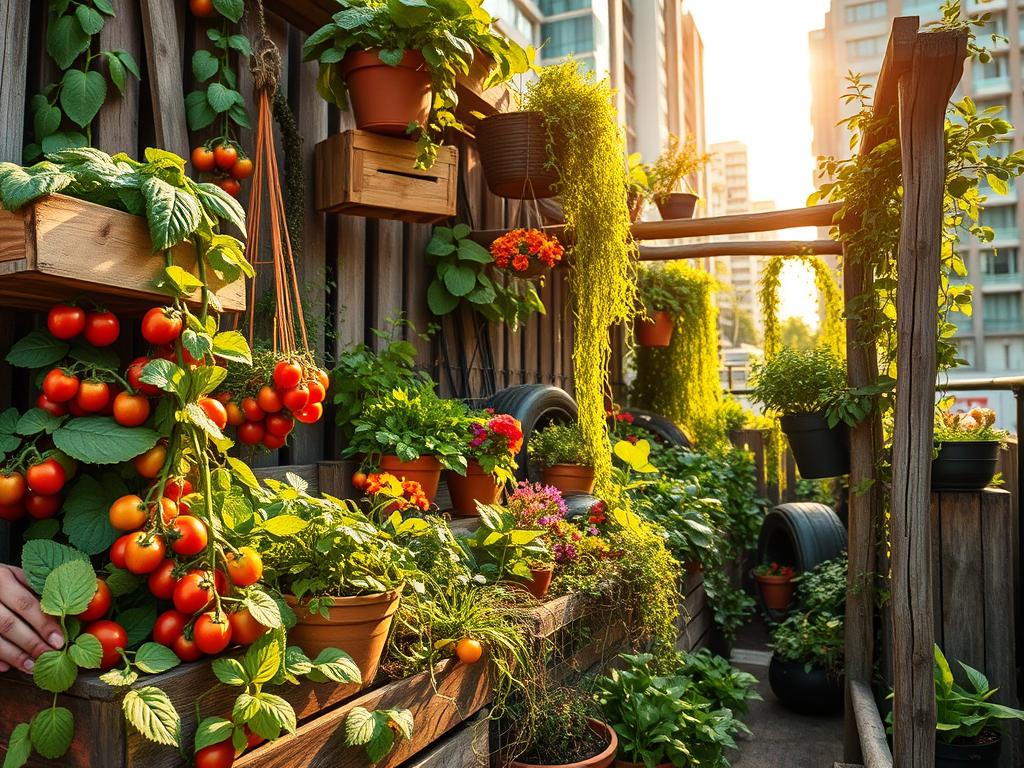
Growing plants up opens new space in small areas. It’s perfect for those who love gardening but have little room. You can use trellises, arches, or mounted containers to add layers for plants.
How to Create a Vertical Garden
Use frames like netting or lattice for climbing plants. Make sure supports are strong for tall vines like cucumbers or beans. You can also hang small pots on hooks for easy access.
- Choose the right support based on plant size.
- Allow proper air circulation and light exposure.
- Secure containers or hanging baskets to protect roots.
Best Plants for Vertical Gardens
Plants that climb or trail are great for small spaces. Pole beans and peas use tall structures well. Morning glories add color, and herbs like rosemary or thyme smell good and look nice.
Using Wall Planters Effectively
Plants with shallow roots do well in wall planters if they drain well. Rosemary or thyme can spill over, creating a beautiful layered look. This way, you make the most of your wall space and show off each plant’s unique growth.
Maximizing Vertical Space
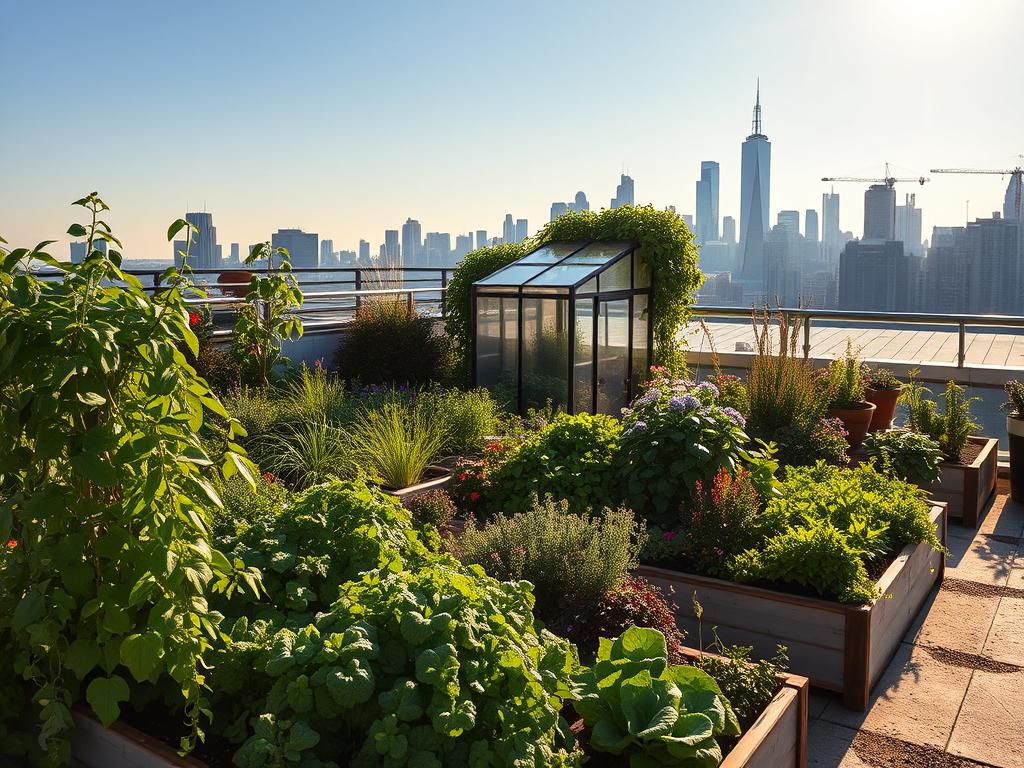
Small areas come alive when plants grow up. This is key in urban gardening, where space is tight. Balconies and small patios can hold basil, flowers, or strawberries on different levels.
Utilizing Shelves and Ladders
Old ladders or strong shelves can be plant stands. Each level has pots with greens or flowers. This saves space and makes areas look better.
Hanging Planters for a Stylish Touch
Hanging planters add a wow factor with cascading blooms. They save floor space and are perfect for balconies or narrow places. This shows the beauty of urban gardening, letting people get creative with plants.
Soil and Fertilization Basics
A strong foundation starts with good soil. In cozy spots, a balanced mix helps a lot. It lets roots breathe and grow well.
Choosing the Right Soil Mix
People often choose light soil for plants in pots. Blends with perlite or vermiculite keep water right. Compost or slow-release stuff gives nutrients slowly.
For more tips, check out this small-space gardening guide.
Understanding Fertilizer Needs
Feeding is key when space is tight. Granules help plants grow steadily. Liquid feed gives a quick boost.
Keeping the soil’s pH balanced is important. This lets plants absorb nutrients better. Adjust feeding times based on plant type and how they look.
Regular care with soil and food makes plants thrive in small spaces.
Watering in Small Spaces
Containers dry out quicker than beds in the ground. A good watering schedule keeps plants strong. It’s key to keep the soil moist but not too wet.
Check soil dryness by feeling it with your finger. On windy or hot days, check more often. The right amount of water keeps roots healthy without causing rot.
Effective Watering Techniques
Watering at the root zone stops splashing that can spread disease. Drip irrigation kits from Gardena or Rain Bird are great. They give a steady flow. Self-watering pots are also handy for busy gardeners.
Tools for Easy Watering
Use light, handheld cans with narrow spouts for exact watering. A compact hose wand is good for tight spots. These tools make watering easier and less stressful.
Seasonal Planting Strategies
Keeping small spaces growing all year is key. Successive planting helps keep the harvest going. Fast-growing plants like radishes make space for bigger ones like tomatoes.
Best Times to Plant in Small Spaces
Spring is great for cool-season crops like peas and lettuce. They do well in cooler weather. When it gets hot, switch to tomatoes for more harvests.
Seed companies like Burpee have varieties that adapt to the seasons.
Rotating Crops for Optimal Growth
Changing what you plant each year keeps pests away and saves nutrients. Mix leafy greens with fruiting plants to balance soil needs. This is crucial in small spaces where soil can get worn out fast.
Planning your rotation helps plants grow strong and keeps you harvesting for longer.
Dealing with Pests and Diseases
Some pests really go after container plants, even more when they’re close together. Aphids or spider mites can show up fast, eating on leaves and making stems weak. Watching these areas every day helps catch problems early.
Experts from the University of Florida say to remove damaged leaves right away. Keeping air moving between pots stops fungus. Also, using good bugs to fight pests is key. This way, we avoid harsh chemicals and keep our plants safe.
Common Pests in Small Gardens
Aphids, slugs, and cabbage worms are common pests. They like container plants because they’re easy to get to. In small gardens, pests can grow fast.
Natural Remedies for Pest Control
Using plants together and making your own sprays is effective. A soap solution or neem oil can stop pests. For more tips, check this resource. Adding ladybugs or lacewings helps too, without using chemicals.
Maintaining Your Small Space Garden
Keeping your garden small and healthy is key. Check for crowded stems or wilted leaves often. This lets plants grow well and makes gardening more fun.
Regular Care and Maintenance Tips
Trim tangled vines and throw away damaged leaves. This helps stems grow strong. Mulching keeps soil moist and protects roots from cold.
Pruning lightly can make plants bloom more. Watching for pests early keeps your garden safe.
Seasonal Cleanup and Preparation
Remove old plants and refresh the soil for each season. In cold areas, use frost covers or move plants inside. In warm places, use shade to protect leaves from too much sun.
Creating a Garden Design Plan
Designing a small-space garden needs careful thought. Raised beds help plants grow well and save water. Mulch and smart watering also save resources.
Interplanting and succession planting make small areas lively and productive. This turns tiny spots into green and busy places.
Planning Your Layout for Aesthetics and Functionality
Planting by height lets sun-loving plants shine. Vertical gardening on trellises or fences saves space. It’s perfect for tomatoes or cucumbers to climb.
Companion planting, like marigolds near peppers, keeps pests away. This makes plants stronger. These ideas are loved by gardeners in the United States.
Incorporating Personal Style Into Your Garden
Mixing flowers and edible plants makes any small space look great. Choosing flowers in favorite colors adds personality. Adding fruit-bearing plants brings fresh harvests.
Simple touches, like decorative planters or herb borders, make spaces welcoming. By combining these ideas, small areas become beautiful and useful. They become a part of the home, full of beauty and purpose.