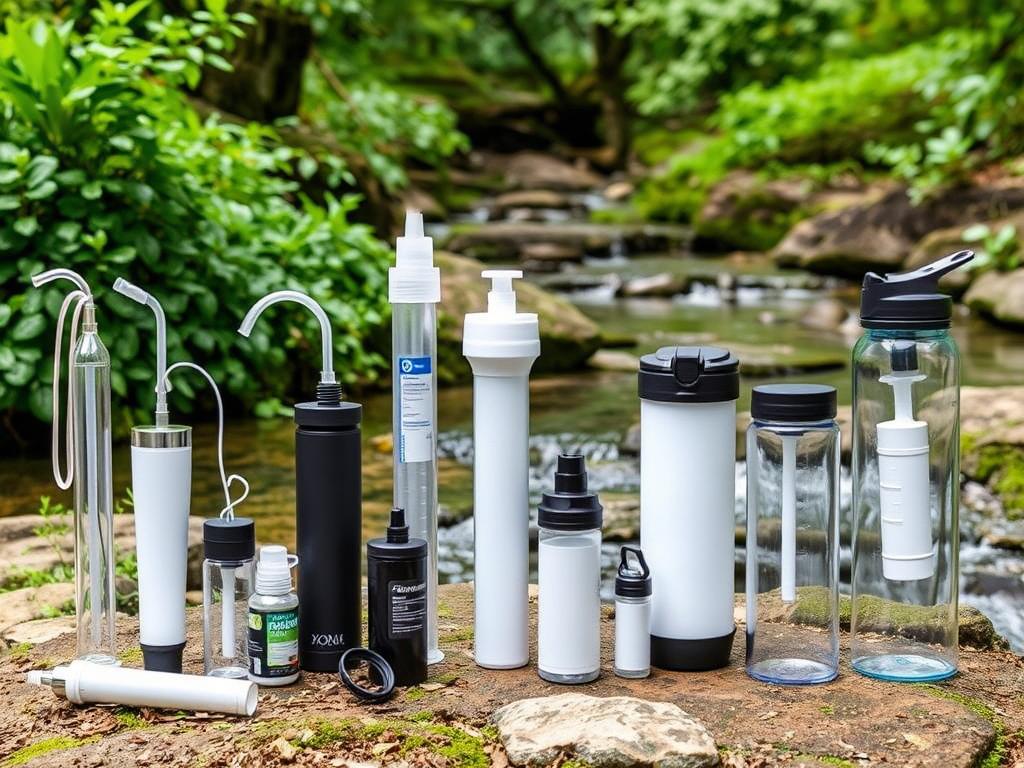
Imagine being on a remote trail, tired and thirsty with no clean water in sight. Portable water filters and survival gadgets can save your life in such moments. They are key for backpacking trips or emergency situations.
Traveling today means you need safe drinking water. This is not just a nice thing to have. It’s a must for staying healthy.
Our world’s water sources can hide dangers like bacteria and viruses. The Sawyer Squeeze filters water fast, and the Platypus GravityWorks holds a lot of water. They are both reliable and efficient.
The LifeStraw is light and removes almost all bacteria. Aquamira Water Treatment Drops are small but powerful. They protect you from harmful germs, but take longer to work.
These tools are not just useful. They also help communities without clean water. Buying one keeps you safe and ready for anything.

We’ll explore the top personal water purifiers in this guide. We’ll look at their features, how they work, and their benefits. Our goal is to help you stay safe and hydrated on your travels.
Overview of Personal Water Purifiers
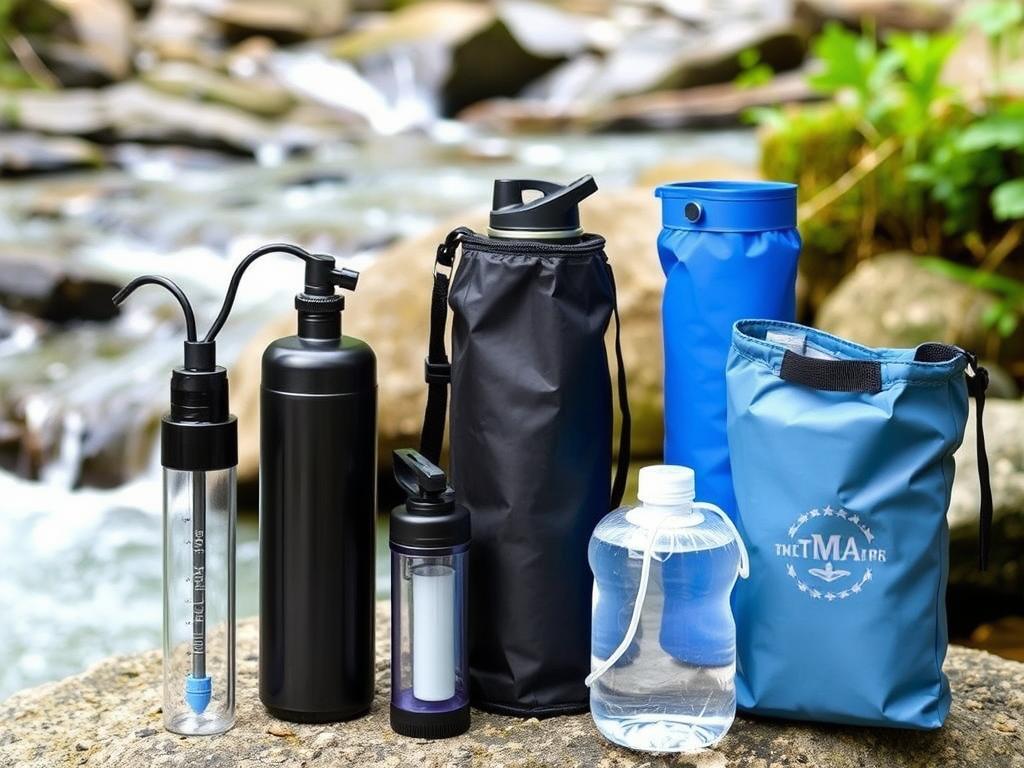
Personal water purifiers are key tools for clean water. They help remove bad stuff from water, making it safe to drink. They’re great for travelers and in emergencies when clean water is hard to find.
Definition of Personal Water Purifiers
These devices are small and have filters to clean water. They get rid of dirt, debris, and germs. They use filters or UV light, not chemicals. Good examples are the LifeStraw Go Water Filter Bottle and the Sawyer Products MINI Water Filtration System.
Importance for Travelers and Emergency Situations
Clean water is key for staying healthy and alive. Travelers often face water that’s not safe. In emergencies, these purifiers can save lives by providing safe water.
Key Features to Consider
When picking a water purifier, think about these:
- Effectiveness: Make sure it gets rid of bacteria, viruses, and other bad stuff.
- Portability: Look for ones that are small and light for easy carrying.
- Ease of Use: Pick ones that are easy to use, so you can get clean water fast.
- Maintenance: Think about how often you’ll need to replace filters or clean it.
Top picks include the LifeStraw Personal Water Filter, the SteriPen Adventurer Opti UV Personal Water Purifier, and the GRAYL GeoPress Water Purifier Bottle. They’re reliable, easy to use, and perfect for living green and being ready for emergencies.
Historical Context of Water Purification
Water purification has a long history, starting with ancient civilizations. Early methods paved the way for today’s clean water tools. We explore the key moments in water purification’s evolution.
Early Methods of Water Purification
In ancient times, people started purifying water. The Egyptians used boiling, sunlight, and sand filters around 1500 B.C. The Greeks and Indians also boiled and strained water to make it taste better.
Hippocrates, a Greek doctor, introduced the Hippocratic sleeve in the third century B.C. It was a cloth filter for water.
The Evolution of Personal Water Purifiers
Water purification methods got better over time. In the 1700s, people used wool, sponge, and charcoal filters at home. These filters improved water taste and safety.
In the 19th century, slow sand filters were used in big water treatment plants. The first one was in Paisley, Scotland in 1804. This was a big step for clean water.
Milestones in Water Purification Technology
Chlorine became a disinfectant in 1909, changing water treatment. John Snow found in 1854 that cholera came from bad water. This led to more chlorine use.
The Safe Drinking Water Act of 1974 set water quality standards in the U.S. It helped make water safer. Companies like Sawyer and LifeStraw have made portable filters. These make clean water easy to get, even in emergencies.
How Personal Water Purifiers Work

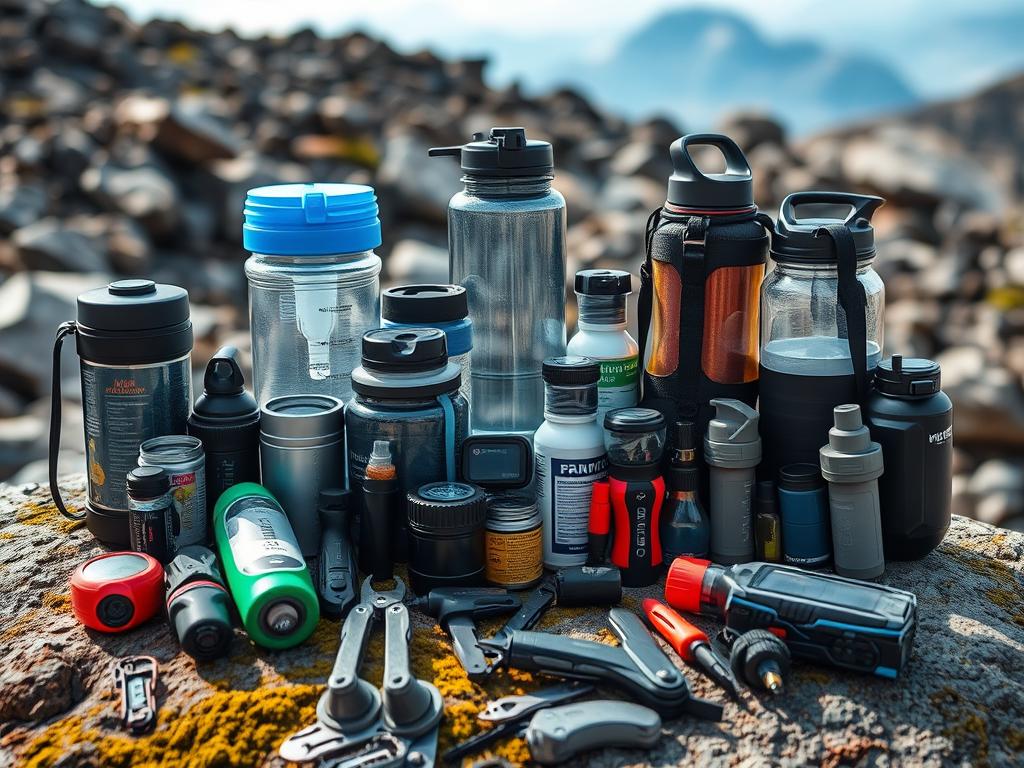
Personal water purifiers are key for travelers, helping in remote areas or emergencies. They clean water through different ways. Knowing how they work helps pick the best portable water filters.
Mechanisms of Filtration and Purification
Personal water purifiers use several ways to clean water:
- Mechanical Filtration: Filters remove big particles and germs. Ceramic filters can catch germs as small as 0.2–0.3 micrometers.
- UV Treatment: UV light kills bacteria, viruses, and protozoa. It’s a common choice for purifiers.
- Chemical Disinfection: Chlorine or iodine kills germs. But, how well it works depends on the germ.
Types of Technologies Used
Different technologies clean water in different ways:
- Activated Carbon Filters: These filters remove particles and bad tastes. They also get rid of harmful chemicals.
- Ceramic Filters: Ceramic filters last a long time. They remove most germs, except some small ones.
- Ultraviolet Light Systems: UV light kills all germs. But, it needs batteries, which can run out.
- Reverse Osmosis: This method can even make seawater drinkable. But, it’s complex and expensive.
The Role of Chemical Treatments
Chemicals are key for water safety, when other methods fail:
- Chlorine and Iodine: These chemicals kill bacteria and viruses. They’re common in portable filters.
- Chlorination By-products: Chlorine can make harmful chemicals if not used right. It’s important to follow the right amounts.
- Supplementary Methods: Modern filters use silver nanoparticles. They help stop germs from growing on the filter.
Knowing how these systems work helps travelers choose the right filters. This ensures they have safe drinking water anywhere.
Principles Behind Water Purification Systems
Water purification systems use science to make dirty water safe to drink. They use adsorption, microfiltration, and coagulants like iron (III) hydroxides and alum. These methods work on different types of water, from clean groundwater to very polluted water.
Scientific Principles of Filtration
Filtration is key in making water clean. It uses physical barriers like membranes with different sizes. Ultrafiltration (UF) membranes block particles up to 0.5 microns.
Reverse osmosis (RO) membranes are even smaller, about 0.0001 microns. This lets only water molecules through, keeping out big impurities.
Nanofiltration (NF) membranes are about one nanometer. They catch contaminants that bigger membranes miss. These methods are vital for survival gadgets to ensure clean water in emergencies.
Understanding Contaminants in Water
To purify water well, you must know what’s in it. Contaminants like protozoa, bacteria, and viruses need different removal methods. UF or NF membranes can filter out protozoa and bacteria. RO membranes can even remove viruses.
Coagulants can treat organic and inorganic particles that make water cloudy. This is important in rivers and canals.
Safety Standards and Testing
Water purification systems must be safe and effective. They must meet government and international standards. They are tested to make sure they remove contaminants well.
Studies show that home water purifiers can lower fluoride levels. This proves they work. Testing, like for the Sawyer Mini and Platypus GravityWorks, shows they meet standards. This gives users confidence in their clean water tools, for everyday use or emergencies.
Benefits of Using Personal Water Purifiers
Personal water purifiers are great for health and lifestyle. They make sure you have clean water, which is key for travelers or those in areas with bad water.
Health Benefits of Clean Water
Using a personal water purifier is a big health plus. Clean water helps avoid waterborne diseases. Viruses like rotavirus and norovirus are hard to filter out, but RapidPure can remove 99.9% of them.
Contaminants like E. coli and protozoan cysts are also targeted by modern tech. Aquasana’s systems keep harmful stuff out while keeping good minerals in, helping your health.
Convenience for Travelers
Travelers love having instant access to safe water. In places like Quito and Cape Town, water quality can be a worry. Personal water purifiers solve this problem, making sure you stay hydrated anywhere.
- Pump water filters with ceramic cartridges
- Straw water filters for lightweight use
- UV purifiers targeting microorganisms
Environmental Considerations
Personal water purifiers also help the planet by cutting down on plastic waste. They reduce the need for bottled water, which is good for the environment. This supports eco living and helps lower carbon emissions from plastic.
Modern purifiers, like reverse osmosis systems, remove bad stuff like chlorine and lead. This means you can drink safely without plastic bottles. It’s good for you and the planet.
Prevention of Unauthorized Access to Clean Water
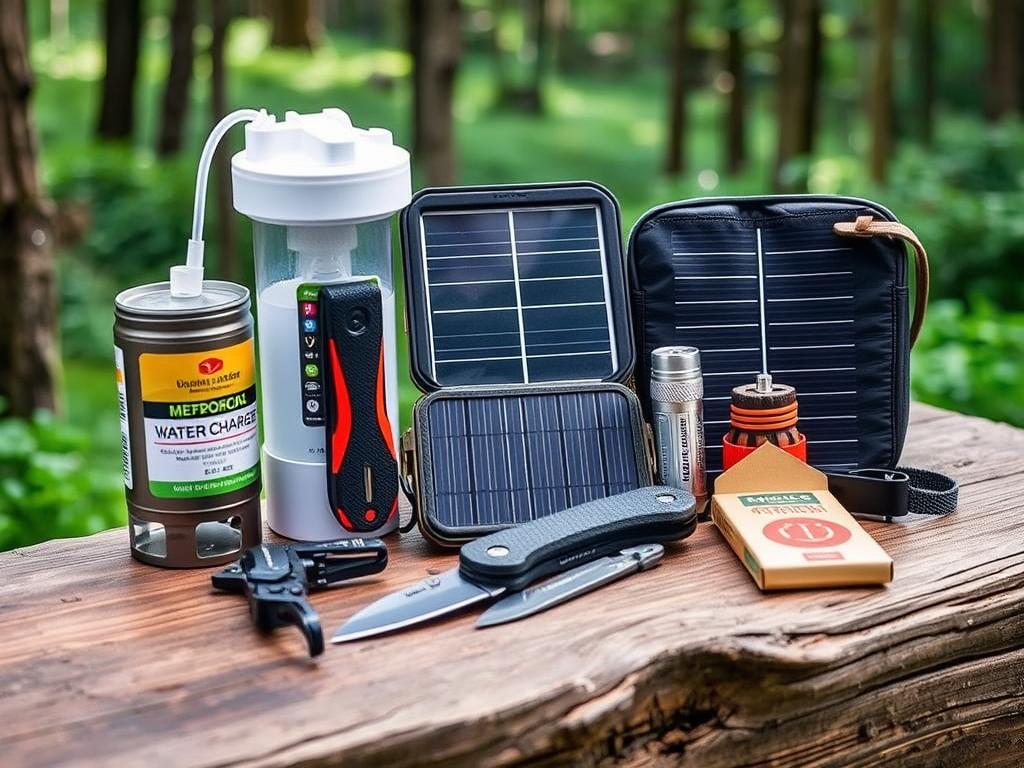
Keeping water safe is very important, more so when there’s a risk of contamination. Water Safety Plans (WSPs) help tackle these risks. They cover everything from where water is collected to when it reaches us.
Knowing what can contaminate water is key. This knowledge helps stop illnesses like diarrhea and typhoid.
Understanding Contamination Risks
Contamination can happen at many points in the water supply. It’s important to spot these risks early. Polluted water can be very harmful.
Climate-resilient WSPs help protect water from extreme weather. They ensure we always have safe water. Regular checks are needed to keep water quality high.
Ways to Secure Water Sources
Keeping water sources safe involves using advanced filters and taking steps to prevent contamination. Fixing leaks and improving water pressure is also important. These steps help keep water clean.
Using eco-friendly methods like collecting rainwater and drip irrigation helps too. These methods increase water supply and reduce contamination. Using water-efficient appliances also helps save water and supports eco living.
Role of Personal Purifiers in Emergency Preparedness
In emergencies, personal water purifiers are very important. They help make water safe to drink. These gadgets are essential in disasters.
Having personal purifiers in emergency kits is smart. It prepares us for times when clean water might be scarce. This way, communities can keep their water safe during tough times.

Implementing WSPs can be hard due to rules and lack of skills. But, it’s important to keep improving. This makes WSPs a key part of daily and emergency work.
Applications of Personal Water Purifiers
Personal water purifiers are very useful in many situations. They help make sure we have clean water, even when it’s hard to find. This is important when regular water sources are dirty or hard to reach.
Travel and Outdoor Activities
Travel accessories like personal water purifiers are key for outdoor lovers. They let you drink from streams and rivers without worrying about germs. The Grayl Geopress, for example, cleans 24 ounces of water in 8 seconds. Its filter lasts for 350 uses, making it perfect for travelers.
Emergency Preparedness Kits
Having clean water tools in emergency kits is very important. Natural disasters can make it hard to find safe drinking water. The Puribag, for instance, removes almost all bacteria and viruses. It’s certified by the EPA and WHO, making it a lifesaver in emergencies.
Long-Term Use in Developing Areas
In places where clean water is rare, personal water purifiers are a big help. The Puribag, for example, is affordable and filters a lot of water. It keeps water safe from harmful stuff, helping to prevent diseases and improve health in these areas.
Tools and Software for Water Purification
Having safe and clean water is key, whether you’re traveling, on an adventure, or preparing for emergencies. There are many portable water filters and clean water tools to help. We’ll look at top products, compare them, and share what users say.
Best Products Available in the Market
The market has many reliable portable water filters. The Katadyn Hiker Micro Filter is a top seller in the U.S. outdoor market. Other great options include the Sawyer Squeeze, LifeStraw, and Platypus GravityWorks. Each has its own special features.
- Sawyer Squeeze: Known for being light and filtering water well, it removes 99.99% of bacteria and protozoa.
- LifeStraw: Easy to use and small, it’s perfect for emergency kits and travel.
- Platypus GravityWorks: It uses gravity to filter lots of water, great for groups.
Comparison of Leading Water Purifiers
Comparing top water purifiers shows their differences. The Katadyn Hiker Micro Filter and Sawyer Squeeze filter water very well. The LifeStraw is light and easy to carry. The Platypus GravityWorks filters more water at once.
The Water Preserver Concentrate can treat up to 55 gallons of water. It keeps water safe for up to five years, making it great for emergency kits.
User Reviews and Recommendations
User feedback is important for clean water tools. The Katadyn Hiker Micro Filter is praised for its durability and performance. The Sawyer Squeeze is loved for fitting with many water bottles. The LifeStraw is simple and easy to use.
In short, there’s a wide range of portable water filters for everyone. From solo travelers to big groups, there’s something for everyone. Users often recommend these tools for keeping water clean on the go.
Step-by-Step Guide to Using Water Purifiers
Having clean water is very important. This is true for everyday use or in emergencies. There are many kinds of water purifiers. Each one works differently and needs different care. This guide will show you how to use them right, keep them in good shape, and get the most out of them.
How to Properly Use Different Types of Purifiers
There are many water purifiers for different needs. Here’s how to use them well:
- Squeeze Filters: Put raw water in the pouch, attach the filter, and squeeze it out. This method removes bacteria and protozoa well.
- Pump Filters: Put the hose in the water and pump it. These filters use ceramic or carbon to clean the water.
- UV Purifiers: Turn on the UV light and mix it with water. The UV light kills bacteria, viruses, and protozoa. Remember, use a pre-filter to remove dirt first.
For more on RO water purifiers, including how to install and maintain them, check out Livpure’s guide.

Maintenance and Care of Personal Water Purifiers
Keeping your water purifier in good shape is important:
- RO systems need to be clean. Clean the outside daily or every other day. Clean the inside every 6 months to a year.
- Change filters every year. Look for cloudy water, low pressure, or bad taste to change them sooner. Filters usually last 12 to 15 months if used right.
- The RO membrane is key for clean water. Replace it every 2 to 3 years. Make sure the water pressure is right to avoid damage.
Tips for Maximizing Efficiency
Here are some tips to get the most out of your water purifier:
- Pressure Management: The right water pressure makes RO membranes last longer and water better.
- Minimize Waste: RO systems waste some water. Use this water for plants or cleaning to live more eco-friendly.
- Regular Checks: Check your purifier often. Look for wear signs, usually in 6 to 9 months. Even with care, parts may need to be replaced after 10–15 years.
By following these tips, your water purifier will work well. It will give you safe, clean water every day or in emergencies. Taking care of these gadgets is not just about working well. It’s also about living in a way that’s good for the planet.
Open PGP and Encryption Standards
Open PGP, or Pretty Good Privacy, is a top-notch encryption tool. It keeps data safe and authentic. It’s a key item for anyone who needs to protect data on the move.
Overview of Open PGP
Open PGP uses a special key pair for data safety. The public key encrypts and verifies, while the private key decrypts and signs. It’s great for keeping emails and data safe, which is vital for travelers and businesses.
Comparison with Other Encryption Standards
Open PGP has unique features compared to other encryption methods. It lets users share public keys easily, like on USB sticks. This makes it easy to send secure messages across different systems. Plus, it has digital signatures to prove who sent the message, adding more security.
Unique Features of Open PGP
Open PGP has some cool features:
- Enhanced Security: Uses both keys for encryption and decryption.
- Flexibility: Works well with tools like Python’s py-pgp package.
- Optional Authentication: Digital signatures confirm the sender’s identity.
These features make Open PGP a strong choice for anyone who values data safety. It’s perfect for keeping emails and files safe while traveling.
Challenges and Limitations of Encryption
Encryption has many benefits, but it also has challenges. These challenges are big for people who are not tech-savvy. Misunderstandings about how well encryption works in water purification are common. This affects how people trust and use clean water tools and survival gadgets.
It’s important to know about these issues. This knowledge helps make sure these technologies work well and are safe for everyone.
Usability Issues for Non-Technical Users
Encryption can be hard for those without a tech background. It’s a strong defense against data theft, but it’s hard to set up and keep running. Companies that make clean water tools and survival gadgets face these problems too.
Teaching people how to use encryption and making it easy to use can help. This way, more people can use and benefit from encryption.
Common Misconceptions about Water Purification
Many people think simple filters can remove all bad stuff from water. But, that’s not true. Advanced gadgets and tools use special filters and UV light to make water safe to drink.
It’s key for users to know what these systems can and can’t do. This helps them make smart choices about their water.
Ongoing Developments in Water Purification Technology
New tech is changing how we purify water. Now, we have smart filters and tools that use the internet. These new tools make water safer and more reliable.
They also use encryption to keep water quality data safe. This makes using these tools safer and more convenient for everyone.
In short, encryption has its hurdles, but new tech in water purification is making things better. Knowing about these new tools and understanding common mistakes can help users get the most out of them.
Conclusion and Recommendations
We’ve looked into the world of personal water purifiers. These tools are key for safe water when traveling or in emergencies. Knowing how they work helps us choose the right one for our needs.
The variety of water purifiers is wide. From small pump filters for groups to big reverse osmosis systems for all needs.
Final Thoughts on Selecting Personal Water Purifiers
Think about your travel or emergency needs when picking a purifier. Consider what contaminants you might face and how easy it is to carry. Pump filters are great for many activities because they’re easy to use and don’t need power.
For long-term use, like in eco living communities, look at advanced systems. The LifeSaver C1 can purify up to 500,000 liters, making it perfect for big needs.
Call to Action for Consumers
Choose a water purifier that fits your lifestyle and safety needs. Options like the iSpring RCC7 remove many contaminants and are affordable. Portable choices like the LifeSaver Emergency Preparedness Packs last over 10 years.
Always check reviews and usability scores. A good purifier keeps you healthy and helps the planet by cutting down on plastic bottles.
Future Trends in Water Purification Technology
Water purification tech is getting better, making it more efficient and easy to use. Soon, we’ll see smart systems that check water and send alerts. These will be part of travel accessories, making them easier to carry without losing quality.
As we need more clean water, new tech will keep bringing us better solutions. This will help people all over the world stay safe and healthy.