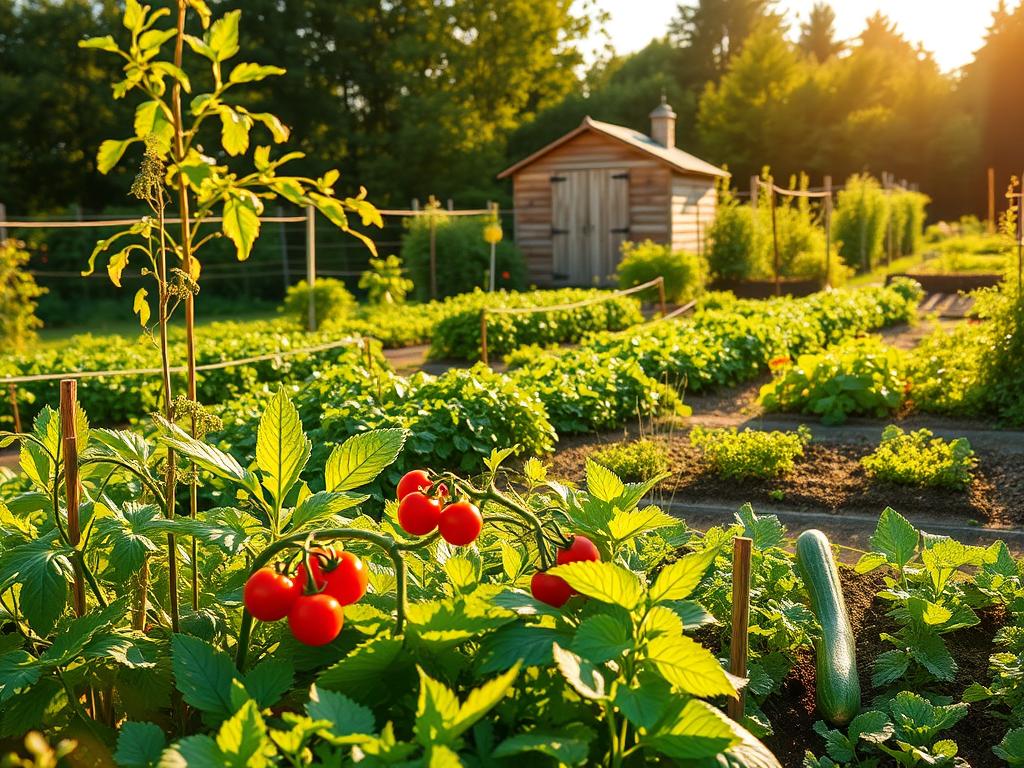
Imagine stepping outside your back door, feeling the breeze carry scents of fresh soil and greenery. Tending to a garden brings a unique peace, connecting you to the earth. Whether you live in the city or suburbs, home gardening is a small haven. It lets you grow organic produce that feeds your body and soul.
Starting to cultivate vegetables at home can be exciting but scary. But don’t worry, this guide will help you overcome your fears. With every seed you plant, you’ll see your hard work grow into a harvest right at your door. Start your vegetable gardening journey and enjoy the fresh food you grow.
Understanding the Basics of Vegetable Gardening
Starting a vegetable garden brings many benefits, like enjoying your own food and helping the environment. Knowing the basics is key to a successful garden. It starts with picking the optimal garden location and learning the essential practices for growth.
Growing your own veggies means having fresh food right at home. These veggies are healthier and taste better. They also help your family eat well and be more self-sufficient. Plus, gardening is good for your mind and body.
Benefits of Growing Your Own Vegetables
- Access to fresh, healthy produce
- Reduction in grocery bills
- Enhanced flavor and nutritional value
- Eco-friendly impact by reducing carbon footprint
Choosing the Right Location for Your Garden
Choosing the right spot for your garden is very important. It should have enough sunlight, good drainage, and be protected from harsh weather. It should also have rich soil for your plants to grow well.
- Ample sunlight exposure: Aim for 6-8 hours of direct sunlight daily.
- Good drainage: Avoid areas that retain water excessively, ensuring that the soil is well-drained yet retains adequate moisture.
- Protection from elements: Choose a location shielded from strong winds and harsh weather, which can damage delicate plants.
- Nutrient-rich soil: Opt for areas with fertile soil or enhance soil quality through composting and proper preparation.
Choosing the right spot can make a big difference in your garden’s success. It shows how important it is to know and follow the basics from the start.
Selecting the Right Vegetables for Your Climate
Gardening success depends a lot on picking the right climate-appropriate vegetables. Each type of vegetable needs different weather conditions. Choosing the right ones means a big harvest and a healthier garden.
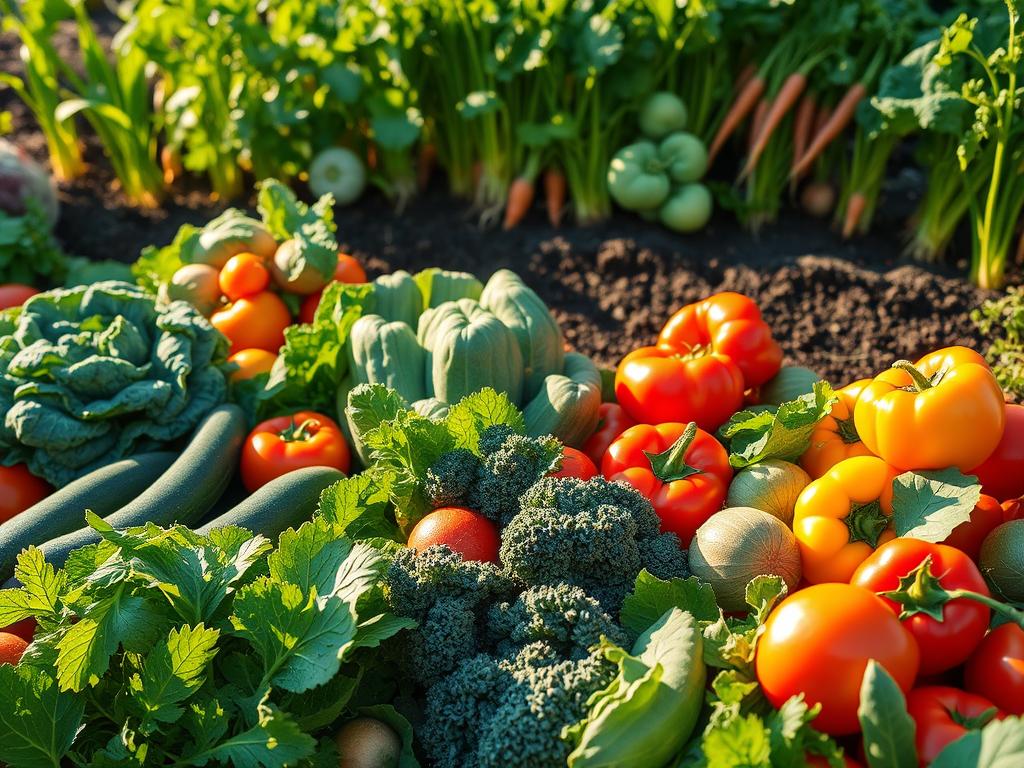
- Cool-season crops like lettuce, broccoli, and peas do well in cool weather. This is when the air is chilly and there’s a bit of frost.
- Warm-season produce such as tomatoes, peppers, and cucumbers need it warmer. They grow best in late spring and summer when it’s hot.
Perennial Vegetables for Year-Round Harvest
- Planting perennial edibles like asparagus, rhubarb, and herbs is smart. They keep coming back, saving you from replanting every year.
Talking to your state’s Cooperative Extension Service can guide you. They help pick the best vegetables for your area’s weather. This way, your plants will grow well and give you lots of food.
Preparing Your Garden Soil for Planting
Every successful vegetable garden starts with good garden soil preparation. It doesn’t matter if you’re new or experienced. Knowing how to prepare your soil is key to success. The right nutrients and pH level help plants grow well and produce lots of veggies.
Testing Soil Quality and pH Levels
First, test your soil quality and soil pH. These tests show if your soil is too acidic, just right, or too alkaline. Getting the pH right is important for nutrient availability and plant health.
Adding Organic Matter and Nutrients
To make your soil better, add organic soil enhancement. Compost or manure do this. They make the soil hold water and air better. This helps roots grow strong and supports healthy veggie growth.
- Do a detailed soil assessment to know what it needs.
- Change the soil pH with lime or sulfur, based on your test.
- Add organic matter every year to keep the soil fertile and structured.
By preparing your garden soil well, you create a great place for veggies to grow. With the right soil, your plants will do well and give you a big harvest.
The Importance of Watering Techniques
Learning efficient watering methods is key for a healthy vegetable garden. Good garden irrigation practices save water and help plants grow well.
Best Practices for Watering Your Garden
- Water deeply but less often to help roots grow strong.
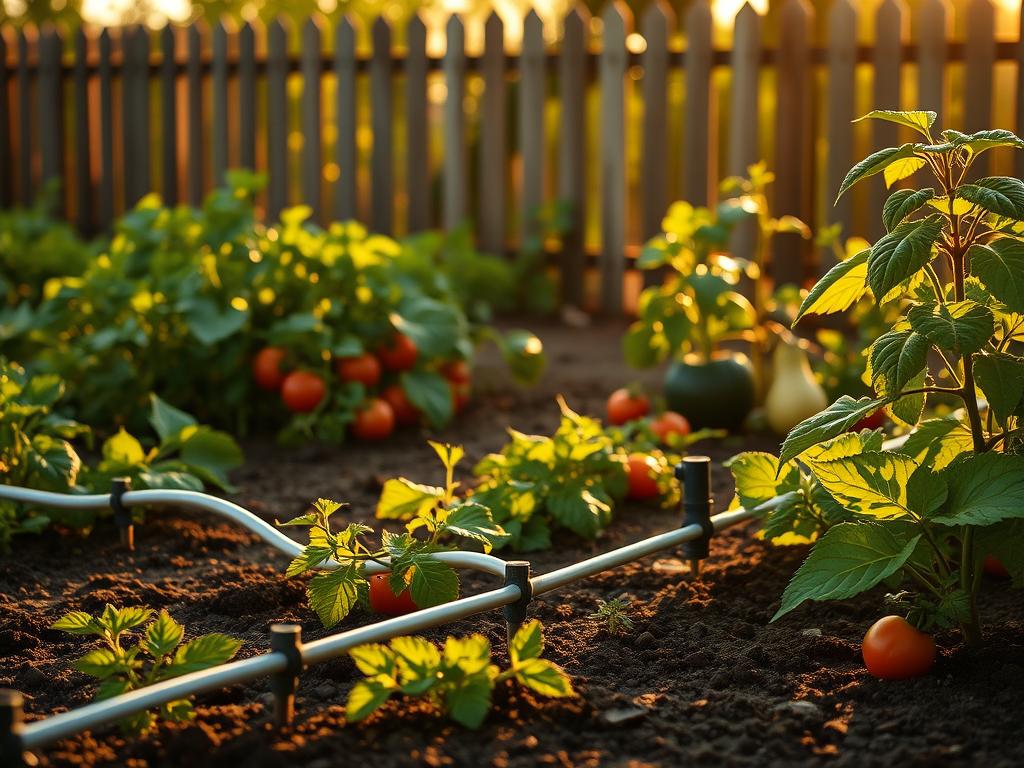
- Use drip irrigation to save water and cut down on evaporation.
- Change how often you water based on the weather. Water more when it’s hot and dry, less when it rains.
Signs of Overwatering and Underwatering
Knowing signs of improper watering is vital for plant health. Too much water can harm plants as much as too little.
- Signs of overwatering: yellow or brown leaves, and plants that wilt even when the soil is wet.
- Signs of underwatering: dry, brittle leaves and plants that don’t grow well.
Watching for these signs helps gardeners adjust their watering. This ensures the right amount of moisture for a healthy garden.
Pest Control and Prevention Strategies
Good pest management in gardens makes your veggies grow strong and healthy. It also keeps gardening green. Using organic pest control keeps nature in balance. This helps plants and beneficial garden insects live well together.
Going for natural pest control is better for the planet. It cuts down on chemical use. This helps the garden and the world around it.
- Natural Pest Control Methods: Plants like marigolds keep pests away. Neem oil sprays also work well. They protect your garden without harming good bugs.
- Recognizing Beneficial Insects: Knowing about ladybugs, praying mantises, and nematodes is important. They help control pests without chemicals.
Using these methods helps plants grow better. It also keeps important insects around. These insects are vital for pollination and controlling pests. So, it’s important to help beneficial garden insects thrive. This makes organic pest control and pest management in gardens work better.
Companion Planting: Friend or Foe?
In gardening, companion planting shows how nature works together. It helps plants grow better by placing them wisely. This is key for a successful garden.
Companion planting is a big part of organic gardening. It uses plants to help each other grow. This way, gardeners can fight pests and make soil better. It also makes gardens more diverse and strong.
What is Companion Planting?
Companion planting means putting plants together that help each other. Some plants keep pests away or attract good bugs. Others give shade or support. It’s all about plants helping each other grow.
Best Vegetable Pairings
When planning your garden, pick the right veggies to pair. Tomatoes and basil are great together. They taste better and keep flies away. Carrots and onions also work well, keeping carrot flies off.
For more pairing ideas, check out this companion planting chart. It shows which plants are good together. This helps your garden grow more without using chemicals.
Using effective plant companionships in your garden is smart. It makes gardening easier and plants healthier. So, companion plants are really helpful in gardening today.
Seasonal Gardening Tips for Beginners
Starting a garden means knowing how to plant for each season. This guide helps with spring gardening advice and fall harvest preparations. It makes sure your garden grows well from start to finish.
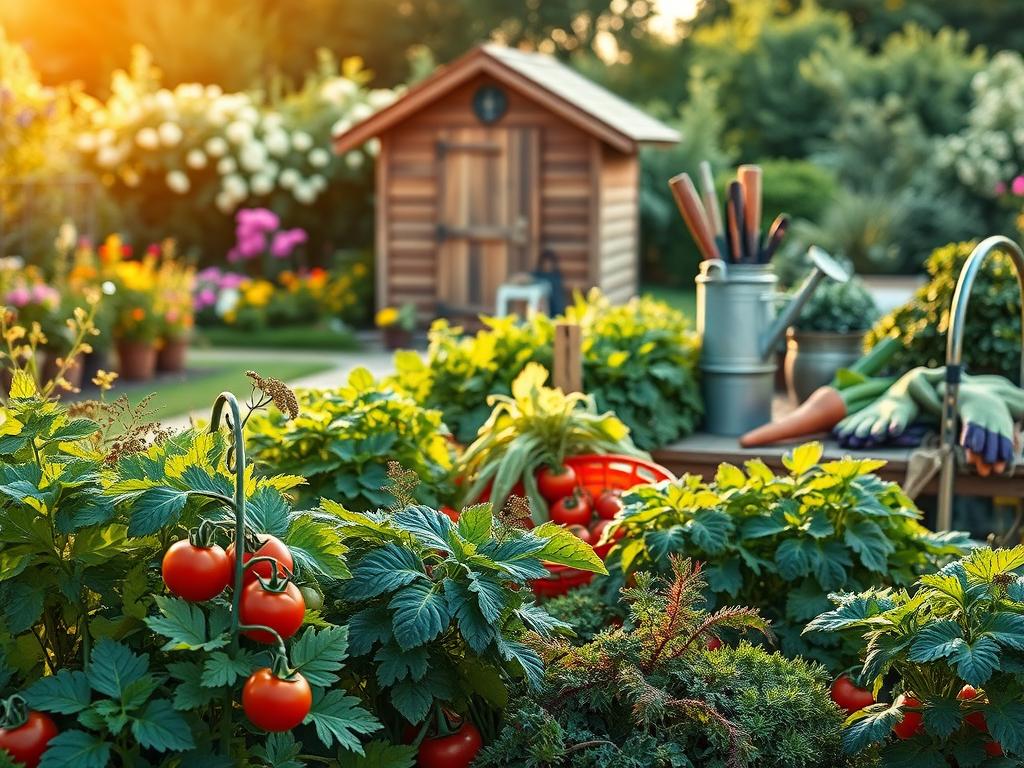
Spring is when gardens wake up. It’s key to follow spring gardening advice for a good season. Start with cool-season crops like lettuce, peas, and spinach. They grow well in spring’s mild weather.
Plan your garden to get the most sunlight. Use raised beds for better drainage and root health.
Fall Gardening Essentials
- Choose veggies that do well in cooler weather, like cabbage and kale.
- Get ready for fall harvest preparations by mulching. It keeps soil moist and protects roots.
- Plant garlic in fall. It grows strong roots for a better harvest next summer.
Adjust your gardening to each season for better results. Each season has its own challenges and chances. With the right prep, your plants will thrive and you’ll have plenty to harvest.
Harvesting Your Vegetables
Timing and technique are key in vegetable harvesting. Knowing when to pick vegetables is important. It affects their taste and nutritional value. Each vegetable has its own signs of being ready, like color changes or softer skin.
To get the best results, follow harvesting best practices. These help keep vegetables fresh from garden to table. Here are some tips on when and how to pick different vegetables.
When to Harvest Different Vegetables
- Tomatoes: Ready when they are fully colored and slightly soft to the touch.
- Carrots: Harvest when they are bright in color and firm in texture.
- Leafy Greens: Best picked early in the morning when they are most crisp.
- Peppers: Depending on variety, can be harvested when they reach the desired color and size.
Proper Harvesting Techniques
- Use clean, sharp shears to cut vegetables cleanly without damaging the plant.
- Avoid pulling or twisting vegetables which can harm the plant and reduce future yield.
- Handle harvested vegetables gently to prevent bruising.
- Store appropriately immediately after harvesting to preserve freshness.
By following these tips, gardeners can pick their vegetables at the best time. This makes the garden’s harvest more enjoyable. It also helps keep the garden healthy and productive for many seasons.
Troubleshooting Common Gardening Issues
Every gardener dreams of a lush vegetable garden. But pests and diseases often get in the way. To solve these problems, start by finding the cause. This could be pests or bad weather.
Using eco-friendly pesticides like Sevin Insecticides helps. They kill pests without harming the garden’s balance. By using these methods, you can keep pests away from your veggies.
Dealing with Pests and Diseases
Pests and diseases can ruin your garden. Spotting them early is key. If you see chewed leaves or wilted plants, act fast.
Always follow the instructions on pest control products. This keeps your garden safe. You can use barriers, natural helpers, or organic sprays. The goal is to keep pests away without harming the environment.
Solutions for Poor Growth and Yield
Poor growth and yield need fixing. Check if your garden gets enough sunlight and has good soil. Also, make sure it has the right nutrients.
Fixing these issues can make your garden grow better. Just change the garden’s layout for more sunlight. Or add organic compost to the soil. With these steps, your garden can become a fruitful source of fresh food.