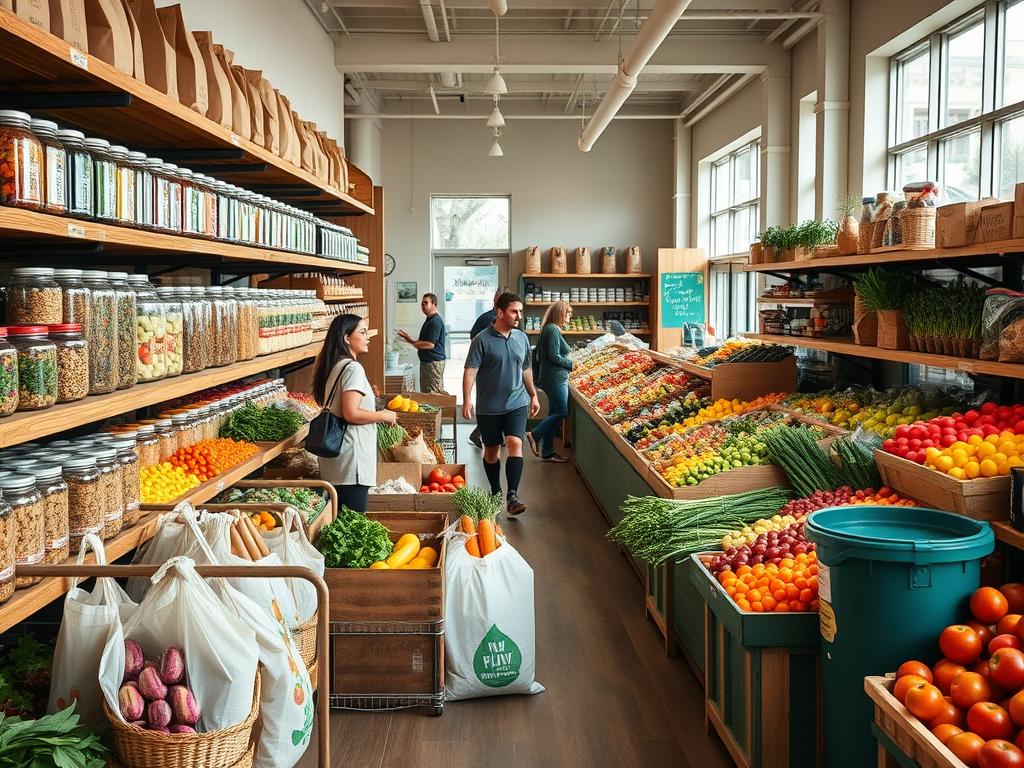
Imagine you’re in a busy supermarket. You see lots of plastic-wrapped food and packaged items. This sight made me feel overwhelmed in 2019 when I learned about zero waste grocery shopping. It changed how I see food and the environment.
Zero waste grocery shopping is more than a trend. It helps us reduce waste and save money. It’s about making choices that help our wallets and the planet.
Starting to shop sustainably is easy. Use reusable bags and containers. Buy things in bulk and choose items without packaging. It’s not about being perfect, but making progress. Zero waste shopping can make your food healthier and connect you more with your food sources.
Are you ready to start plastic-free shopping? This guide will help you learn how to shop zero waste. We’ll cover planning your first trip and solving common problems. You’ll learn how to make your kitchen more eco-friendly, one trip at a time.
Overview of Zero Waste Grocery Shopping
Zero waste grocery shopping is becoming more popular. It helps reduce food waste and supports sustainable shopping. Let’s look at what makes this shopping method green.
Definition of Zero Waste
Zero waste shopping means less or no packaging waste and food waste. It uses reusable containers and buying in bulk. The aim is to shop without disposable packaging.
Importance in Today’s Context
Zero waste shopping is more important now because of environmental worries. A lot of waste comes from packaging. Americans throw away a lot of plastic packaging waste each year.
By choosing zero waste, we can lessen this problem.
Goals and Principles
The main goals of zero waste shopping are:
- Less single-use plastics
- Less overall waste
- More sustainable buying
Key principles include planning meals, using reusable containers, and picking items without packaging. This helps local farmers and promotes careful buying. Over 1,300 zero-waste stores in the U.S. offer more green shopping choices.
History of Zero Waste Movement
The zero waste movement started in the 1970s. Back then, people began to care more about the environment. In 1976, Berkeley started a plan to save reusable items and reduce landfill space.
Origins of Zero Waste
In the 1980s, Daniel Knapp came up with the Total Recycling idea. It aimed for no burning, no landfilling, and full materials recovery. In 1995, Lynn Landes created the Zero Waste USA website. This helped spread the idea of changing waste habits.
Key Milestones in Its Evolution
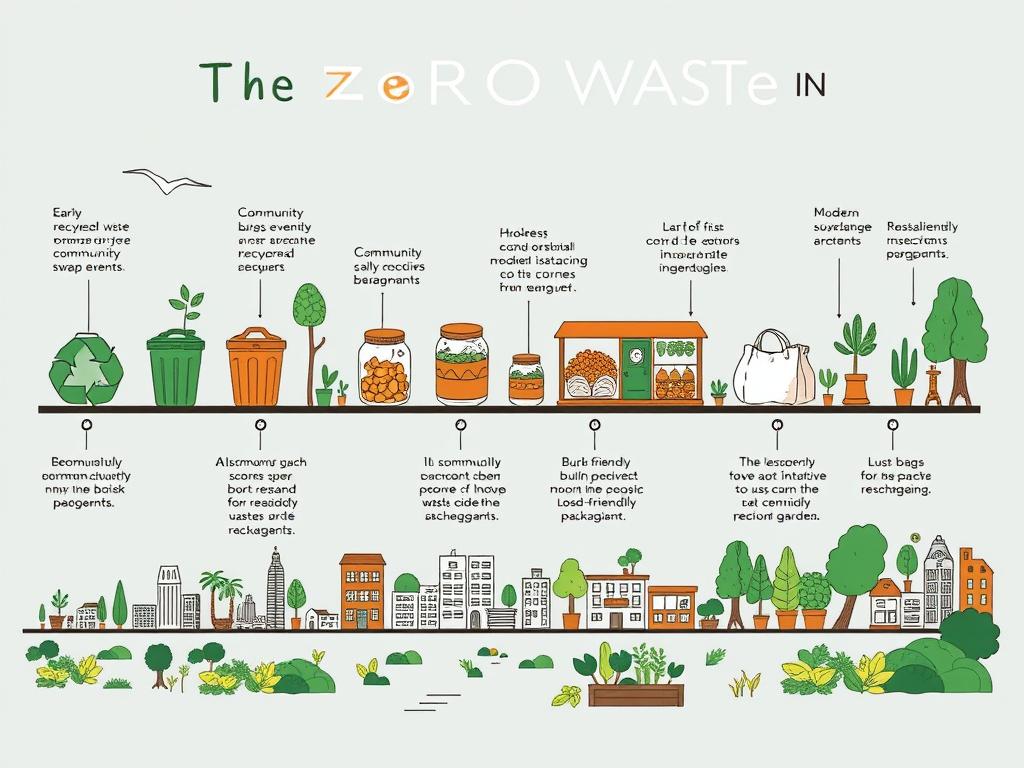
The movement grew in the 1990s and early 2000s:
- 1995: Canberra, Australia becomes the first city to adopt an official zero waste target
- 1997: New Zealand establishes The Zero Waste New Zealand Trust
- 2000: California adopts an official zero waste strategy
- 2001: Zero Waste International Alliance holds its first summit
The Impact of Environmental Awareness
Environmental awareness has pushed the zero waste movement forward. Bea Johnson’s blog “Zero Waste Home” and Lauren Singer’s mason jar challenge have inspired many. Now, stores offer more zero waste alternatives, showing people want eco-friendly products.
How Zero Waste Grocery Shopping Works
Zero waste grocery shopping means less waste and more green living. It fights the huge problem of plastic waste. Since the 1960s, we’ve made 8.3 billion tons of plastic.
The Concept of Reduce, Reuse, Recycle
The “reduce, reuse, recycle” rule is key in zero waste shopping. People use reusable bags and containers to avoid waste. Buying in bulk helps too, since it cuts down on packaging.
The Role of Local Producers and Farmers
Farmers markets are important in zero waste shopping. They use less packaging and offer fresh food. Buying local also cuts down on emissions and waste.
Managing Food Waste Effectively
Managing food waste is crucial in zero waste shopping. Good meal planning and storage are important. Composting helps too, by keeping organic waste out of landfills.
- Use reusable containers for shopping
- Buy in bulk to reduce packaging
- Support local farmers markets
- Plan meals to minimize food waste
- Compost organic waste
By following these steps, we can all help reduce waste and support our planet.
Principles of Zero Waste Grocery Shopping
Zero waste grocery shopping aims to cut down on waste. It leads to buying more mindfully, saving food and money. Let’s look at the main ideas behind this green practice.
Prioritizing Natural and Organic Products
Choosing natural and organic products is key. They usually have less packaging, which is better for the planet. Shopping at local markets helps reduce carbon emissions and builds community bonds.
Using Reusable Containers and Bags
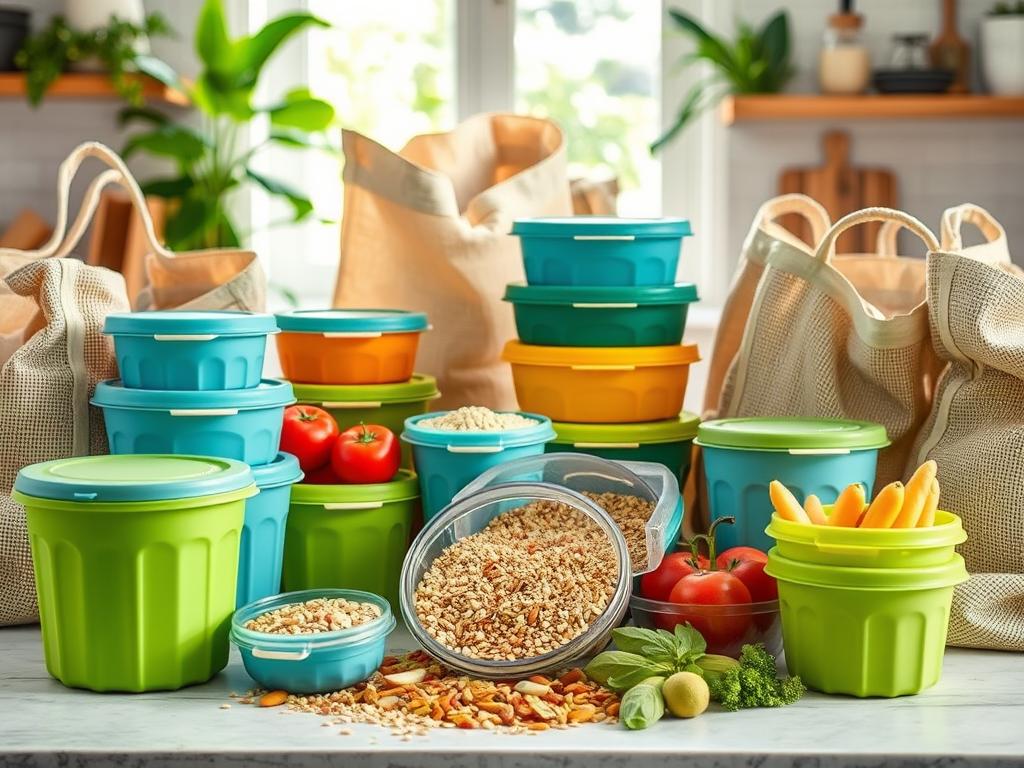
Reusable containers are vital for zero waste shopping. Use cloth bags, glass jars, and produce nets for your items. This simple change greatly reduces single-use plastics and packaging waste.
Emphasizing Bulk Buying for Savings
Bulk buying is a big part of zero waste shopping. Buying from bulk bins means less packaging and only what you need. It’s great for dry goods, spices, and more. It saves money and cuts waste.
Starting zero waste shopping takes time. Begin slowly, adding these habits to your life. As you go, making eco-friendly choices gets easier, helping our planet.
The Role of Community in Zero Waste
Community support is key in promoting sustainable food shopping and zero waste. Local networks help make eco-friendly living easy and fun for all.
Building Local Support Networks
Zero waste groups and online forums offer tips and support for a green lifestyle. They connect people, creating a space to share and learn from each other.
Shared Resources and Tools
Community gardens and food co-ops are great for sharing resources. They help grow food, cut down on packaging, and support local farmers. Tool libraries also help by reducing the need for buying new tools, which cuts down on waste.
Participating in Local Events and Workshops
Local events and workshops are vital for teaching zero waste practices. They cover skills like composting and making DIY cleaners. Events like farmers’ markets, repair cafes, and clothes swaps also encourage sustainability and reuse.
- Community recycling events collect various items, including soft plastics, e-waste, and batteries
- Partnerships with local businesses support recycling initiatives
- Social media platforms connect over 35,000 followers interested in sustainable living
Getting involved in these community efforts can greatly reduce our impact on the planet. The Global Footprint Network says we use resources like 1.7 Earths. Together, we can make a big difference and create a greener future.
Benefits of Zero Waste Grocery Shopping
Zero waste grocery shopping is great for the planet and for us. It’s becoming more popular in the U.S. as people want to live more sustainably.
Environmental Impact: Reducing Footprint
Zero waste shopping cuts down on food waste and plastic pollution. The old way of shopping adds to the 300 million tons of plastic made every year. Zero waste helps by using reusable bags and containers, reducing waste that takes ages to break down.
Financial Advantages of Buying in Bulk
Buying in bulk saves money. It cuts down on packaging costs. This way, you only buy what you need, saving money and reducing waste.
Improved Health and Nutritional Choices
Zero waste stores focus on fresh, organic foods. This means healthier choices without bad chemicals. Shopping for local produce in bulk supports your health and local farmers.
- Reduce plastic waste and environmental impact
- Save money through bulk buying and reduced packaging costs
- Make healthier food choices with fresh, unprocessed options
- Support local producers and sustainable practices
Prevention of Unauthorized Access in Zero Waste Practices
Zero waste grocery shopping is more than just cutting down on waste. It also means thinking about ethics. As more people shop sustainably, they worry about privacy and keeping their data safe.
Importance of Privacy and Data Protection
Shoppers using apps to track their buys and find local farmers need to protect their info. It’s key to be careful with the data you share. This helps keep your personal info safe.
Ethical Concerns in Grocery Shopping
Ethical shopping is not just about less waste. It’s also about fair trade, local support, and good work conditions. Sustainable shopping means looking at the whole supply chain. Make sure the brands you choose match your values.
By tackling these issues, zero waste shopping helps more than just the planet. It also helps people and society. This way, sustainable shopping is good for everyone.
- Be mindful of personal information shared in shopping apps
- Support fair trade and local economies
- Research brands to ensure ethical labor practices
- Consider the entire supply chain when making purchases
Applications of Zero Waste Grocery Shopping
Zero waste grocery shopping is more than just a habit. It changes how we live and connects us with our community. Let’s see how it affects our lives in different ways.
Personal Lifestyle Changes
Living zero waste changes our daily lives. Meal planning helps avoid food waste. Composting turns scraps into soil. Making our own products reduces packaging.
These small steps make a big difference. They help reduce waste in landfills.
Collaboration with Local Businesses
Local businesses are key in zero waste efforts. Many now offer products without packaging. This is important because packaging makes up 23% of landfill waste.
By supporting these efforts, we encourage more businesses to go green.
Community Gardens and Food Co-ops
Community gardens and food co-ops are becoming more popular. They provide fresh, package-free food and strengthen neighborhoods. Food co-ops offer bulk shopping, cutting down on waste.
The effects of these efforts are huge. In 2018, only 8.7% of plastics were recycled. Zero waste grocery shopping is a practical way to cut down on waste.
By focusing on community projects, we can make lasting changes in how we consume food and manage waste.
Tools and Software for Zero Waste Shopping
Eco-conscious shoppers now have many digital tools to help. These apps and platforms make buying food in a green way easier. They help cut down on waste and save money too.
Apps for Tracking Waste and Purchases
Apps like Ailuna help track waste and food buys. It lets users set goals for a zero-waste life. It also cuts down on energy use, making it a great tool for living green.
Resources for Finding Local Farmers
Finding local farmers is key for green food shopping. Apps like Olio connect buyers with farmers nearby. This supports local farms and cuts down on food travel’s carbon footprint.
Budgeting Tools for Zero Waste Initiatives
Apps like Too Good To Go offer deals on food that would be thrown away. This helps shoppers save while also reducing waste. It shows zero waste shopping can be good for the planet and your wallet.
More people want to live zero waste, thanks to new digital tools. As people and rules push for more green living, these apps are becoming more popular. They help support eco-friendly choices.
Step-by-Step Guide to Adopting Zero Waste Practices
Starting to shop without plastic is easy with the right steps. This guide will show you how to shop zero waste with ease.
Preparing for Your First Zero Waste Trip
Get ready for your first zero waste trip by gathering key items. Bring reusable bags, containers, and produce nets. Mason jars are great for buying in bulk. A 32oz jar weighs about 1.02lbs, and a 16oz jar is around 0.65lbs.
Choosing the Right Stores
Find stores that support zero waste shopping. About 75% of stores like Sprouts and Whole Foods offer bulk items. They have grains, beans, and snacks without packaging. Farmers’ markets also support eco-friendly shopping and cut down on food transport emissions.
Creating a Zero Waste Shopping List
Plan your shopping list with whole foods and bulk items in mind. Start by replacing a few packaged items with package-free ones. As you get more comfortable, add more zero waste items to your list. Buying in bulk can save money since these items are cheaper without packaging.
- Bring your own containers for bulk items
- Choose loose produce over pre-packaged options
- Opt for package-free alternatives when possible
- Prioritize local and seasonal products
By following these steps, you’ll be well on your way to mastering plastic-free shopping. Every small change helps in the zero waste journey.
Challenges and Limitations of Zero Waste Grocery Shopping
Shopping for sustainable food has many benefits. But, eco-conscious shoppers face big challenges. These hurdles affect how we shop and the market itself.
Accessibility Issues for Low-Income Families
Zero-waste products are often pricey. This is because they support fair labor and unique production. Low-income families find it hard to afford these items.
Stores that sell package-free items are not always easy to find. This makes it tough for many people to shop there.
Time Commitment and Convenience Factors
Living zero waste takes a lot of time. You need to find products, make things from scratch, and do DIY projects. This can be hard for those with busy lives.
Shopping online for zero waste items has its own problems. You have to deal with packaging issues and find real zero-waste online stores or local pickup spots.
Misconceptions and Market Availability
The market doesn’t have enough zero-waste products yet. This means people have to settle for less than perfect items. It’s hard to believe you can completely avoid waste.
But, stores like Rainbow Grocery Store in San Francisco and Package Free in Brooklyn are making things better. They offer hope for those trying to live more sustainably.
FAQ
Q: What is zero waste grocery shopping?
A: Zero waste grocery shopping means buying food and items without packaging. It uses reusable containers and bulk buying. This helps reduce waste and saves resources.
Q: How can I start zero waste grocery shopping?
A: Start by getting reusable bags and containers. Look for stores that sell in bulk. Make a list of whole foods and bulk items.
Begin by replacing a few items with no packaging. As you get used to it, add more.
Q: What are the benefits of zero waste grocery shopping?
A: It reduces waste and saves resources. You might also save money by buying in bulk. Plus, it promotes healthier eating and mindful shopping.
Q: Are there any challenges to zero waste grocery shopping?
A: Yes, it can be hard for some. Finding stores without packaging is tough in some places. It also takes time and effort.
Pre-packaged foods are easy but not good for the planet. Where you live affects what’s available.
Q: What tools can help with zero waste grocery shopping?
A: Apps like Litterless help find zero waste stores. Others track waste and food. Online resources find local farmers.
Budgeting tools help see savings from buying in bulk. This makes it easier to stick to zero waste.
Q: How does bulk buying contribute to zero waste shopping?
A: Buying in bulk cuts down on packaging. It saves money too. You use your own containers, reducing waste even more.
Q: Can zero waste grocery shopping save money?
A: Yes, it can. Buying in bulk saves on packaging costs. Eating whole foods and reducing waste also cuts down on bills.
Q: How does zero waste grocery shopping impact the environment?
A: It greatly reduces waste and saves resources. It also cuts down on single-use plastics. Buying local produce is better for the planet.
It encourages mindful shopping, reducing waste and resource use.
Q: What role does the community play in zero waste grocery shopping?
A: The community is key. Local groups and forums offer support and tips. They share resources and knowledge.
Events and workshops spread awareness and teach skills. This makes zero waste living easier and more fun.
Q: How can I manage food waste effectively in zero waste grocery shopping?
A: Plan meals carefully to avoid waste. Store food right to keep it fresh longer. Use all parts of produce.
Compost food scraps. Apps help find deals on items near expiration. This reduces waste.
Source Links
- https://ecofriendlybliss.com/zero-waste-grocery-shopping/ – Zero Waste Grocery Shopping: Tips, Tricks, and Must-Have Items
- https://greenlivingmag.com/reduce-waste-grocery-shopping/ – Going Grocery Shopping – Tips on How to Reduce Waste
- https://keepitsimplelovely.com/sustainable-living/zero-waste-lifestyle-tips/ – 15+ Zero Waste Lifestyle Tips: How To Minimize Waste When Grocery Shopping – Keep It Simple Lovely
- https://ecolunchboxes.com/blogs/news/the-trend-of-zero-waste-grocery-shopping?srsltid=AfmBOooDuTOrrYw9Wyf3cR7XiS3ULhP_MPMIKfVdvBf4qjVZCGhwVZuv – Zero Waste Grocery Shopping
- https://www.todaysdietitian.com/newarchives/1124p30.shtml – The Rise of the Zero-Waste Grocery Store
- https://www.zerowaste.com/blog/what-is-it-who-started-the-zero-waste-movement/ – Who Started the Zero Waste Movement? – Zero Waste
- https://www.trvst.world/waste-recycling/history-of-zero-waste/ – History of Zero Waste, From Its Beginnings to Modern Day
- https://ecocart.io/zero-waste-grocery-shopping/ – The Zero Waste Grocery Store: The Rise of Waste-Free Groceries
- https://believe.earth/en/the-sustainable-market-how-zero-waste-shops-work/ – The Sustainable Market: How zero-waste shops work – Believe Earth
- https://tru.earth/blogs/tru-living/sustainable-shopping – Sustainable Shopping: A Guide to Zero Waste Grocery Choices
- https://dojobusiness.com/blogs/news/zero-waste-grocery-store-complete-guide – Here’s how you open a profitable zero waste grocery shop
- https://www.recycleannarbor.org/knowledge-base/zero-waste-community – Zero Waste Community
- https://www.recyclesmart.com/blog/empowering-local-communities-for-a-zero-waste-future – Empowering local communities for a Zero-Waste future — RecycleSmart
- https://www.zerowaste.com/blog/zero-waste-communities-across-the-globe/ – Zero Waste Communities around the World | zerowaste.com
- https://www.chasingverde.com/10-beneficial-reasons-to-shop-at-zero-waste-stores/ – 10 Beneficial Reasons to Shop at Zero Waste Stores
- https://regenwaste.com/re-gen-waste-news/the-benefits-of-zero-waste-shops/ – The Benefits of Zero Waste Shops – Re-Gen Waste Management
- https://www.lauderhillmall.net/news/can-you-really-do-zero-waste-grocery-shopping.html – Can You Really Do Zero Waste Grocery Shopping? – Lauderhill Mall
- https://www.zerowastedesign.org/02-building-design/d-best-practice-strategies-all-buildings/ – Residential, Commercial & Institutional Best Practice Strategies
- https://www.unep.org/news-and-stories/story/eight-ways-overcome-waste-pollution-crisis – Eight ways to overcome the waste pollution crisis
- https://zerowaste.org.ua/about-zero-waste/ – About Zero Waste – Zero Waste Alliance Ukraine – Official
- https://ecolunchboxes.com/blogs/news/the-trend-of-zero-waste-grocery-shopping?srsltid=AfmBOoqAcfWToBp8s6Oa3OGv5cpmt1Zxc-pu7xIp8wcht7Tf4leencgQ – Zero Waste Grocery Shopping
- https://www.popsci.com/diy/zero-waste-grocery-shopping/ – How to go zero-waste at the grocery store
- https://www.cnbc.com/2018/10/19/zero-waste-markets-want-to-shake-up-grocery-shelves-and-your-shopping.html – Zero-waste stores pop up in the US, targeting shoppers tired of all the waste
- https://jeremycthomas.medium.com/6-apps-that-help-you-get-to-zero-waste-fda3ba02eb70 – 6 Apps that Help You Get to Zero Waste
- https://www.rubicon.com/news/rubicon-pioneers-the-zero-waste-future-of-the-grocery-sector/ – Rubicon Pioneers the Zero-Waste Future of the Grocery Sector | Rubicon
- https://www.goingzerowaste.com/blog/2016-3-14-ultimate-guide-to-zero-waste-grocery-shopping/ – How to Shop Zero Waste at the Grocery Store – Going Zero Waste
- https://www.therefillshoppe.com/blogs/retopia/your-guide-to-zero-waste-grocery-shopping/?srsltid=AfmBOopM7C3EDmkgoooDe5IPBlZre3wZrptK4lBCWxsjWuORmMtXnonD – Your Guide to Zero-Waste Grocery Shopping
- https://www.rts.com/blog/the-ultimate-guide-to-starting-zero-waste-journey/ – The Ultimate Guide to Starting your Zero Waste Journey – Recycle Track Systems
- https://www.chasingverde.com/7-key-drawbacks-of-zero-waste-shopping/ – 7 Key Drawbacks of Zero Waste Shopping
- https://oceanblueproject.org/4-problems-with-the-way-we-shop-for-food/ – 4 Problems With the Way We Shop for Food | Ocean Blue Project
- https://ecolunchboxes.com/blogs/news/the-trend-of-zero-waste-grocery-shopping?srsltid=AfmBOooSpWud46jMM47evQ-S9BWNcmHZQp8h76LWdvsBTTl3fJcbLqYk – Zero Waste Grocery Shopping