The last ten years have seen a big change in healthcare. New medical discoveries have changed what we thought was untreatable. This has led to new treatments that deeply impact people’s lives.
Dr. Michael Roizen and his team at the Cleveland Clinic have led this change. They have brought about life-changing innovations.
Labs have uncovered the secrets of the microbiome. Hospitals have seen new hope for leukemia patients with immunotherapy. These advances show our ability to overcome big challenges.
They have made a big difference in healthcare. For example, car safety features have cut down on fatal accidents. Bioabsorbable stents have helped people avoid heart disease complications.
But it’s not just big changes that matter. Self-administered HPV tests have helped prevent cervical cancer. This shows a bigger picture of change in healthcare.
This change is not just about treating diseases. It’s also about preventing them and educating people. Every step forward in healthcare is making our world better.
Breakthroughs in Cancer Treatment
Recent years have seen big steps forward in cancer therapy innovations. Top doctors worldwide are leading these changes. They focus on immunotherapy and personalized cancer treatment.
These new methods are making treatments better and more focused on the patient. The fight against cancer is changing in big ways.
Immunotherapy: A Paradigm Shift
Immunotherapy success has changed how we treat cancer. It uses special techniques to make T-cells fight cancer. This method has shown great results, like a 90% remission rate in some leukemia cases.
Personalized Medicine and Targeted Therapies
Personalized cancer treatment is also growing. It uses liquid biopsies to find cancer early. This lets doctors create treatments that fit each patient’s needs.
These new ways of treating cancer are changing lives. They’re not just making people live longer. They’re also making their lives better, giving hope for a future where cancer is manageable.
Advances in Gene Editing Technologies
The world of gene editing is growing fast, thanks to CRISPR advances. These gene therapy breakthroughs are changing how we see and treat genetic diseases. They offer new ways to fight diseases at their source.
CRISPR has changed genetic engineering. It helped create therapies like Casgevy for sickle cell anemia. This method edits cells outside the body, avoiding some big challenges.
But, using CRISPR in living beings is tricky. It can cause unwanted changes in DNA, which is a big safety risk.
New tech like prime editing aims to fix these problems. It doesn’t break DNA, which lowers the chance of bad side effects. Groups like the Rare Disease Translational Center are funding it. They want to make it real for serious brain diseases.
- Ethical considerations in gene editing are key. Changing human DNA is a big deal. It raises important questions about how to use this power wisely.
- People are talking a lot about the right and wrong of gene editing. They want rules to stop misuse and make sure everyone can get these new treatments.
As gene therapy breakthroughs keep getting better, we need to keep improving how we use them. We must balance the tech and ethics to use these new medical tools right.
The Role of Artificial Intelligence in Healthcare
Artificial Intelligence (AI) is changing the medical world. It helps doctors diagnose and treat patients better. AI makes healthcare more precise and efficient, reducing mistakes.
In diagnostics and imaging, AI looks at lots of data. It finds patterns that humans can’t see. This makes diagnoses more accurate and faster.
AI also helps make treatment plans just for each patient. This ensures patients get the best care for their health.
AI-assisted diagnostics go beyond just images. AI can predict patient outcomes and help with surgeries. It gives surgeons real-time data.
AI is also used to watch over patients’ health. Wearable tech with AI tracks vital signs and alerts doctors to problems. This helps in managing chronic diseases by adjusting treatments based on data.
AI is not just improving diagnostics. It’s changing healthcare in big ways. It’s making care more personalized, efficient, and effective.
Innovations in Vaccines and Infectious Disease Prevention
The start of mRNA technology in vaccines is a big step in fighting diseases. This new way shows huge vaccine innovation. It’s also key in changing global health impact efforts, helping places hit hard by diseases.
mRNA vaccines are a big step up in stopping diseases. They teach our cells to make a protein that fights off sickness. This tech is quick to react to new health dangers. The win against COVID-19 shows how fast and flexible mRNA vaccines can be.
- They can be made and used fast
- They can fight many diseases, not just COVID-19
- They can be made in big numbers to help everyone
The fight against COVID-19 showed how countries can work together. They joined forces to vaccinate many people. This showed how important it is to make health care fair and available to all.
The journey of mRNA technology is making vaccines better. It shows how important it is to keep working together and share information. This teamwork is key to stopping diseases and keeping everyone healthy.
Novel Treatments for Chronic Diseases
The last ten years have seen big changes in chronic disease treatment. There’s been a lot of progress in diabetes and heart disease treatments. This change shows a big shift in how we deal with these common health issues.
New treatments for diabetes have made a big difference. They help avoid serious problems and make life better for people with diabetes. New medicines are being made that work better against the disease. They help control blood sugar and lower the risks of diabetes problems later on.
Advances in Diabetes Management
- New insulin types help control blood sugar better without the risk of low blood sugar.
- Continuous glucose monitors give real-time blood sugar info, helping doctors make better plans.
- Wearable tech connects to phones, making it easy to track and share health data.
Breakthroughs in Cardiovascular Medicine
- New bioabsorbable stents dissolve over time, avoiding long-term problems with metal stents.
- Drugs that lower bad cholesterol are helping prevent heart problems.
- Improved imaging lets doctors see the heart better, helping with accurate diagnoses and treatments.
These new methods and tools in diabetes and heart disease show how far medicine has come. They open doors for even more progress in treating chronic diseases in the future.
Progress in Mental Health Treatment
The world of mental health treatment has seen big changes recently. These changes come from psychedelic therapy research and the benefits of teletherapy during hard times like the pandemic.
Psychedelic Research and Its Implications: Research on psychedelic therapy has found new ways to help people with severe mental health issues. For example, ketamine has shown great promise for those with treatment-resistant depression. The U.S. FDA has even given Fast Track Status to some new treatments targeting NMDA receptors.
This is a big step forward in treating mental health. It means patients might get help faster and more effectively.
Teletherapy: A New Approach to Mental Wellness: Teletherapy has changed how we get mental health help. It makes it easier for people to get care, even when they can’t see a doctor in person. Teletherapy is not just convenient. It also helps people in remote or underserved areas get the care they need.

As we face the challenges of mental health, new therapies and ways to get help are leading the way. This progress not only helps patients but also helps us understand and fight the stigma around mental health.
Regenerative Medicine and Tissue Engineering
The field of regenerative medicine progress is changing healthcare. It uses stem cell therapy advances and 3D bioprinting organ creation. This science aims to heal and grow new tissues and organs, not just treat symptoms.
Stem cell therapy is finding new ways to treat diseases that were once thought to be permanent. It helps the body heal itself by regrowing tissues and fixing organs. The progress in stem cell therapy advances has made it possible to start healing at the cellular level.
- Enhancement of induced pluripotent stem cells (iPSCs) technology
- Development of organoids for disease modeling and drug testing
- Advancements in cell differentiation and regeneration
3D bioprinting organ creation is also a big step forward. It can make new organs for people who need transplants. This could help solve the problem of not having enough organs for transplants.
- Creation of complex tissue structures
- Advancements in biocompatible materials
- Integration of bioprinting with existing medical treatments to improve outcomes
This mix of biology and technology is changing medicine. It combines natural organ functions with new solutions. As regenerative medicine progress keeps going, it could change healthcare and help patients in big ways.
Personalized Nutrition and Gut Microbiome
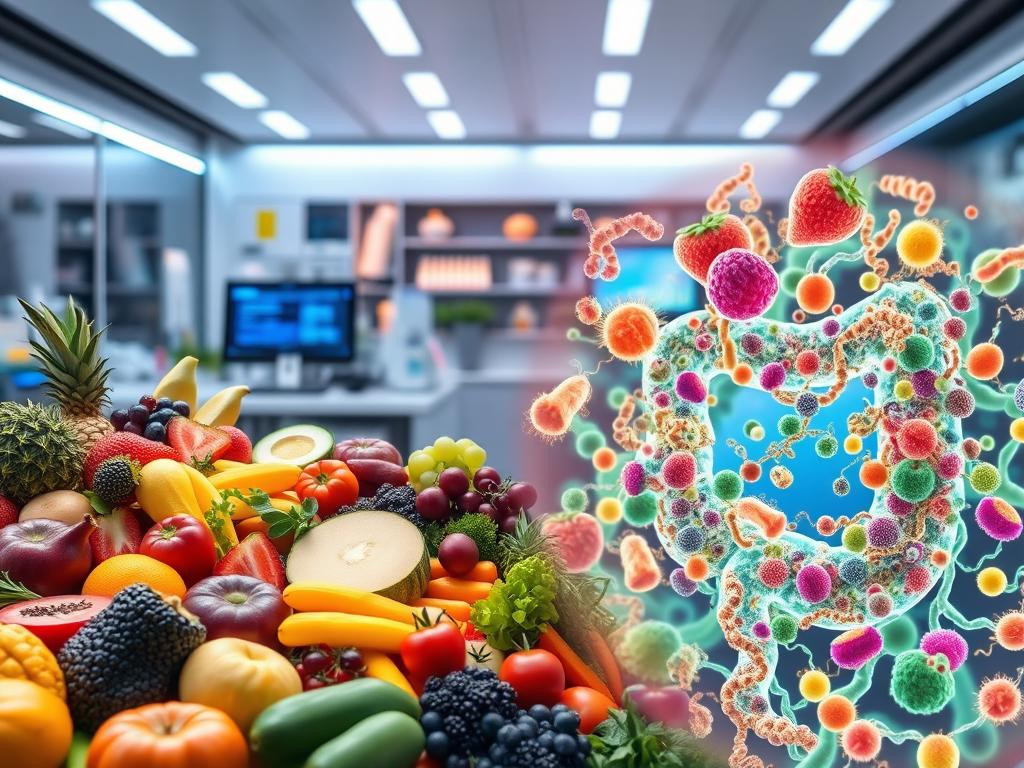
New discoveries in the gut microbiome are changing medicine, mainly in nutrition. Gut microbiome breakthroughs mean we can now make personalized nutrition strategies and health dietary customization better than before. This is helping prevent and manage diseases.
The Influence of Microbiome on Health
Studies on the gut microbiome show it greatly affects our health. It impacts digestion and our immune system. This knowledge leads to new ways to make diets better for each person.
Tailored Diets for Individual Needs
Using gut microbiome breakthroughs in diet planning is key. Personalized nutrition strategies look at each person’s microbiome to create the best diet. This approach can improve digestion, metabolism, and fight off diseases.
Advances in Telemedicine and Remote Monitoring
Telemedicine and remote patient monitoring have changed healthcare a lot. They help more people get the care they need, even in hard-to-reach places. Now, tools for remote monitoring make sure everyone gets good care, no matter where they are.
Telemedicine makes diagnosing and treating easier. It also helps people with long-term illnesses get better care at home. This shows how important it is to make healthcare more about the patient.
Home health monitoring tools are key to this change. They let patients keep an eye on their health closely. This helps catch problems early, which can lower hospital costs and keep people healthier.
- Improved access: Medical services reach more places.
- Enhanced convenience: Patients manage health at home.
- Cost-effectiveness: Fewer hospital stays and readmissions.
As these technologies improve, they will change how we get healthcare. They make care more available, efficient, and focused on the patient. These tools are essential for today’s healthcare and will shape the future of medical care.
Future Trends and Challenges in Medicine
Medicine is moving forward fast, blending new tech with care for people. Recent advances are opening up new paths in future medical trends. But, they also bring healthcare integration challenges.
AI, telemedicine, and gene editing are becoming part of everyday care. But, adding these to our health systems is complex. We must watch over ethics, protect patient data, and make sure care is the same everywhere.
Medical progress is moving towards treatments made just for you, using data to predict health, and more care outside hospitals. These changes are big steps forward for health. Yet, they also show we must tackle health gaps.
Health gaps are real, with some groups getting worse care because of money. Fixing this is as important as the new tech. We need to make sure everyone gets the best care, no matter who they are.
The future of healthcare is about finding a balance. We must use tech to help everyone, not just some. Success could make life better for many, improving health worldwide.